
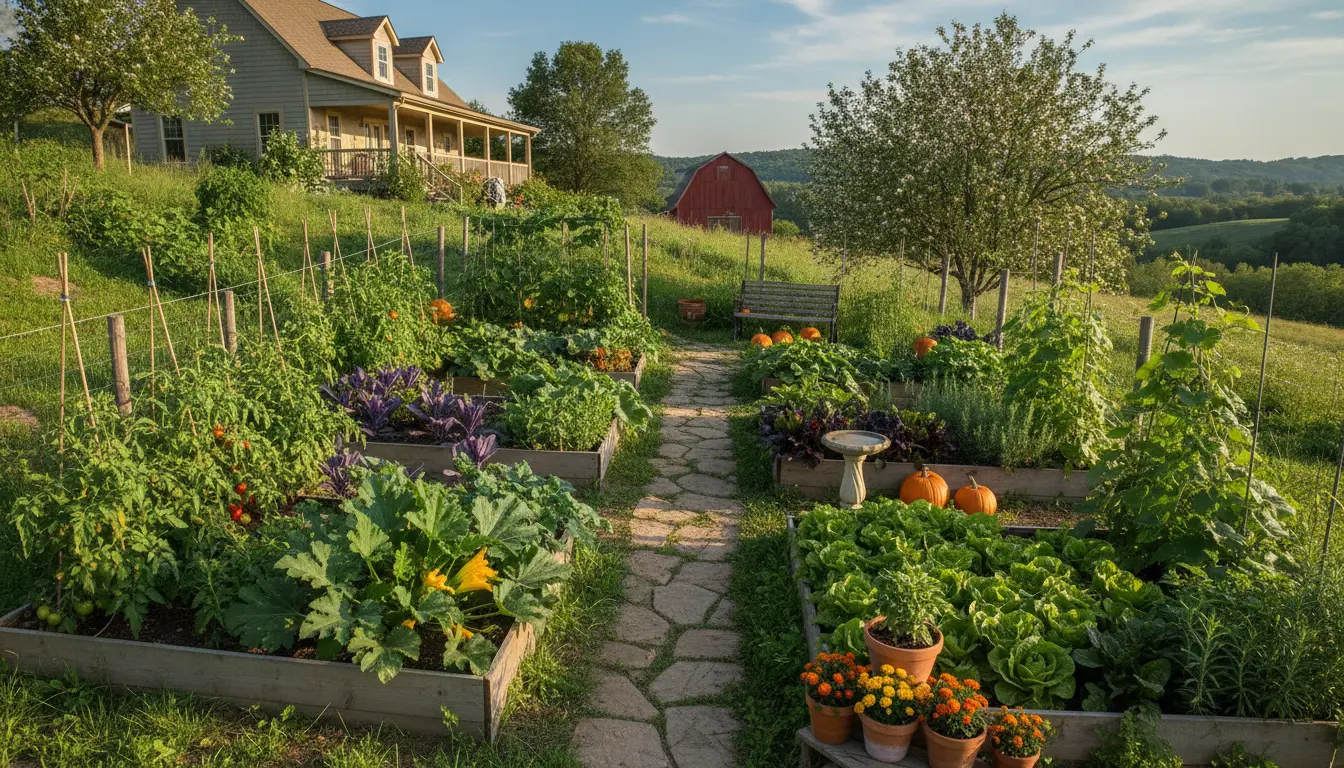
Starting a small vegetable garden is an achievable project for any homeowner or renter with a sunny patch or balcony. This guide gives practical steps you can follow, with clear actions and examples for fast success.
Plan Your Small Vegetable Garden
Before you dig, plan the size, location, and goals for your garden. Decide whether you want a raised bed, containers, or an in-ground plot based on space and budget.
Keep the plan simple: pick 4–6 vegetables you eat often and that match your climate and season. This reduces waste and learning curve.
Choose the Right Location
Most vegetables need at least 6 hours of direct sun. Observe light patterns for a few days to identify the best spot. If you have less sun, choose leafy greens and herbs that tolerate partial shade.
Also consider access to water and protection from strong wind or pets.
Prepare Soil and Containers
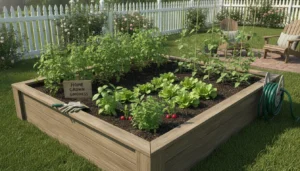
Healthy soil is the foundation of a productive small vegetable garden. For raised beds and containers use a quality mix; for in-ground beds improve native soil with compost.
- Raised beds: Use a mix of topsoil, compost, and well-draining material.
- Containers: Choose a potting mix with good moisture retention and drainage.
- In-ground: Add 2–3 inches of compost and dig it into the top 6–8 inches.
Soil Testing and Amendments
Test soil pH if possible. Most vegetables prefer pH 6.0–7.0. Adjust pH with lime (to raise) or sulfur (to lower) as recommended by test results.
Add slow-release organic fertilizer or balanced granular fertilizer at planting to give seedlings a steady nutrient supply.
Pick Plants and Planting Schedule
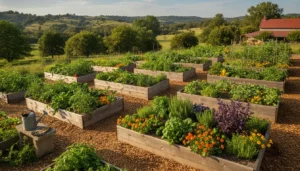
Select vegetables that match your season: cool-season crops (lettuce, peas, broccoli) in spring/fall, warm-season crops (tomatoes, peppers, beans) in late spring to summer.
Start with transplants for tomatoes and peppers to save time. Direct-sow seeds for beans, carrots, and radishes where appropriate.
Sample Planting Plan for a Small Garden
- Spring (cool): Lettuce, spinach, radishes, peas.
- Summer (warm): Tomatoes, peppers, bush beans, basil.
- Fall (cool): Kale, carrots, beets, garlic (plant in fall for harvest next year).
Watering, Mulching, and Maintenance
Consistent watering is critical for steady growth and good yields. Water deeply 2–3 times per week depending on weather and soil type.
Mulch around plants to conserve moisture, suppress weeds, and regulate soil temperature.
Pest and Disease Management
Monitor plants weekly. Remove damaged leaves and use physical barriers like row covers to protect young plants. Encourage beneficial insects by planting flowers and herbs nearby.
Use organic or targeted controls when necessary: insecticidal soap for soft-bodied pests, diatomaceous earth for slugs, and copper or sulfur products for some fungal issues.
Harvesting and Succession Planting
Harvest vegetables when mature but before they decline. Frequent harvesting can extend the productive period for many crops like beans and zucchini.
Practice succession planting: after a quick crop like radishes is harvested, sow another round or replace it with a warm-season crop to keep beds productive.
Interplanting basil with tomatoes can improve tomato flavor and help deter some pests. Companion planting also maximizes space in small gardens.
Tools and Supplies for a Small Vegetable Garden
- Hand trowel and fork for planting and turning soil.
- Watering can or hose with adjustable nozzle for gentle deep watering.
- Mulch (straw, wood chips) and compost for soil health.
- Stakes, cages, or trellises for support on vining crops.
Small Real-World Case Study
Case study: Maria converted a 4×8 foot raised bed on her apartment patio into a productive kitchen garden. She planted tomatoes, basil, leaf lettuce, and bush beans.
After preparing the bed with compost and using a simple drip irrigation line, Maria harvested fresh salad greens within 30 days and steady tomatoes by week 10. Her small investment yielded vegetables through the season and reduced grocery lettuce purchases by half.
Troubleshooting Common Problems
If seedlings stall, check light and soil moisture first. Overwatering and poor light are common causes of weak growth.
If yields are low, reassess soil fertility and plant spacing. Crowded plants compete and produce less.
Quick Checklist Before You Start
- Sunlight: Minimum 6 hours daily for most vegetables.
- Soil: Add compost or use quality container mix.
- Water: Ensure easy access and plan a schedule.
- Plants: Choose 4–6 vegetables suited to your season.
- Tools: Basic hand tools and supports for plants.
With simple planning and consistent care, a small vegetable garden can supply fresh produce, save money, and offer a satisfying hobby. Start small, learn from each season, and expand as your confidence grows.