
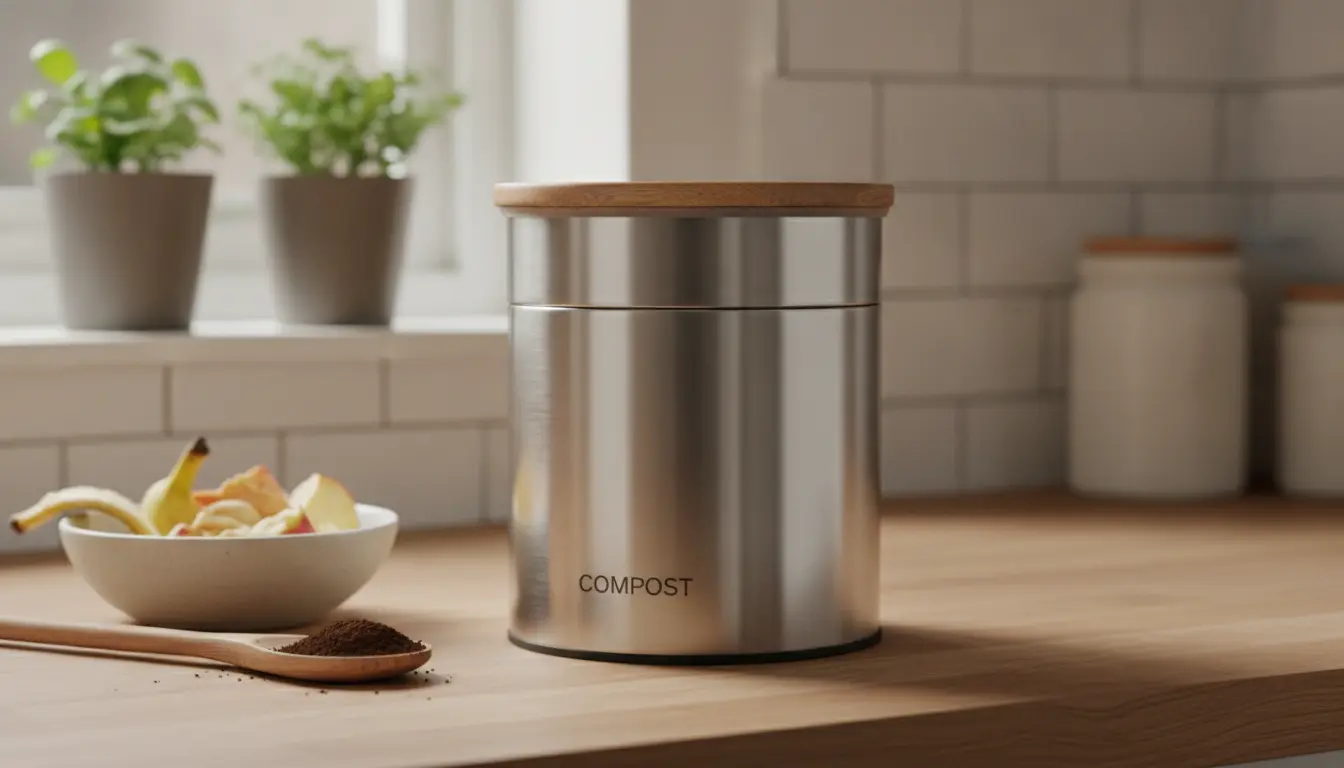
Home composting turns kitchen and yard waste into useful soil amendment. This guide gives clear, actionable steps for setting up a compost system, keeping it balanced, and using finished compost in the garden.
Why Home Composting Matters
Home composting reduces landfill waste and lowers methane emissions from anaerobic decomposition. It also returns nutrients to soil, improving structure and water retention.
Starting composting at home is low cost and scalable. Even small apartments can compost effectively with the right method.
Choose a Home Composting Method
Pick a method that fits your space, time, and tolerance for maintenance. Common options include outdoor bins, tumblers, and indoor systems such as bokashi or worm bins.
Outdoor Bins for Home Composting
Outdoor bins are simple and low-effort. They work best for people with yard space and larger volumes of green waste.
- Pros: Low maintenance, good for yard trimmings.
- Cons: Slower, may attract pests if not managed.
Compost Tumblers

Tumblers make turning easy and speed up decomposition. They are suitable for homeowners who want faster results and clean handling.
- Pros: Faster breakdown, less odor.
- Cons: Limited capacity, higher upfront cost.
Indoor Home Composting Options
Indoor systems are ideal for apartments and small spaces. Bokashi is fermentation-based and accepts cooked foods. Vermicomposting uses worms to process food scraps into castings.
- Pros: Works indoors, small footprint.
- Cons: Requires monitoring temperature and moisture.
Materials for Successful Home Composting
Compost needs a balance of carbon (browns) and nitrogen (greens). Aim for a rough 25–30:1 carbon-to-nitrogen ratio by weight.
Green Materials
Green materials are high in nitrogen and include kitchen scraps, fresh grass clippings, and vegetable trimmings. Chop larger pieces to speed decomposition.
Brown Materials
Brown materials supply carbon. Use dry leaves, shredded paper, straw, and small wood chips. Browns improve aeration and reduce odor.
Practical Steps to Start Home Composting
Follow these steps to set up a simple, working compost system in weeks rather than months.
- Choose a location with moderate shade and good drainage for outdoor bins.
- Select a container type (bin, tumbler, or indoor system).
- Add a 3–4 inch base layer of brown materials to help airflow.
- Alternate thin layers of greens and browns. Keep greens moist but not soggy.
- Turn or aerate weekly for faster composting, or let the pile sit for passive composting.
Troubleshooting Common Home Composting Problems
Problems are often caused by imbalance of moisture, odors, or lack of airflow. Quick fixes usually restore healthy decomposition.
Smelly Compost
Bad smells usually mean too much nitrogen or poor aeration. Add more brown materials and turn the pile to introduce oxygen.
Pile Is Too Dry
Dry piles slow decomposition. Add water slowly and mix in green materials. Aim for a damp sponge consistency.
Fruit Flies or Pests
Cover fresh food scraps with brown materials or soil. Use closed compost bins or keep indoor systems sealed to reduce pests.
When Is Compost Ready?
Finished compost is dark, crumbly, and smells earthy. Particle sizes should be small and uniform. Typical timelines range from 2 months (hot method) to 1 year (cold method).
Use finished compost as a soil amendment, potting mix ingredient, or mulch top dressing.
Small Real-World Case Study
Case Study: A two-person apartment used a 10-liter worm bin for 9 months. They added kitchen scraps and shredded cardboard. After six months, they harvested about 15 liters of rich worm castings.
Results: Houseplants showed improved leaf color and faster growth. The household reduced kitchen waste pickup by nearly 40% over the trial period.
Tips to Keep Home Composting Simple
Maintain consistency and keep materials balanced. Small daily habits prevent larger problems.
- Chop or shred large scraps to speed decomposition.
- Keep a small countertop bucket with a tight lid for scraps.
- Freeze meat or fish scraps until you have enough to bury in the outdoor pile if you use a bin that accepts them.
- Monitor moisture regularly and turn the pile when it compacts.
End Note: Start Small and Adjust
Begin with a method that matches your living situation and scale up as you learn. Home composting is practical and becomes easier with routine.
With basic attention to balance, moisture, and aeration, almost anyone can turn organic waste into a valuable resource for soil health.