
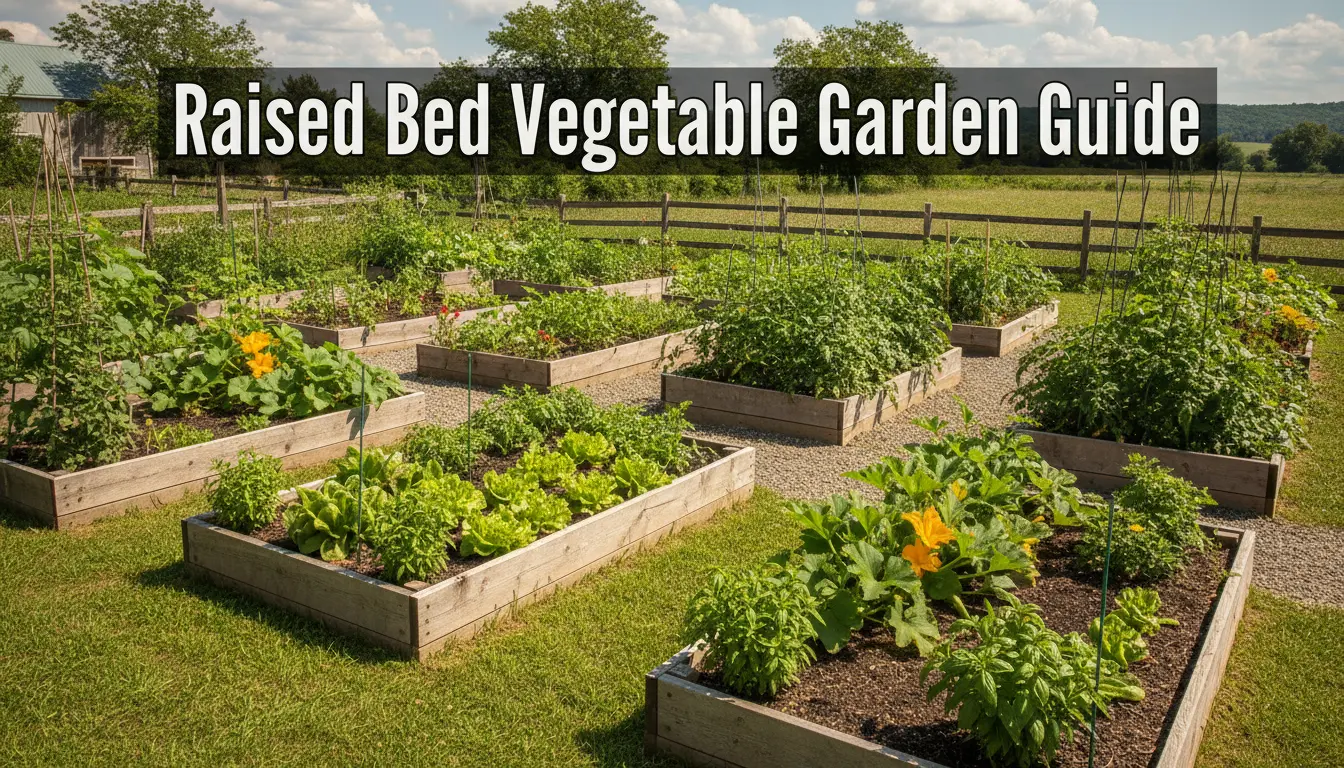
Why Choose a Raised Bed Vegetable Garden
Raised bed vegetable gardens improve drainage, warm faster in spring, and make soil management easier. They are ideal for small yards, poor native soil, or gardeners who prefer lower maintenance beds.
Choosing raised beds helps control weeds, pests, and compaction while maximizing planting density and yield per square foot.
Planning Your Raised Bed Vegetable Garden
Start by selecting a location with full sun—6 to 8 hours daily is best for most vegetables. Ensure easy access for watering and harvesting.
Decide on bed size and orientation. Common sizes are 4×4, 4×8, or 3×6 feet; keep beds narrow enough to reach the center from either side.
Site and layout considerations for raised bed vegetable garden
- Sun: South-facing is ideal in the northern hemisphere.
- Water access: Place beds near a hose or drip system.
- Pathways: Leave 18–36 inch aisles for comfortable access.
- Soil depth: Aim for 12–18 inches of good planting mix.
Building the Raised Bed
Use rot-resistant wood, reclaimed stone, or galvanized steel. Avoid treated lumber that may leach chemicals into edible crops.
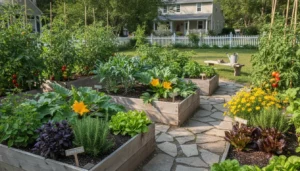
Assemble a frame, level it, and optionally line the bottom with cardboard to suppress weeds. Good drainage and structural stability matter more than fancy materials.
Materials and soil mix for a raised bed vegetable garden
- Frame materials: cedar, redwood, composite, or metal.
- Base: landscape fabric or cardboard over grass to inhibit weeds.
- Planting mix: 40% topsoil, 40% compost, 20% coarse sand or coconut coir for structure.
- Amendments: rock phosphate, bone meal, or balanced organic fertilizer as needed.
Planting and Crop Selection
Choose crops suited to your climate and season. Fast-growing greens, radishes, and herbs are great for early success.
Practice succession planting and intercropping to maximize yields from a small raised bed vegetable garden.
Vegetables that work well in raised bed gardens
- Leafy greens: lettuce, spinach, swiss chard.
- Root crops: carrots, beets, radishes (use deep, loose mix).
- Fruiting: tomatoes, peppers, bush beans (support when needed).
- Herbs: basil, parsley, cilantro.
Watering and Maintenance

Install a drip irrigation system or soaker hose to deliver water directly to roots and reduce evaporation. Water consistently—most beds need 1–1.5 inches per week depending on weather.
Mulch with straw or shredded leaves to keep soil cool and reduce watering frequency. Monitor for pests and diseases and remove affected leaves promptly.
Seasonal tasks for a raised bed vegetable garden
- Spring: fill beds, amend soil, sow cool-season crops.
- Summer: mulch, stake tall plants, and monitor irrigation.
- Fall: clear spent plants, add compost, plant cover crops if desired.
Raised beds can produce vegetables up to 50% faster than in-ground rows because the soil warms earlier and drains better.
Common Problems and Quick Fixes
Yellow leaves often point to nutrient deficiency or overwatering. Test soil pH if plants struggle despite good care.
Slugs and snails can be deterred with diatomaceous earth or beer traps. Use row covers early in the season to protect seedlings from birds and insects.
Small Case Study: Lisa’s 4×8 Raised Bed Success
Lisa converted a 4×8 patch of poor lawn into a raised bed garden. She used a cedar frame, filled it with a homemade mix, and planted alternating rows of tomatoes, basil, and lettuce.
By midsummer she harvested enough tomatoes for weekly salads and preserved extra salsa. Her yields increased within the first season after improving drainage and switching to drip irrigation.
Cost and Time Estimates
Initial setup for one 4×8 raised bed typically costs $80–$300 depending on materials and soil source. Expect to spend a weekend assembling and filling the bed.
Ongoing time is modest: 1–3 hours per week during peak season for watering, harvesting, and light maintenance.
Simple Checklist to Start Your Raised Bed Vegetable Garden
- Choose location with full sun
- Select bed size and materials
- Prepare a quality planting mix
- Install watering system or plan manual schedule
- Plant season-appropriate vegetables and mulch
- Monitor and amend soil annually with compost
Final Tips for a Productive Raised Bed Vegetable Garden
Start small and expand as you gain confidence. Keep records of plant varieties and planting dates to refine timing in future seasons.
Focus on soil health: regular additions of compost and organic matter are the most reliable path to better yields in a raised bed vegetable garden.