
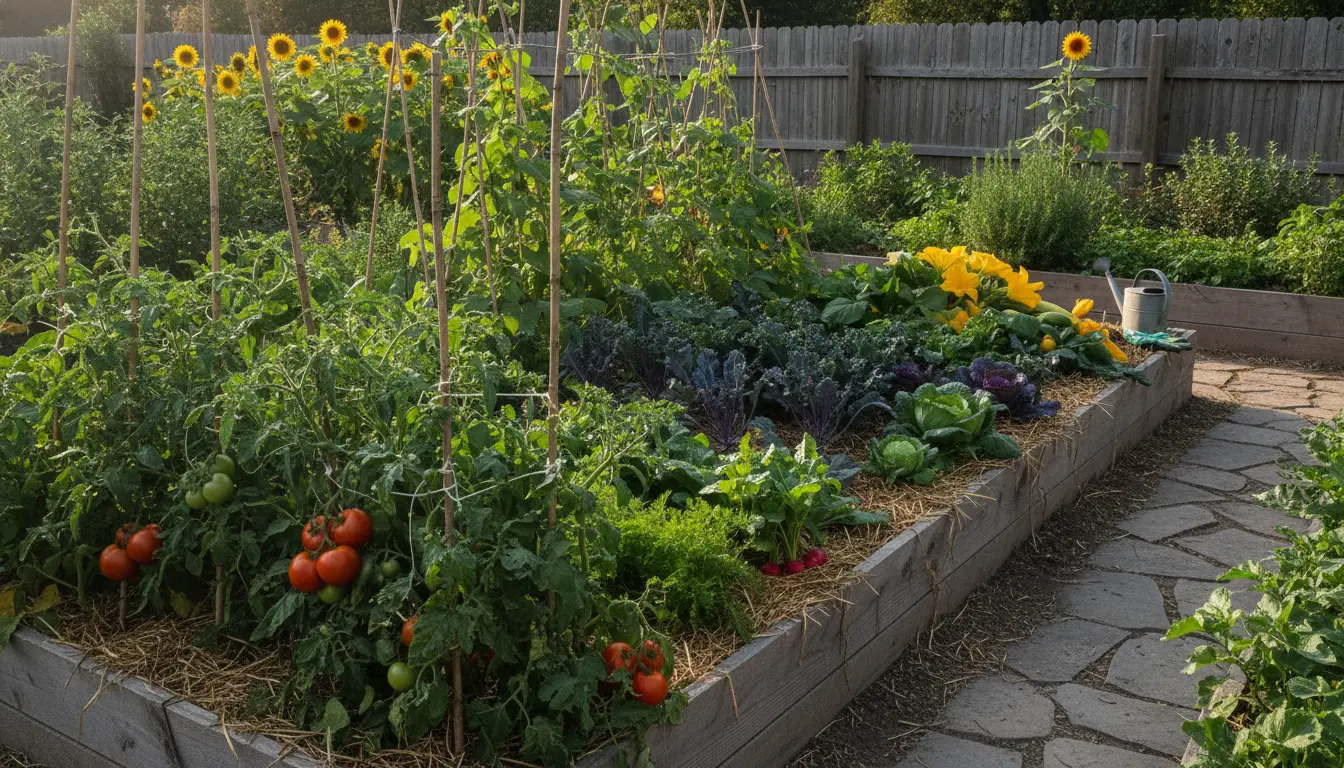
Start a Vegetable Garden: First Steps
Starting a vegetable garden is simple when you break it into clear steps. This guide shows practical actions you can take this weekend to get growing.
You do not need large land or fancy tools. With basic planning and consistent care, you can produce fresh vegetables at home.
Choose a Site to Start a Vegetable Garden
Pick a location that receives at least six hours of direct sunlight daily. Most vegetables need full sun to produce well.
Consider access to water and ease of movement. If ground space isn’t available, plan for containers or raised beds.
Light and Space for Your Vegetable Garden
Observe the site at different times of day to check shade patterns. Morning sun is particularly beneficial for many crops.
Measure the space. A small 4×4 foot bed can grow a surprising amount of food and is beginner-friendly.
Prepare Soil to Start a Vegetable Garden
Soil quality is the foundation of success. Test for drainage and loosen compacted earth before planting.
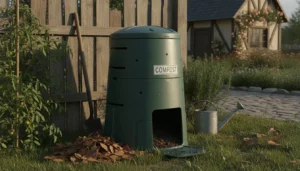
Add organic matter like compost to improve structure and nutrients. Aim for a dark, crumbly texture that retains moisture but drains well.
Soil Prep Steps
- Remove weeds and debris from the bed area.
- Mix 2–3 inches of compost into the top 6–8 inches of soil.
- Adjust pH only if a test indicates a problem; many vegetables prefer pH 6.0–7.0.
Choose Vegetables to Start a Vegetable Garden
Pick easy, fast-yielding crops for your first season. Focus on vegetables that match your climate and season.
Good beginner plants include lettuce, radishes, spinach, bush beans, tomatoes, and herbs like basil.
Planting Methods and Timing
Decide between direct seeding and starting transplants. Root crops like carrots are seeded directly, while tomatoes usually perform better as transplants.
Follow your local frost dates to schedule planting. Use seed packets or local extension resources for timing guidance.
Watering and Feeding in a Vegetable Garden
Consistent moisture is key. Water deeply and less often to encourage strong root development.
Mulch reduces evaporation and suppresses weeds. Use 2–3 inches of organic mulch around plants after they are established.
Fertilizer Basics
Use a balanced organic fertilizer if soil tests show low nutrients. Overfertilizing, especially with nitrogen, can reduce fruiting.
Side-dress heavy feeders like tomatoes with compost or a light fertilizer mid-season.
Maintenance Tips to Keep Your Vegetable Garden Productive
Routine tasks make the difference between a struggling patch and a productive garden. Spend 15–30 minutes several times a week checking plants.
Key tasks include weeding, staking tall plants, pruning, and checking for pests or disease early.
- Weed promptly to reduce competition for water and nutrients.
- Stake or cage tomatoes and pole beans to improve air flow and harvest ease.
- Rotate crops annually to reduce disease buildup in the soil.
Start a Vegetable Garden in Containers or Small Spaces
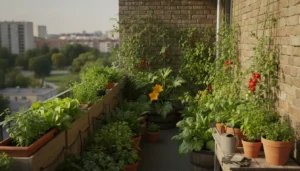
Containers are an excellent option for balconies and patios. Use high-quality potting mix and ensure drainage holes are clear.
Choose compact varieties labeled bush, patio, or container to maximize yields in limited space.
Container Tips
- Use pots at least 12 inches deep for tomatoes and peppers.
- Water containers more frequently; they dry faster than ground beds.
- Group pots to create a microclimate that retains humidity.
Common Problems and Simple Fixes
Pests and diseases are part of gardening. Early detection and targeted interventions reduce losses.
Use physical barriers, hand-picking, and organic sprays as first options. Healthy soil and proper spacing reduce many issues.
Quick Troubleshooting
- Yellowing leaves: check watering and soil fertility.
- Stunted growth: inspect roots for compaction or poor drainage.
- Chewed leaves: look for slugs, caterpillars, or snails and remove them manually.
Interplanting quick crops like radishes or lettuce between slower-growing vegetables can increase yields and reduce weeds while the main crop matures.
Small Case Study: One Balcony, Big Salad
Emma, a city renter, started a vegetable garden on a 6-foot balcony in spring. She used three 12-inch pots for tomatoes and two long troughs for lettuce and herbs.
By following a watering schedule and using organic potting mix, she harvested lettuce within six weeks and two tomato plants produced nearly 20 medium tomatoes each that summer.
This example shows that even limited space can supply fresh produce with consistent care and proper plant choices.
Simple Planting Plan to Start a Vegetable Garden This Weekend
- Choose a sunny site or containers and gather soil or potting mix.
- Prepare beds or fill pots with compost-rich mix.
- Select 3–5 easy crops (e.g., lettuce, radish, bush beans, tomato, basil).
- Plant seeds or transplants according to packet directions.
- Mulch, water deeply, and check plants regularly.
Starting a vegetable garden is an attainable project. Focus on simple, repeatable steps: site selection, soil preparation, choosing the right plants, and consistent care.
With planning and patience you’ll soon harvest fresh vegetables and build experience for larger or more diverse plantings next season.