
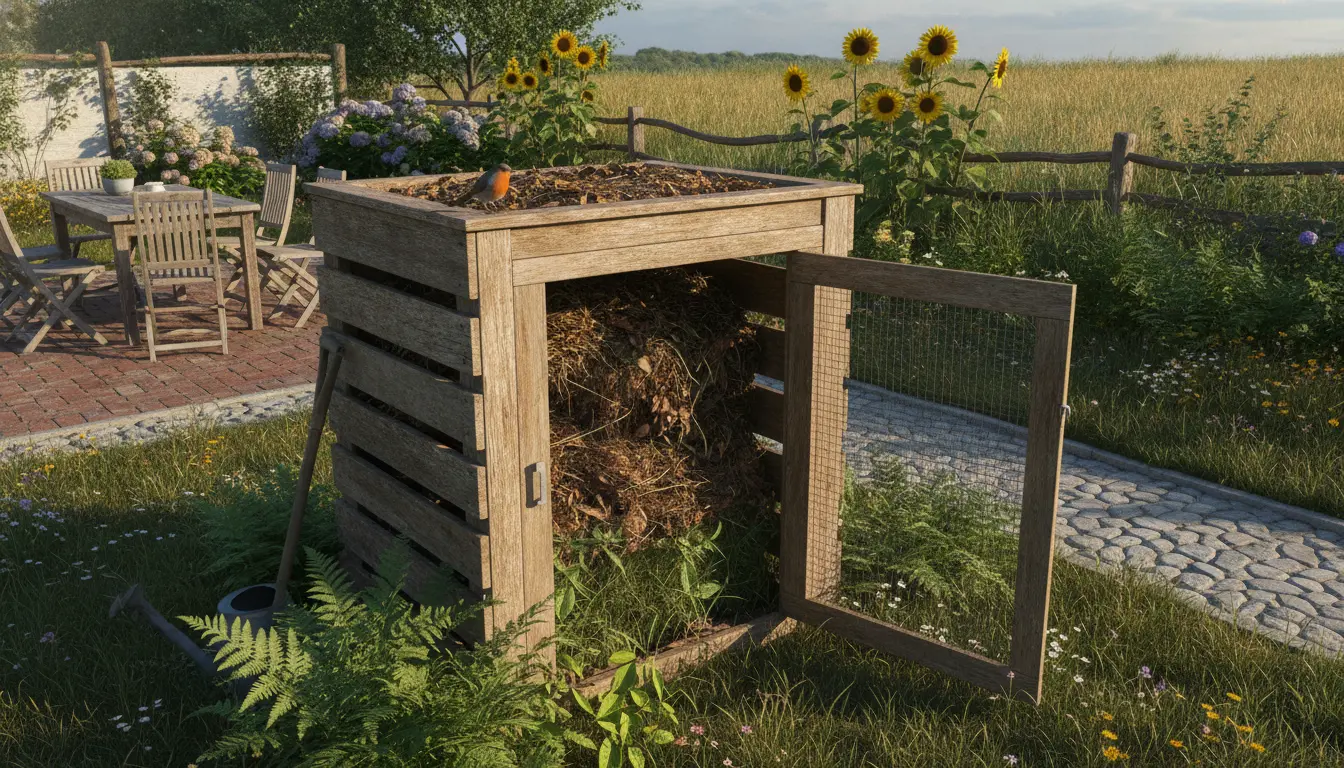
Home Composting for Beginners: Getting Started
Home composting turns kitchen and yard waste into nutrient-rich soil. It’s practical, reduces landfill waste, and supports healthier gardens.
This guide gives clear steps for beginners: which materials to use, how to choose a bin, routine maintenance, and how to fix common problems.
Why Choose Home Composting
Composting lowers garbage volume and cuts methane emissions from landfills. It also returns nutrients to the soil, improving structure and moisture retention.
For beginners, small efforts yield visible results and fast rewards for potted plants or garden beds.
Essential Materials for Home Composting
Balance is the key: mix carbon-rich “browns” and nitrogen-rich “greens”. Aim for roughly a 3:1 ratio of browns to greens by volume.
- Browns: dry leaves, shredded paper, cardboard, straw.
- Greens: fruit and vegetable scraps, coffee grounds, fresh grass clippings.
- Avoid: meat, dairy, oils, diseased plants, and pet waste.
Choosing a Compost Bin
Pick a bin that fits your space and patience level. Options include tumblers, open bins, and DIY piles.
Bin Options for Home Composting for Beginners
Tumblers speed up decomposition and reduce pests, making them beginner-friendly. Open bins are low-cost and work well for larger yards.
Consider aeration, drainage, and access for turning when selecting a bin.
Step-by-Step Composting Process
Follow these steps to build a healthy compost system that works reliably at home.
- Locate: Place the bin on soil in a partly shaded spot to allow drainage and organism access.
- Layer: Start with coarse browns for drainage, then alternate greens and browns in 2–4 inch layers.
- Moisture: Keep the pile damp like a wrung-out sponge. Add water in dry periods and cover in heavy rain.
- Aerate: Turn the pile every 1–2 weeks with a pitchfork or use a tumbler to mix materials and add oxygen.
- Wait: Decomposition can take 2–6 months depending on materials, size, and how often you turn it.
Troubleshooting Common Issues
Beginners often face odor, pests, or slow decomposition. Fixes are usually simple and fast.
- Bad smells: Add more browns and turn the pile to increase aeration.
- Pests: Avoid meat and greasy foods. Use sealed bins or bury food scraps in the center.
- Slow composting: Increase surface area by chopping materials, maintain moisture, and add nitrogen-rich greens.
Using Finished Compost
Finished compost is dark, crumbly, and earthy-smelling. Sift or cure it for a few weeks before use if you want a finer texture.
Use finished compost as a soil amendment, mulch layer, or potting mix ingredient. A thin layer on beds will slowly release nutrients and improve soil structure.
Tools and Supplies for Home Composting for Beginners
A few inexpensive tools make composting easier and cleaner.
- Turning tool or pitchfork
- Kitchen scrap container with tight lid
- Compost thermometer (optional) to monitor temperature
- Shredder or scissors for chopping large pieces
Small Real-World Example
Case study: A small urban household of two started a 60-liter tumbler on a balcony. They added kitchen scraps and shredded cardboard with occasional grass clippings.
Within four months they harvested dark compost used for potted herbs. Monthly turning and balanced browns and greens prevented odors and pests.
Tips to Keep Composting Simple
- Collect scraps daily to cut odors and encourage habit formation.
- Chop or shred bulky items to speed breakdown.
- Keep a small stash of dry browns (paper, leaves) to balance greens quickly.
- Start small and expand once you’re comfortable with the process.
Composting can divert up to 30% of household waste from landfill. Even apartment dwellers can compost using tumblers, worm bins, or community gardens.
Final Checklist for Home Composting for Beginners
- Choose a bin that fits your space and pest concerns.
- Balance greens and browns and maintain moisture like a wrung sponge.
- Turn the pile regularly to add oxygen and speed decomposition.
- Monitor for pests and odors and adjust materials accordingly.
Home composting for beginners is a low-cost, high-value habit that improves soil health and reduces waste. Start with small steps, learn as you go, and use finished compost to nourish your plants and garden.