
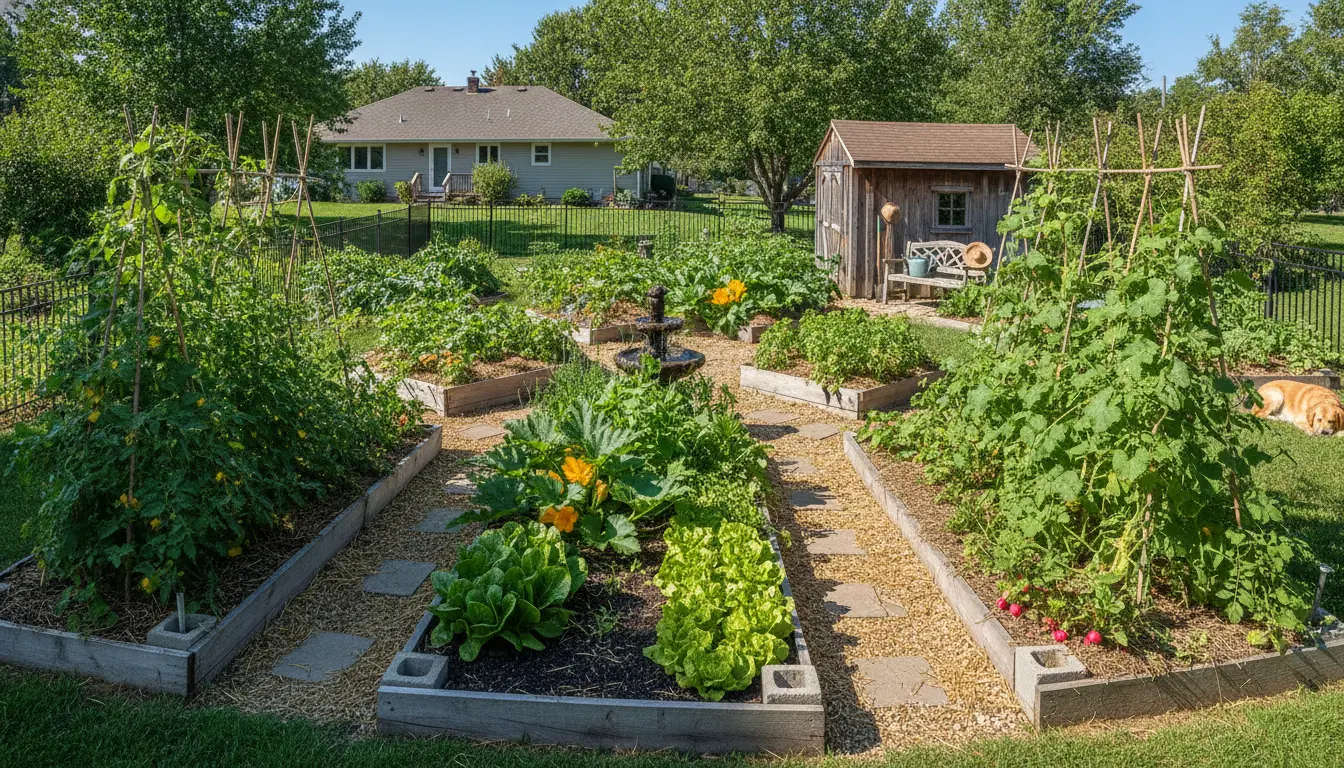
Starting a vegetable garden is a practical way to grow fresh food, save money, and enjoy time outdoors. This guide explains clear steps to start a vegetable garden, with planning, soil preparation, planting, and basic care.
Why start a vegetable garden
A vegetable garden gives you control over what you eat and how it is grown. Homegrown vegetables often taste better and can be more nutritious than store-bought options.
Gardening also reduces food miles and provides a rewarding hobby that connects you to the seasons. For beginners, simple planning helps avoid common mistakes.
Planning to start a vegetable garden
Good planning sets you up for success. Begin by picking a location with 6–8 hours of sunlight, access to water, and decent drainage.
Decide the garden type based on space: in-ground beds, raised beds, or containers. Each option suits different yards and apartment situations.
Choose what to grow when you start a vegetable garden
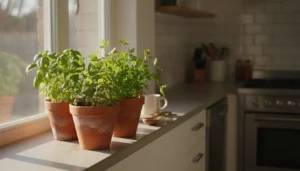
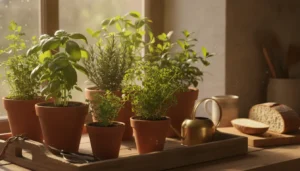
Select easy-to-grow crops first. Tomatoes, lettuce, radishes, green beans, and herbs are forgiving choices for beginners.
Consider your climate and season. Plant cool-season crops like lettuce and peas in early spring and fall, and warm-season crops like tomatoes in late spring.
Preparing soil to start a vegetable garden
Healthy soil is the foundation of a productive garden. Test soil pH if possible; most vegetables prefer a pH between 6.0 and 7.0.
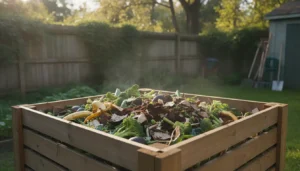
Improve soil with organic matter. Add 2–3 inches of compost and work it into the top 6–8 inches of soil to boost fertility and structure.
Raised beds and containers to start a vegetable garden
Raised beds warm faster and drain well, making planting easier. Use a mix of topsoil and compost for beds.
Containers are ideal for balconies or patios. Choose pots with drainage holes and use a lightweight potting mix designed for vegetables.
Planting and care when you start a vegetable garden
Follow seed packet or plant tag directions for spacing and depth. Crowding plants can reduce yields and increase disease risk.
Water consistently, aiming for deep, infrequent watering rather than shallow daily sprinkles. Mulch helps retain moisture and suppress weeds.
Fertilizing and feeding your garden
Use a balanced organic fertilizer at planting and during the growing season as needed. Slow-release formulas reduce the risk of overfeeding.
Leafy greens need more nitrogen, while fruiting crops like tomatoes benefit from phosphorus and potassium once they set fruit.
Common problems and simple solutions
Pests and diseases are common, but many issues can be managed with nonchemical methods. Inspect plants regularly to catch problems early.
- Slugs and snails: hand-pick at dusk or use beer traps.
- Aphids: spray with water or use insecticidal soap.
- Fungal disease: improve airflow, avoid overhead watering, and remove affected leaves.
Rotate crops yearly to reduce soil-borne diseases and nutrient depletion. Keep a garden log to track successes and problems.
Seasonal care and harvesting
Harvest regularly to encourage more production. Pick lettuce and herbs early in the morning for best flavor.
For perishable crops, harvest when ripe and store appropriately. Tomatoes can be ripened indoors if needed.
Many common vegetables, like radishes and lettuce, can mature in 30 days or less, making them ideal for quick success in a new garden.
Start a vegetable garden in small spaces
Even small patios or balconies can host productive gardens. Use vertical supports for vining crops and grow herbs in window boxes.
Focus on high-value crops for your space, such as herbs, cherry tomatoes, and salad greens.
Example planting schedule to start a vegetable garden
Spring (after last frost): sow peas, lettuce, radishes, and plant seedlings of tomatoes and peppers indoors earlier.
Summer: keep watering, stake tall plants, and harvest continuously. Sow a second round of fast crops like bush beans.
Fall: plant cold-tolerant greens and root vegetables for late-season harvests.
Small case study: A balcony start a vegetable garden
Maria, a city renter, converted a 6×3 foot balcony into a vegetable garden. She used three 12-inch containers and a small raised bed box.
She planted cherry tomatoes, basil, and leaf lettuce. By selecting compact varieties and using a quality potting mix, she harvested fresh salad greens within five weeks.
The balcony produced enough herbs and tomatoes for weekly use, proving container gardening works well for limited space.
Quick checklist to start a vegetable garden
- Choose a sunny location with water access.
- Decide on beds, raised beds, or containers.
- Test and amend soil with compost.
- Select easy crops suited to your season.
- Plant at recommended depths and spacing.
- Water deeply and mulch to conserve moisture.
- Monitor pests and harvest regularly.
Starting a vegetable garden is manageable with small steps and good planning. Focus on soil health, consistent watering, and choosing the right crops for your climate.
With patience and simple care, you can enjoy fresh, homegrown vegetables from your garden within a single season.