
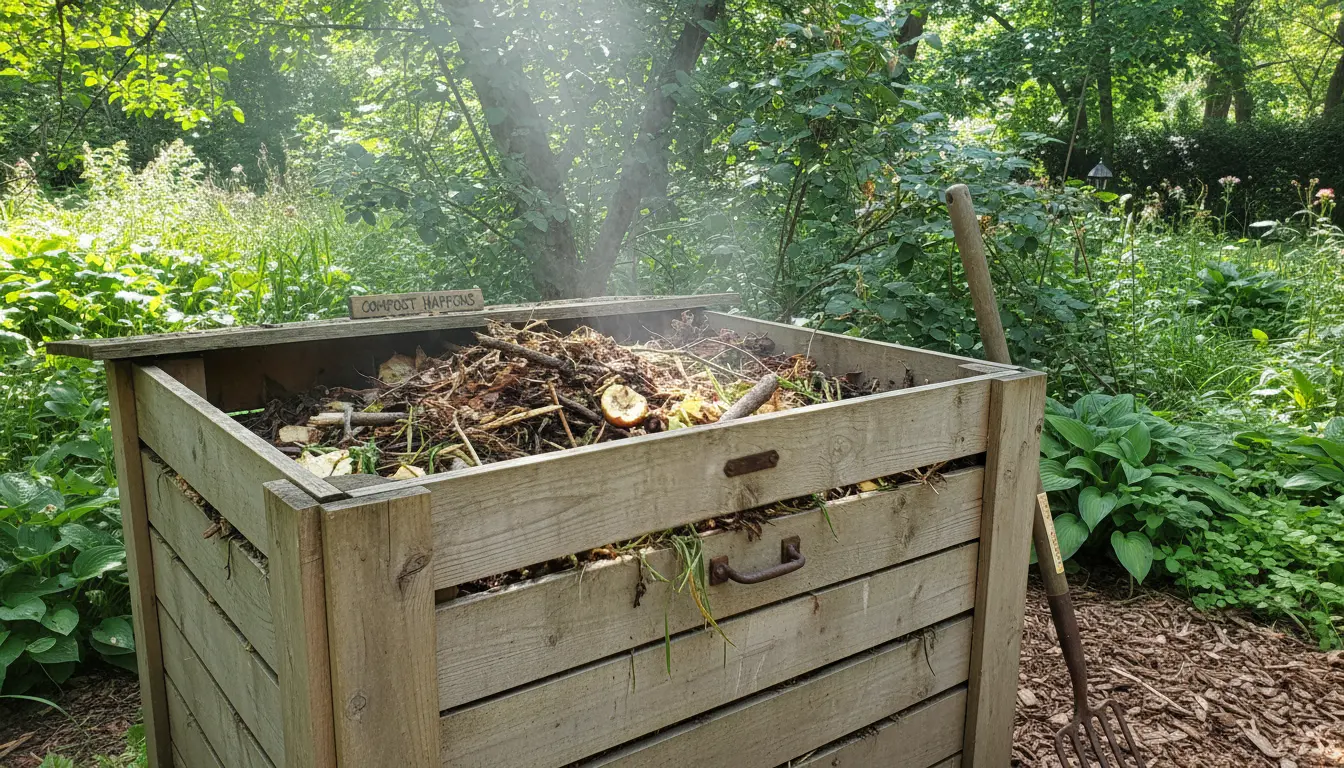
Overview of Home Composting
Home composting turns kitchen scraps and yard waste into nutrient-rich soil. It reduces household waste and improves garden health without complicated tools.
This guide gives clear, practical steps to start home composting and keep it working reliably. Read each section and use the checklist to stay on track.
Why Home Composting Matters
Composting cuts the volume of organic waste sent to landfills and lowers methane emissions. It also produces a free soil amendment that supports plant growth.
Home composting is low cost and flexible. You can manage compost in small bins, tumblers, or simple piles depending on space and needs.
How to Start Home Composting
Choose a site with partial shade and good drainage. A level spot near your garden or garage makes turning and using finished compost easier.
Select a container or method that fits your lifestyle. Beginners often prefer a compact bin or tumbler for easier management and fewer pests.
Choosing a Compost Bin for Home Composting
- Compost Tumbler: Fast turning, tidy, good for small yards.
- Stationary Bin: Simple, cheaper, can handle larger volumes.
- Open Pile: Best for large gardens but needs more space and control.
Home Composting Materials
Balance ‘greens’ (nitrogen) and ‘browns’ (carbon) for steady decomposition. Aim for roughly 1 part greens to 3 parts browns by volume.
- Greens: Vegetable scraps, fruit peels, coffee grounds, fresh grass clippings.
- Browns: Dry leaves, shredded paper, cardboard, small wood chips.
Daily and Weekly Tasks for Home Composting
Maintain moisture, aeration, and correct materials to keep microbes active. A few minutes each week prevents common problems.
- Turn or mix the pile weekly to add oxygen.
- Moisture check: Compost should feel like a wrung-out sponge.
- Chop or shred large items to speed breakdown.
Managing Moisture and Air in Home Composting
Too dry and microbes slow down; too wet and the pile becomes anaerobic and smelly. Adjust with water or more browns as needed.
Air is vital. Turning the pile every 1–2 weeks prevents foul smells and speeds up decomposition.
Troubleshooting Common Home Composting Problems
Smell, pests, and slow decomposition are common issues but easy to fix. Identify the cause then apply the right adjustment.
- Bad odor: Add browns and turn the pile to introduce air.
- Pests: Avoid meat, dairy, and oily foods; use a closed bin or bury food scraps.
- Slow breakdown: Chop materials finer and check moisture and temperature.
Well-managed home compost can break down organic waste into usable compost in 2 to 6 months. Regular turning and the right mix speed up the process.
Using Finished Compost
Finished compost is dark, crumbly, and smells earthy. Use it as a soil top dressing, mix into potting soil, or add to garden beds to improve structure and nutrients.
Apply a thin layer around plants or mix 20 to 30 percent compost into garden soil when planting for best results.
Small Real-World Case Study
Family Example: A three-person household began home composting in a 120‑liter tumbler. They collected kitchen scraps in a jar and emptied weekly into the tumbler.
After three months of weekly turning and balancing browns and greens, they produced enough compost to feed two raised beds. Their landfill waste dropped by about 50 percent.
Simple Starter Checklist for Home Composting
- Choose a bin type and location.
- Gather browns: leaves, shredded paper, cardboard.
- Collect greens: kitchen scraps, fresh clippings.
- Maintain moisture and aeration; turn every 1–2 weeks.
- Harvest finished compost when dark and crumbly.
Final Tips for Successful Home Composting
Start small and learn from one bin before expanding. Keep a small container with a tight lid in the kitchen to reduce smells and make collection easy.
Track your mix and routine for a few months. Small adjustments based on smell, moisture, and decomposition speed will lead to reliable compost production.
Home composting is an effective way to reduce waste and improve soil with simple, repeatable steps. With the right balance and routine, anyone can produce healthy compost at home.