
Why Home Composting Matters
Home composting turns kitchen scraps and yard waste into nutrient-rich material for gardens. It reduces household waste and improves soil structure without needing chemical fertilizers.
For beginners, composting is mainly about balancing materials, moisture, and time. This guide gives practical steps you can follow at home.
Choosing a Compost Method
Pick a method that fits your space and schedule. The most common options are backyard bins, tumblers, and worm composting for indoor use.
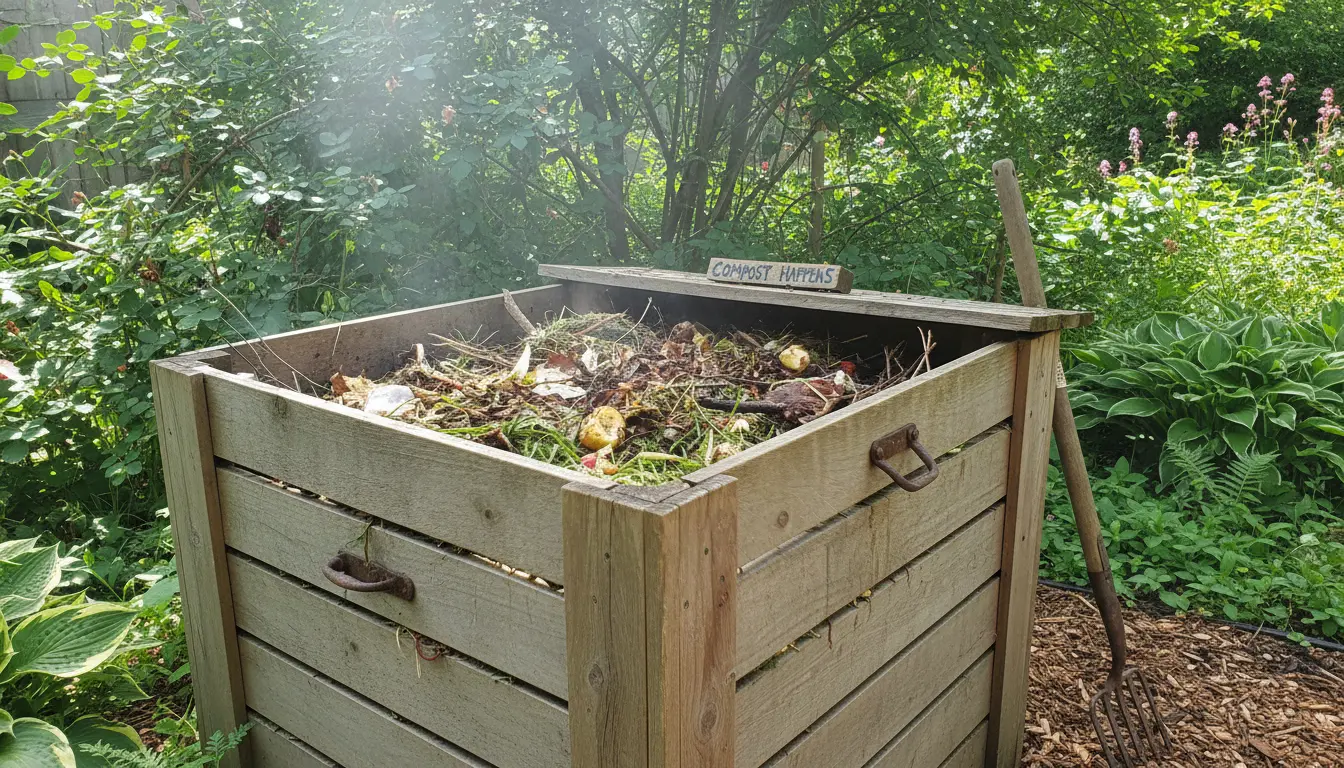
Backyard Bin
A stationary bin works well for yards and requires periodic turning. It is low-cost and suitable for vegetable scraps and yard clippings.
Compost Tumbler
Tumblers speed up decomposition by making turning easy. They are good for smaller gardens and help contain smells.
Worm Composting (Vermicomposting)
Worm bins are ideal for indoor composting and produce fast, rich castings. They require different management and use red worms rather than garden soil organisms.
What to Compost: Materials and Balance
Compost needs a mix of carbon-rich (browns) and nitrogen-rich (greens) materials. Aim for roughly a 3:1 ratio of browns to greens by volume.
- Browns: dried leaves, straw, shredded paper, cardboard
- Greens: fruit and vegetable scraps, coffee grounds, fresh grass clippings
- Avoid: meat, dairy, oily foods, diseased plants, pet waste
Step-by-Step: How to Start Home Composting
Follow these steps to build and maintain a healthy compost pile.
-
Choose Location
Place your bin in a partly shaded, well-drained spot. Easy access encourages regular use.
-
Layer Materials
Start with coarse browns like twigs for airflow, then add alternating layers of greens and browns. Each green layer should be covered by a thicker brown layer.
-
Moisten
Keep the pile damp like a wrung-out sponge. Too wet leads to smell; too dry slows decomposition.
-
Turn or Mix
Turn the pile every 1–2 weeks for faster breakdown. For tumblers, rotate according to manufacturer guidance.
-
Monitor Temperature
A hot pile (130–150°F / 55–65°C) breaks down materials quickly and kills many seeds and pathogens. Cooler piles take longer but still work.
Troubleshooting Common Problems
Simple fixes usually solve most compost issues. Check these common problems and remedies.
- Bad Smell: Add more browns and aerate the pile by turning it.
- Slow Decomposition: Chop materials smaller and increase greens for nitrogen.
- Pests: Bury food scraps under a layer of brown material and use a closed bin.
- Too Wet: Add dry browns and turn the pile to improve airflow.
How to Use Finished Compost
Compost is ready when it looks dark, crumbly, and earthy-smelling. Use it as a soil amendment, mulch, or potting mix ingredient.
- Work 1–3 inches into garden beds before planting.
- Top-dress established plants to slowly feed roots.
- Mix with potting soil at 10–30% for container plants.
Composting one ton of food waste can divert as much as half a ton of CO2 equivalent from the atmosphere compared to landfill disposal. Even small household efforts add up.
Small Case Study: Neighborhood Family Composting
In 2023, a suburban family of four started a 3-foot compost bin in their backyard. They used kitchen scraps, shredded newspaper, and yard trimmings.
By following a simple schedule of adding materials and turning the bin every two weeks, they produced usable compost in about four months. Their vegetable garden yield increased, and they reduced weekly trash by one bag.
Practical Tips to Keep Going
Consistency matters more than perfection. Keep a small counter or jar for scraps to make composting part of your routine.
- Freeze scraps if you collect them for several days to prevent smell.
- Chop or shred bulky materials to speed decomposition.
- Use a compost thermometer if you want to optimize hot composting.
Final Checklist for Home Composting Success
Use this quick checklist to get started and maintain a healthy compost system.
- Choose the right bin for your space
- Balance browns and greens (about 3:1 by volume)
- Keep the pile moist, not soggy
- Turn the pile regularly to add oxygen
- Use finished compost in your garden or pots
Starting home composting is a small effort that leads to healthier soil and less waste. Use the steps above, adjust to your conditions, and learn by doing.