
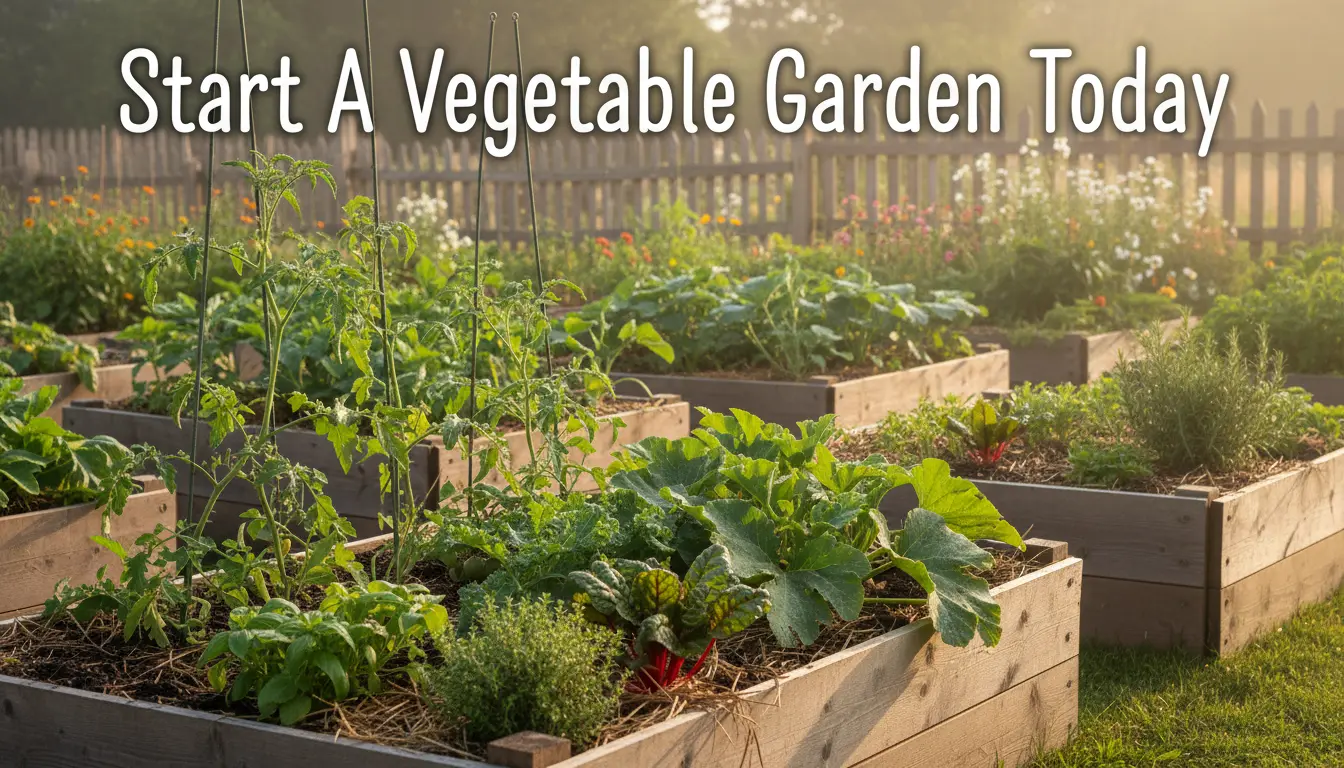
Starting a vegetable garden can be straightforward when you break the process into clear steps. This guide gives practical, actionable instructions you can follow whether you have a yard, balcony, or community plot.
Choose the Right Location
Pick a spot that gets at least 6 hours of direct sunlight daily. Most vegetables need full sun to produce well.
Consider access to water and proximity to your home for easy maintenance. Avoid low spots where water pools after rain.
Sun and Shade Considerations
Observe the site for a few days to map sun exposure. Morning sun and afternoon shade can work for leafy greens, while tomatoes require full, direct sun.
Decide Between In-Ground, Raised Beds, or Containers
Choose a planting method based on space, budget, and soil quality. Each method has pros and cons you should weigh.
- In-ground: Best for larger yards with good native soil.
- Raised beds: Improve drainage and soil quality; easier on the back.
- Containers: Ideal for balconies or patios and small spaces.
Prepare the Soil
Healthy soil is the foundation of a productive garden. Test the soil pH and nutrient levels if possible.
Amend native soil with compost and well-rotted organic matter to improve structure and fertility. Aim for loose, crumbly soil that drains but retains moisture.
Simple Soil Mix for Raised Beds
Use a mix of 40% topsoil, 40% compost, and 20% coconut coir or peat to retain moisture. This provides a balanced environment for roots and beneficial microbes.
Pick Vegetables for Your Climate and Schedule
Select varieties that match your USDA hardiness zone or local climate. Start with reliable, easy crops for beginners.
- Good beginner vegetables: lettuce, spinach, radishes, bush beans, cherry tomatoes, zucchini.
- Stagger plantings to extend harvest: sow quick crops every 2–3 weeks.
Plan a Simple Planting Layout
Group plants by water needs and height. Place taller crops on the north side of a bed to avoid shading shorter plants.
Leave walking paths or access lanes for harvesting and maintenance to prevent compacting soil.
Planting and Timing
Follow seed packet or plant tag instructions for depth and spacing. Water seeds gently after planting to settle the soil.
Pay attention to frost dates: plant cool-season crops earlier and warm-season crops after the last frost.
Starter Tips for Seedlings
Harden off seedlings by gradually exposing them to outdoor conditions over a week. This reduces transplant shock and improves survival rates.
Watering and Mulching
Consistent moisture is critical. Water deeply and less frequently to encourage strong root systems. Aim for the root zone, not foliage.
Apply 2–3 inches of organic mulch to reduce evaporation, suppress weeds, and moderate soil temperature.
Pest and Disease Basics
Monitor plants regularly for pests and disease symptoms. Early detection makes control much easier.
- Use row covers to protect young plants from insects.
- Encourage beneficial insects with flowering herbs and companion plants.
- Remove diseased leaves promptly and avoid overhead watering to minimize fungal issues.
Maintenance and Harvesting
Prune and stake vining plants like tomatoes and peas to improve air circulation. Feed heavy feeders with balanced organic fertilizer midseason if needed.
Harvest regularly; many vegetables produce more if picked when young and tender. Keep a simple log of planting dates and yields to refine timing next season.
Interplanting fast-growing crops like radishes between slower growers can increase yield and make efficient use of space.
Case Study Small Urban Backyard
Maria converted a 10 x 6 foot patch of grass into two 4 x 3 foot raised beds. She amended soil with compost and planted tomatoes, basil, lettuce, and bush beans.
In her first season she harvested lettuce within 5 weeks and tomatoes by mid-summer. She reported less watering and fewer weeds after adding 3 inches of mulch.
Key takeaways: start small, amend soil, and choose compact or bush varieties for limited space.
Simple Seasonal Checklist
- Spring: soil prep, plant cool-season crops, start seedlings indoors
- Early summer: transplant warm-season crops, mulch, stake plants
- Late summer: succession plantings, monitor for pests, conserve water
- Fall: harvest remaining crops, add compost, plan cover crops
Final Practical Tips
Start with a short list of favorite vegetables to avoid overwhelm. Focus on soil health and regular, deep watering.
Keep notes on what worked and what didn’t. Gardening is iterative; small improvements each season lead to reliable yields.
With the right site, soil, and simple routine, anyone can grow a productive vegetable garden. Begin small, observe, and expand as you gain confidence.