
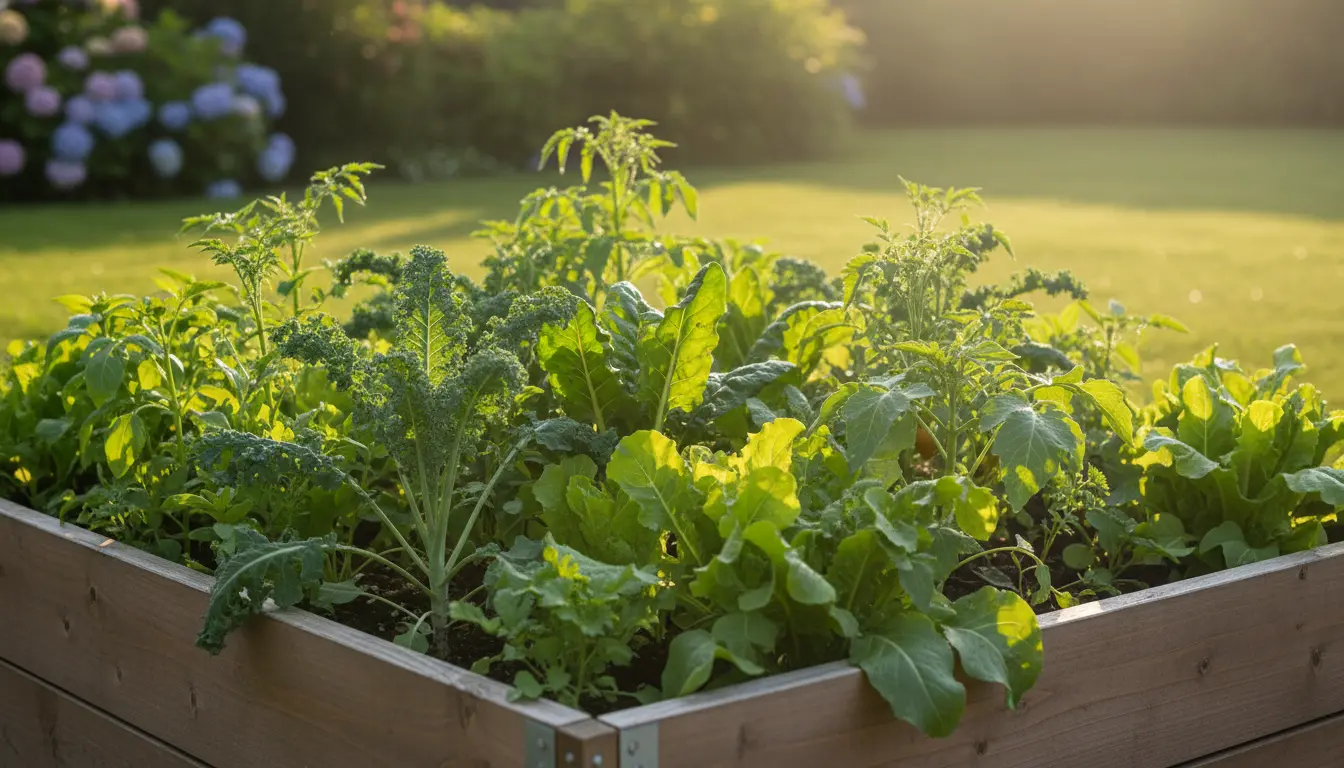
Start smart with small vegetable garden planning
Planning a small vegetable garden helps you get better yields with less work. A clear plan reduces mistakes like overcrowding, poor soil choices, and inconsistent watering.
This guide explains practical steps you can apply to a balcony, patio, or compact backyard plot.
Choose the right spot for small vegetable garden planning
Sunlight is the most important site factor. Most vegetables need 6 to 8 hours of direct sun daily.
Look for a level area with good drainage and easy access to water. Note any shade patterns through the day.
Assess space and layout for small vegetable garden planning
Measure available space and sketch a simple layout. Consider paths, bed sizes, and container placement.
- Raised beds: 3–4 feet wide allows easy access from both sides.
- Containers: choose 12–24 inch pots for root crops and herbs.
- Vertical supports: use trellises for vining crops to save ground space.
Prepare soil as part of effective small vegetable garden planning
Healthy soil saves time later. Test your soil pH and texture if possible, or use a quality raised bed mix.
Amendments commonly used are compost, well-rotted manure, and a balanced organic fertilizer. Mix thoroughly to a depth of at least 8–12 inches for most vegetables.
Simple soil improvement steps
- Add 2–4 inches of compost and mix into top 8–12 inches.
- For clay soils, add coarse sand and compost to improve drainage.
- For sandy soils, add compost and organic matter to improve water retention.
Select crops that fit your space and needs
Choose vegetables that you and your household will eat regularly. Prioritize high-yield, space-efficient crops.
- Compact picks: cherry tomatoes, bush beans, salad greens, radishes, and herbs.
- Vertical picks: cucumbers, pole beans, peas, and small melons on sturdy trellises.
- Successive planting: sow quick crops (radishes, salad greens) between slower ones.
Plan crop rotation and companion planting
Rotate families of vegetables each season to reduce pest and disease buildup. Use companion plants like basil near tomatoes to help flavor and repel pests.
Watering, feeding, and maintenance in small vegetable garden planning
Consistent moisture is key. Water deeply and less frequently to encourage strong roots.
Mulch helps retain moisture, suppress weeds, and keep soil temperature steady.
- Watering tip: aim for 1–1.5 inches per week, more in hot weather.
- Use soaker hoses or drip irrigation to reduce evaporation and disease risk.
- Feed with compost tea or balanced organic fertilizer according to label directions.
Pest and disease basics for small vegetable garden planning
Early detection makes control easier. Inspect leaves weekly and remove damaged foliage promptly.
Use physical barriers like row covers for pests on seedlings and apply organic controls such as neem oil when needed.
Common preventive measures
- Clean tools between uses to avoid spreading disease.
- Rotate crops and avoid planting the same family in the same bed each year.
- Encourage beneficial insects by planting flowers like marigold and alyssum nearby.
Over 60% of common garden pests prefer stressed plants. Regular watering and proper nutrition significantly reduce pest damage.
Seasonal schedule for small vegetable garden planning
Map out a seasonal calendar for planting, feeding, and harvesting. Knowing frost dates helps with timing both early and late crops.
Keep a simple log: planting dates, varieties, and harvest yields to improve next season’s planning.
Small vegetable garden planning case study
Case study: Sarah transformed a 4×8-foot raised bed on a sunny balcony into a productive veggie patch. She used a mix of tomatoes, bush beans, lettuce, and herbs.
By spacing plants properly and using a drip hose with weekly watering, Sarah harvested enough salad greens for her family and several pints of cherry tomatoes each week for the summer. She saved time by mulching and rotating beans with leafy greens the following season.
Quick checklist for small vegetable garden planning
- Choose a sunny site and measure available space.
- Decide on beds or containers and plan bed sizes.
- Improve soil with compost and test pH if possible.
- Select compact and vertical crops to match space.
- Set up efficient watering and add mulch.
- Monitor regularly for pests and record results.
Final tips for successful small vegetable garden planning
Start small and expand as you gain experience. Focus on consistent care rather than complex techniques in year one.
Use what you grow: planting favorites keeps motivation high. With deliberate planning and basic maintenance, even a small space can be highly productive.