
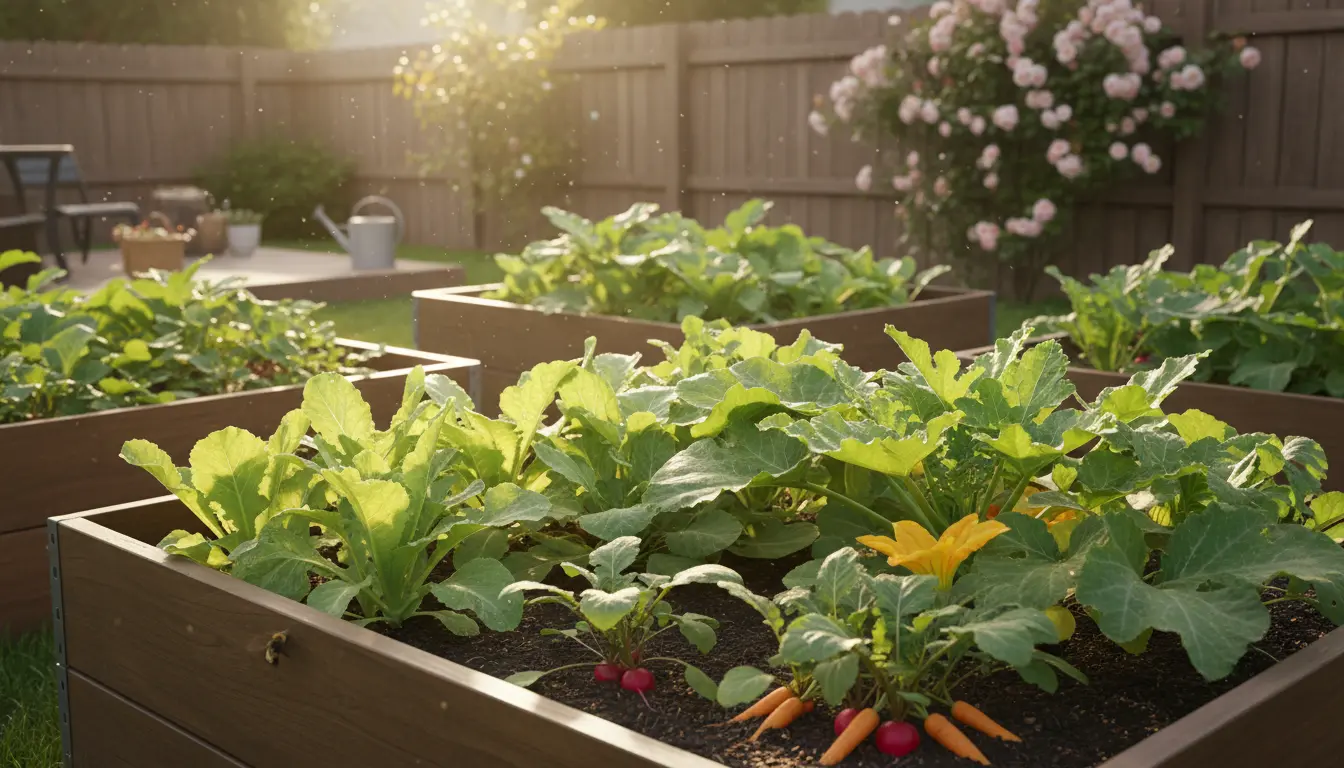
Starting a vegetable garden can be simple and rewarding. This guide gives clear, practical steps you can follow in your first season.
7 Steps to Start a Vegetable Garden
Follow these steps to plan and plant a productive garden. Each step focuses on essentials you can act on immediately.
1. Choose a Site for Your Vegetable Garden
Pick a spot with at least six hours of direct sunlight daily. Vegetables need sun to produce fruit and develop good flavor.
Also check for nearby water access and level ground to prevent erosion. Avoid low areas that stay wet after rain.
2. Test Soil and Improve It
Get a basic soil test from a garden center or extension service to check pH and nutrients. Most vegetables prefer a pH of 6.0 to 7.0.
If soil is heavy clay or sandy, amend it with compost and aged organic matter. Work compost into the top 6–8 inches of soil for better structure.
3. Pick Easy Vegetables for Beginners
Start with crops that are forgiving and quick to harvest. They build confidence and reduce frustration.
- Tomatoes (determinate varieties)
- Lettuce and salad greens
- Radishes
- Zucchini and summer squash
- Beans (bush types)
- Herbs like basil and parsley
4. Plan Layout and Planting Schedule
Design beds or rows so you can reach the center from walkways. Use beds no wider than 4 feet for easy access without stepping on soil.
Make a simple planting calendar. Record average last frost date for your area and plan sowing dates for seeds and transplants accordingly.
5. Prepare Beds and Plant
Clear the area of weeds and debris. Loosen soil with a fork or tiller to the planting depth needed for your crops.
Follow seed packet or plant tag spacing to avoid crowding. Mulch around transplants to conserve moisture and suppress weeds.
6. Watering and Maintenance for a Healthy Vegetable Garden
Water deeply and less often to encourage strong roots. Aim for about 1 inch of water per week, adjusting for rainfall and soil type.
Use drip irrigation or soaker hoses when possible to reduce foliage wetness and disease risk. Monitor for pests and diseases and take quick, targeted action.
- Handpick pests like slugs and caterpillars
- Use row covers for early-season insect control
- Remove diseased leaves and rotate crops yearly
7. Harvesting and Crop Rotation
Harvest vegetables at recommended ripeness to encourage continuous production. Regular picking often leads to larger yields.
Plan simple crop rotation to prevent soil-borne problems. Avoid planting the same family in the same bed two seasons in a row.
Tools and Supplies to Start a Vegetable Garden
You do not need every tool at once. Start with basic items and add as your garden grows.
- Spade or shovel for digging
- Garden fork for soil loosening
- Hand trowel and pruners
- Watering can or hose with a gentle nozzle
- Mulch and compost
Simple Planting Examples
Try a small raised bed 4 x 8 feet for your first season. This size fits many easy crops and is manageable for one person.
- One row of tomatoes along the sunny long side
- Two to three rows of lettuce and radishes in front
- Beans or squash at the far end if space permits
Companion planting like basil near tomatoes can improve flavor and may reduce pest pressure. Small changes like this often increase garden success.
Case Study: Sarah’s First Season Vegetable Garden
Sarah converted a sunny patch of lawn into a 4 x 6 foot raised bed in spring. She followed a simple plan and kept a planting calendar.
She planted determinate tomatoes, bush beans, lettuce, and radishes. Sarah watered twice weekly and added compost once mid-season.
By late summer she harvested enough tomatoes and beans for weekly meals and continuous salads from the lettuce. Her total outlay was under $150 for soil, plants, and tools.
Troubleshooting Common Problems in a Vegetable Garden
Poor Germination
Check seed freshness and soil temperature. Some seeds need warmer soil to sprout; start them indoors if your season is short.
Yellow Leaves
Yellowing can mean overwatering, nutrient deficiency, or compacted roots. Test soil and adjust watering before adding more fertilizer.
Low Yields
Ensure plants get enough light and are not crowded. Revisit spacing, feeding, and pruning to improve production.
Final Tips to Grow a Successful Vegetable Garden
- Start small and expand after your first season.
- Keep a garden journal with dates, varieties, and notes.
- Use local extension resources for region-specific advice.
With planning and simple care, anyone can start a vegetable garden that provides fresh produce and learning each season. Begin with the basic steps above and adapt as you gain experience.