
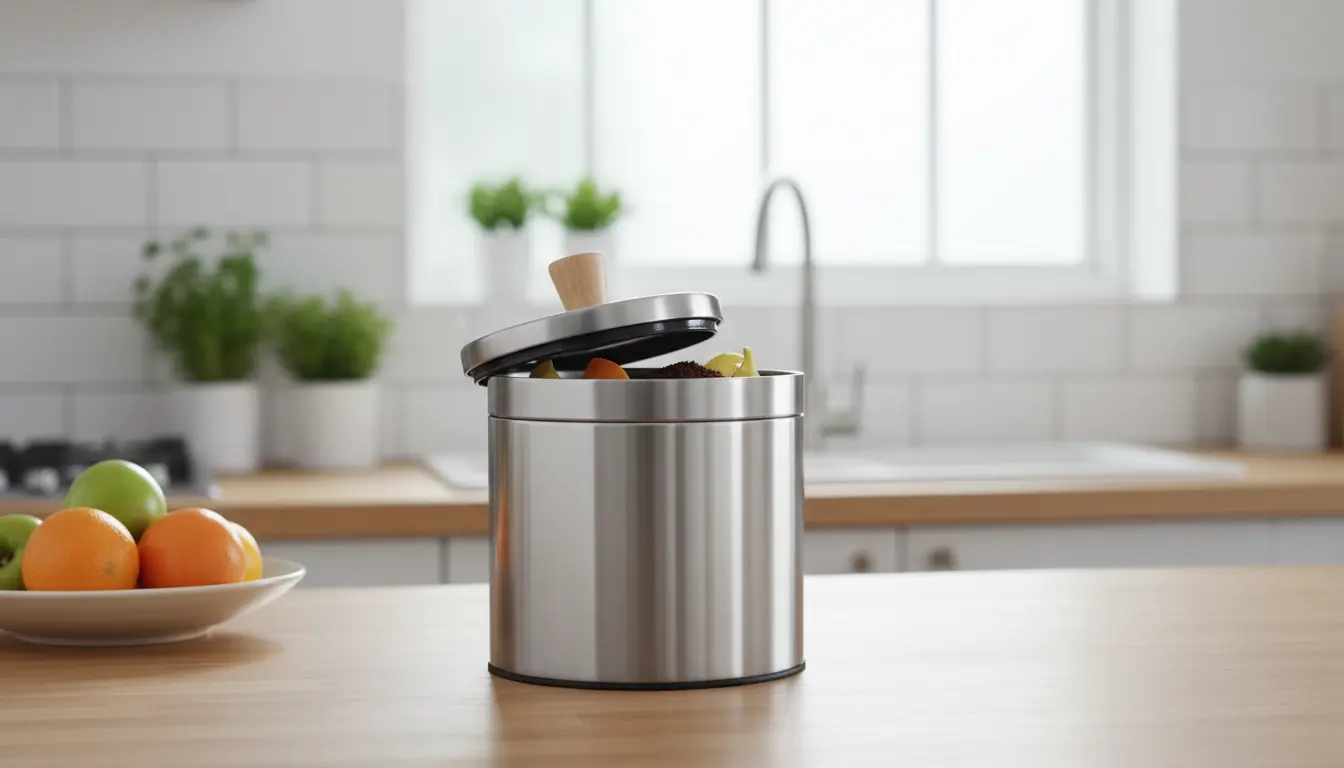
Composting at home turns kitchen scraps and yard waste into rich soil that nourishes plants and reduces trash. This guide explains straightforward steps to start home composting, what materials to use, and how to avoid common problems.
What Is Home Composting and Why It Matters
Home composting is the natural breakdown of organic matter by microbes, worms, and other organisms into a nutrient-rich soil amendment. It reduces household waste, lowers landfill methane, and improves soil structure for gardens and potted plants.
How Home Composting Works
Compost requires a balance of carbon-rich ‘brown’ materials and nitrogen-rich ‘green’ materials. Proper air, moisture, and particle size speed up decomposition and prevent odors.
Basic compost science
- Greens: Vegetable scraps, coffee grounds, fresh grass clippings (provide nitrogen).
- Browns: Dry leaves, cardboard, shredded paper, small twigs (provide carbon).
- Air and moisture: Oxygen keeps microbes active; aim for a damp sponge level of moisture.
Choosing a Composting Method
Choose a method that fits your space and lifestyle. Each option has trade-offs in time, maintenance, and speed.
- Backyard bin or tumbler — Good for yards and faster results with turning.
- Open pile — Low cost, lower management, slower decomposition.
- Bokashi — Fermentation method for small spaces, works with cooked food and meat.
- Indoor worm bin (vermicompost) — Ideal for apartments; produces rich worm castings.
Step-by-Step: Start Home Composting
Follow these simple steps to build your first compost system and maintain it for steady results.
- Pick a container or spot. A 3x3x3 foot space or a 50–100 gallon bin works well for most households.
- Layer materials. Start with a base of browns, add greens, and repeat. Aim for a 3:1 ratio of browns to greens by volume.
- Moisten and aerate. Keep the pile as damp as a wrung-out sponge and turn every 1–2 weeks to add oxygen.
- Monitor temperature. A hot pile (131–160°F) breaks down materials faster; smaller piles may remain cooler but still compost.
- Harvest finished compost. After 2–6 months, dark crumbly compost is ready. Sift and use in garden beds or potting mixes.
Quick maintenance tips
- Add dry browns if the pile smells or is too wet.
- Chop large pieces to speed decomposition.
- Cover with a lid or tarp during heavy rain to avoid waterlogging.
Adding a thin layer of finished compost or garden soil to new layers introduces beneficial microbes and speeds up the breakdown of fresh materials.
Materials to Avoid in Home Composting
Some items slow composting, introduce pests, or create harmful compounds. Keep these out of your pile for best results.
- Meat, fish, bones, and greasy foods (unless using bokashi or secure hot systems).
- Diseased plants and weeds with seeds if your pile won’t reach high temperatures.
- Coal ash, treated wood, and pet waste from carnivores.
Troubleshooting Common Problems
Most compost issues have simple fixes. Identifying the symptom will point to the likely cause.
- Bad odor: Add more browns and turn pile to add air.
- Pests: Bury food scraps deeper, use a closed bin, or try bokashi for cooked foods.
- Slow decomposition: Chop materials finer, add nitrogen-rich greens, or increase moisture and turning.
Small Real-World Example: Apartment Vermicomposting
Anna, a city apartment resident, started a small worm bin under her sink. She used shredded paper as bedding and fed the bin daily with fruit and vegetable scraps. Within 3 months she harvested dark worm castings and used them to boost the health of her balcony herb pots.
The system required minimal space, produced little odor when maintained, and cut her kitchen waste by about 60 percent.
How to Use Finished Compost
Finished compost is a versatile soil amendment. Mix it into garden beds, top dress lawns, or blend with potting soil for container plants.
- Vegetable beds: Mix 1–3 inches of compost into the top 6–8 inches of soil before planting.
- Container plants: Replace 20–30 percent of potting mix with compost to improve water retention and nutrients.
- Mulch: Spread a thin layer around shrubs and trees to moderate soil temperature and retain moisture.
Conclusion: Start Small and Learn
Home composting is flexible and scalable. Begin with a small system, learn the balance of greens and browns, and adjust maintenance to match your household’s waste output.
With consistent attention for a few weeks, you will produce usable compost and reduce organic waste while improving your garden’s soil.