
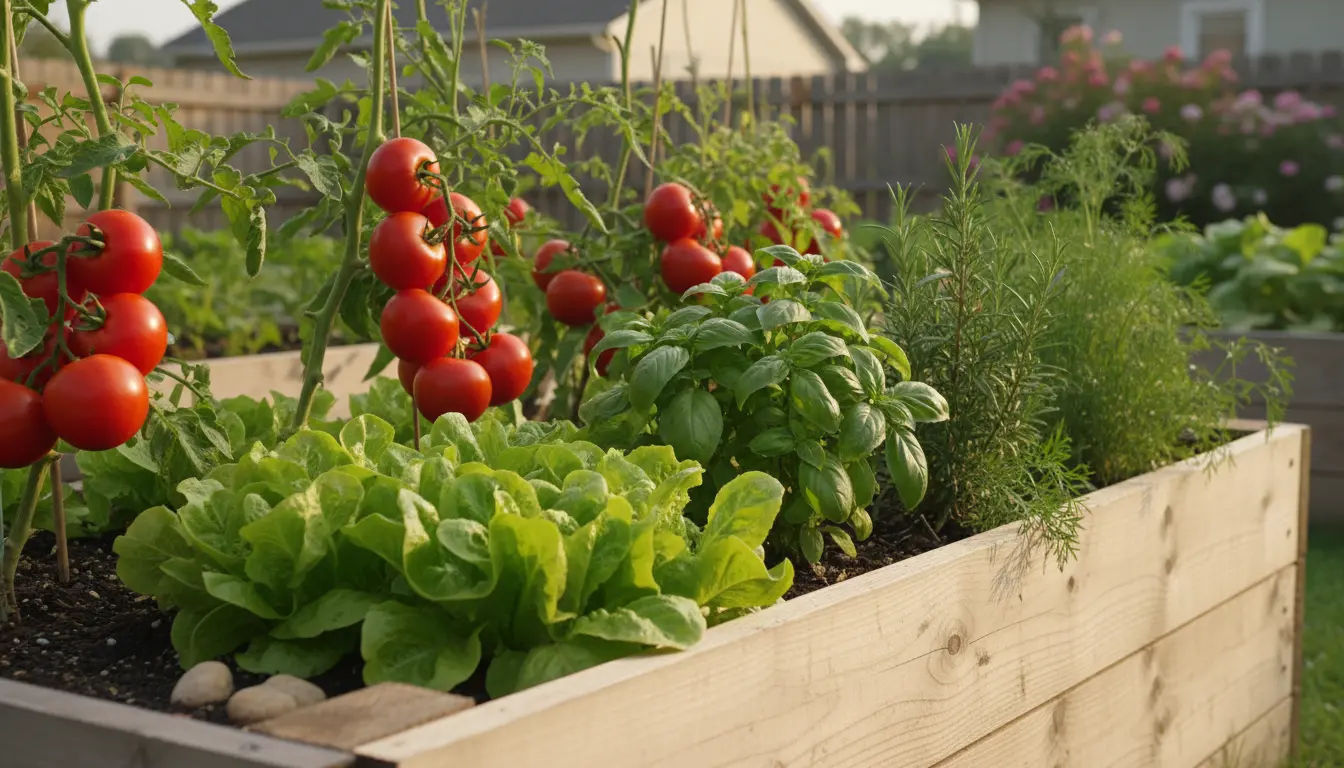
Start a Vegetable Garden at Home: Step-by-Step
Starting a vegetable garden at home is practical and rewarding. This guide gives clear steps you can follow, whether you have a yard, balcony, or small patio.
Follow each stage: choose a site, prepare soil, pick crops, plant correctly, and maintain your garden for steady yields.
Choose the Best Spot for a Vegetable Garden at Home
Select a location with at least 6 hours of sunlight for most vegetables. Morning sun is best because it dries dew and reduces disease risk.
Consider access to water and good drainage. Avoid low spots where water collects, and pick an area close to your routine to encourage daily care.
Prepare Soil for a Vegetable Garden at Home
Good soil is the most important factor for success. Test soil pH and texture before planting; most vegetables prefer pH 6.0–7.0.
Improve soil with organic matter such as compost or aged manure. Mix 2–3 inches of compost into the top 6–8 inches of soil to boost fertility and structure.
Plan What to Plant in a Vegetable Garden at Home
Choose crops that match your climate, space, and cooking habits. Start with easy vegetables: lettuce, radishes, tomatoes, beans, and peppers.
Use succession planting to harvest continuously. Plant cool-season crops (spinach, kale) early, then warm-season crops (tomatoes, cucumbers) after frost risk passes.
Planting and Care for Your Vegetable Garden at Home
Follow seed packet directions for spacing and depth. Transplants need gentle handling—harden them off for a week before planting outside.
Water deeply and less often to encourage strong roots. Aim for 1–1.5 inches of water per week, adjusting for rainfall and soil type.
Mulch and Weed Management in a Vegetable Garden at Home
Apply 2–3 inches of organic mulch around plants to conserve moisture and suppress weeds. Keep mulch a few inches from stems to prevent rot.
Weed regularly by hand or with a hoe. Smaller weeds are easier to remove and compete less with young vegetables for nutrients and water.
Pest and Disease Control for a Vegetable Garden at Home
Use integrated pest management: monitor plants, identify issues, and use targeted solutions. Start with physical controls like row covers or handpicking pests.
Encourage beneficial insects by planting flowers and avoiding broad-spectrum pesticides. If you need to treat, choose the least toxic options and follow label directions.
Small Space Options for a Vegetable Garden at Home
Not enough yard? Use containers, vertical supports, and raised beds. Many vegetables grow well in containers if they have enough soil volume and water.
Good container crops: cherry tomatoes, peppers, herbs, salad greens, and bush beans. Vertical options: trellised beans, peas, cucumbers, and indeterminate tomatoes.
Tools and Supplies for a Vegetable Garden at Home
Start with a basic set of tools and add as needed. Quality tools make tasks faster and reduce fatigue.
- Hand trowel and fork for planting and weeding
- Spade or shovel for soil work and raised beds
- Watering can or hose with a gentle spray nozzle
- Garden gloves and pruners for maintenance
- Soil test kit or pH meter to monitor soil health
Seasonal Checklist for a Vegetable Garden at Home
Keep a simple seasonal plan to stay organized and productive. This helps prevent missed tasks and improves yields.
- Early spring: test soil, prepare beds, sow cool-season seeds
- Late spring: transplant warm-season crops, install supports
- Summer: water deeply, harvest regularly, scout for pests
- Fall: plant cover crops, harvest remaining vegetables, add compost
Companion planting can reduce pests and improve yields. For example, planting basil near tomatoes may deter some pests and improve flavor.
Real-World Example: A Small Urban Vegetable Garden at Home
Case study: An urban renter used three 12×24 inch containers to start a vegetable garden at home. They planted cherry tomatoes, basil, and leaf lettuce.
Within two months they harvested weekly salads and a steady supply of cherry tomatoes. They improved soil with a monthly top-dressing of compost and used drip irrigation to conserve water.
Outcome: Low cost, minimal space, and fresh produce that reduced grocery trips by 30 percent during the growing season.
Quick Tips to Keep Your Vegetable Garden at Home Productive
- Start small and expand after your first season.
- Keep a simple journal: planting dates, varieties, and harvests.
- Rotate crops each year to reduce pest cycles and maintain soil health.
- Save seeds from open-pollinated varieties to reduce costs and adapt plants to your conditions.
Starting a vegetable garden at home can be simple when you focus on sunlight, soil, water, and appropriate crop choices. Use the steps above to plan, plant, and maintain a productive garden that fits your space and schedule.
With regular care and small improvements each season, your home vegetable garden will become a reliable source of fresh produce and gardening satisfaction.