
Home Composting for Beginners: What You Need to Know
Home composting is an easy way to turn kitchen scraps and yard waste into nutrient-rich soil. This guide gives practical, step-by-step instructions for beginners who want to start composting at home.
Why choose home composting for beginners
Composting reduces landfill waste and improves garden soil. It also saves money on store-bought fertilizer and supports healthier plants.
How to Start Home Composting for Beginners
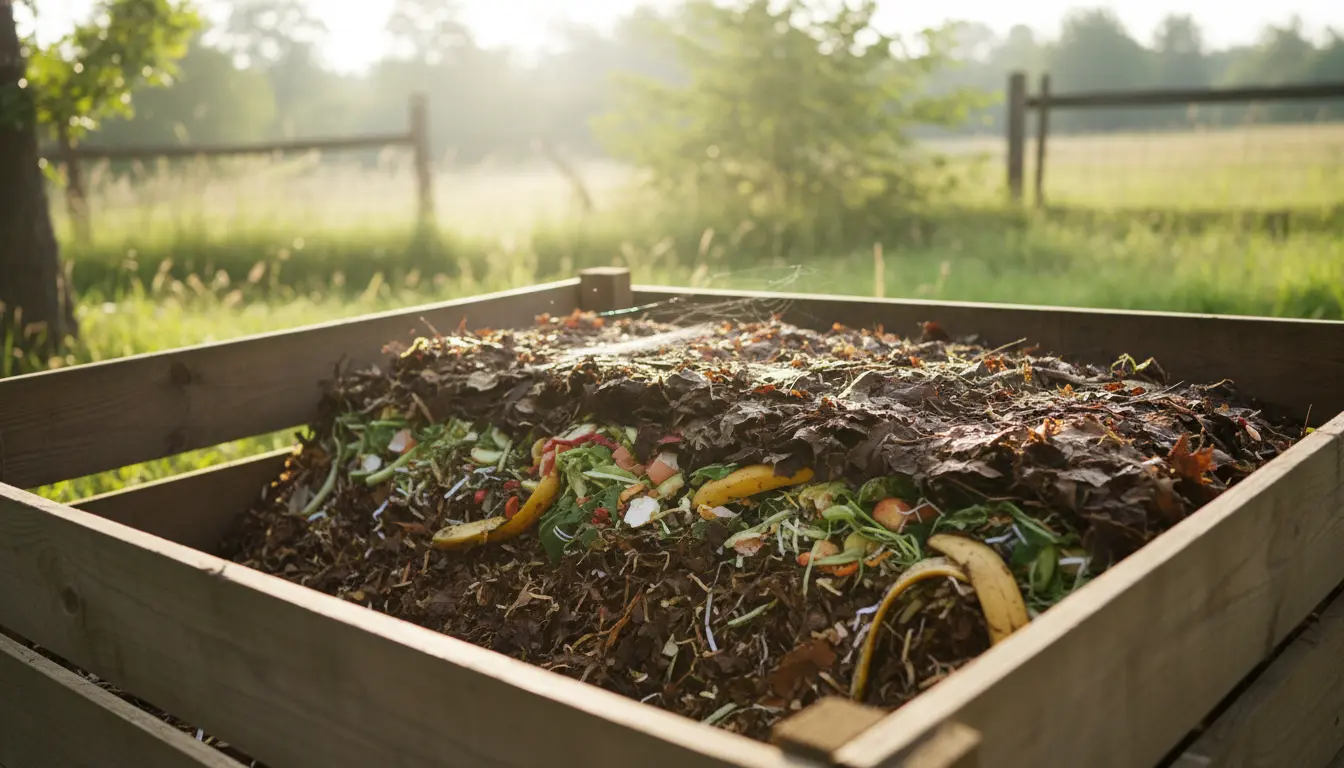
Choose a method that fits your space, budget, and time. Popular options include a backyard compost pile, a compost bin, and bokashi or worm composting for indoor setups.
Step-by-step starting guide
- Pick a location: A partially shaded spot near water is ideal for outdoor systems.
- Pick a system: Use a tumbler, stationary bin, pile, worm bin, or bokashi bucket depending on your needs.
- Layer and mix: Alternate green (nitrogen) and brown (carbon) materials to balance the pile.
- Keep it moist: Aim for the moisture of a wrung-out sponge; too dry slows decomposition.
- Turn or aerate: Aeration speeds up breakdown—turn a pile every 1–2 weeks or use a tumbler.
Quick equipment list for beginners
- Compost bin or tumbler, or a simple wire cage
- Pitchfork or compost aerator
- Kitchen collection container with a lid
- Optional: kitchen scraps catcher with charcoal filter
What to Compost: Home Composting for Beginners
Knowing what to add is key. Proper inputs help you avoid odor, pests, and slow decomposition.
Good materials
- Greens (high nitrogen): fruit and vegetable scraps, coffee grounds, tea leaves, fresh grass clippings
- Browns (high carbon): dry leaves, straw, shredded paper, cardboard, wood chips
Materials to avoid
- Meat, dairy, oily foods (attract pests)
- Diseased plants and invasive weeds (may survive composting)
- Pet feces (can contain pathogens)
Maintenance Tips for Home Composting for Beginners
Routine care keeps compost active and healthy. Simple actions make the process predictable and fast.
Basic maintenance steps
- Monitor moisture: Add water if too dry, add dry browns if too wet.
- Turn the pile: Every 1–3 weeks to introduce oxygen and speed decomposition.
- Balance greens and browns: Aim for roughly 1 part greens to 2–3 parts browns by volume.
Signs compost is working
- Warm center: indicates microbial activity.
- Earthy smell: healthy compost smells like soil, not rotten or sour.
- Dark crumbly texture: finished compost looks and smells like rich soil.
Microbes and tiny organisms break down organic matter. A small backyard pile can divert hundreds of pounds of food waste from landfills each year.
Troubleshooting Common Problems in Home Composting for Beginners
Problems are usually solvable with small adjustments. Look for moisture, airflow, and mix balance first.
Common issues and fixes
- Bad odor: Add more browns and turn the pile to add oxygen.
- Pests: Avoid meat and dairy; use a closed bin or bury scraps in the pile.
- Slow breakdown: Chop materials smaller, increase moisture, and turn more often.
Timeline and Expectations for Home Composting for Beginners
Compost timelines vary by method and conditions. Outdoor piles can take 3–12 months, while hot composting can produce finished compost in 2–3 months.
Speeding up composting
- Increase surface area: Chop or shred materials.
- Maintain heat: A larger pile retains heat better; aim for at least 3 feet across for hot composting.
- Use active aeration: Turn or use a tumbler frequently.
Small Real-World Case Study
Case: Sarah, an apartment gardener, started worm composting in a 20-liter bin. She saved fruit and vegetable scraps for a week, fed them to red wigglers, and harvested worm castings every three months.
Results: Her houseplants showed stronger growth and she cut her food waste by about 60% within six months. The worm bin fit under her kitchen counter and required only occasional feeding and moisture checks.
Practical Examples and Uses
Use finished compost as a top dressing for lawns, a soil amendment for raised beds, or mixed into potting mixes. A cup or two per plant when repotting can boost growth and water retention.
Simple backyard example
- Start a 3×3 foot pile near the garden.
- Layer 2 inches of shredded leaves, add a thin layer of kitchen scraps, cover with a handful of garden soil.
- Turn every 2 weeks and keep moist; expect usable compost in 4–9 months depending on season.
Home composting for beginners is straightforward and adaptable. Start small, observe your system, and make incremental adjustments. Over time you will generate valuable compost and reduce household waste.