
Getting Started with a Small Vegetable Garden
Starting a small vegetable garden is one of the most practical ways to grow fresh food at home. This guide covers the essential steps so you can plan, plant, and maintain a productive garden in limited space.
Plan Your Small Vegetable Garden
Begin with a simple plan that matches your space, schedule, and climate. Identify how much time you can spend weekly and how many plants you want to manage.
Choose the Right Location for a Small Vegetable Garden
Select a spot that gets at least 6 hours of sun per day for most vegetables. Ensure access to water and good drainage to avoid soggy soil.
Decide Between Beds, Containers, or Rows
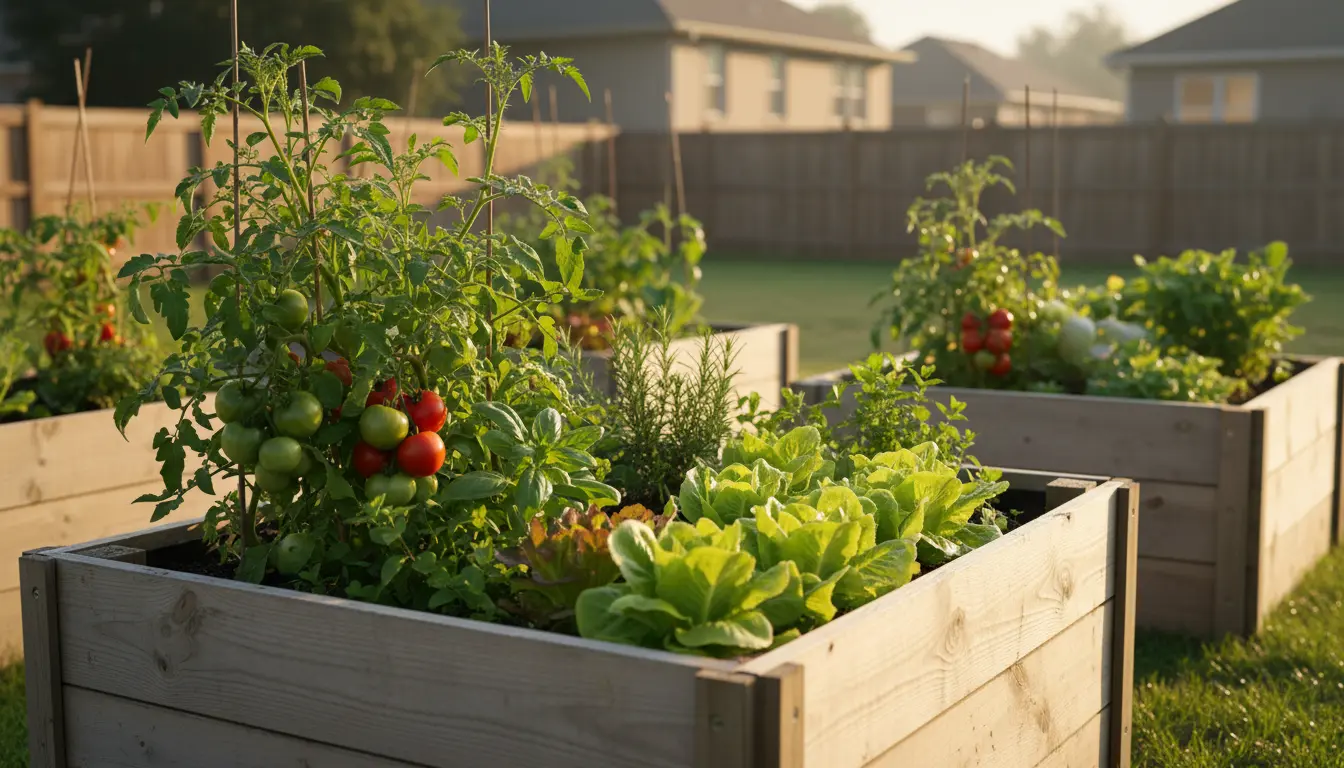
Raised beds and containers work well in small spaces and urban yards. They offer better soil control and easier weed management than in-ground rows.
- Raised beds: Better soil depth and warming in spring.
- Containers: Ideal for patios and balconies.
- In-ground: Works if soil is healthy and space is available.
Prepare Soil for a Small Vegetable Garden
Good soil is the foundation of a productive small vegetable garden. Focus on structure, nutrients, and pH to give plants a strong start.
Test and Improve Soil
Run a basic soil test to check pH and nutrient levels. Most vegetables prefer slightly acidic to neutral soil (pH 6.0–7.0).
Add organic matter like compost or well-rotted manure to improve texture and fertility. For raised beds, mix a commercial garden soil with compost for best results.
Soil Tips for Small Vegetable Garden Success
- Aim for loose, crumbly soil that drains well.
- Mix 25–50% compost into top 6–8 inches of soil before planting.
- Mulch between plants to retain moisture and suppress weeds.
Planting and Care in a Small Vegetable Garden
With soil prepared, plan your planting schedule and care routine. Use plant spacing and succession planting to maximize yield in limited space.
Select Vegetables for a Small Vegetable Garden
Choose compact or high-yield varieties suited to small spaces. Choose based on taste, ease, and harvest frequency.
- Leafy greens: Lettuce, spinach, Swiss chard.
- Root crops: Radishes, carrots (short varieties).
- Bush forms: Bush beans, compact tomatoes, peppers.
- Herbs: Basil, parsley, chives for quick access.
Watering, Feeding, and Basic Care
Consistent watering is more important than quantity. Water deeply once or twice a week rather than light daily sprinkling when weather is dry.
Feed plants with a balanced organic fertilizer or compost tea every 3–4 weeks during the growing season. Monitor plants weekly for pests and nutrient issues.
Pest and Disease Management for a Small Vegetable Garden
In small gardens, prevention and quick response are key. Use non-chemical methods first and keep beds tidy to reduce disease pressure.
Practical Pest Controls
- Use row covers for chewing insects early in the season.
- Handpick larger pests like slugs and caterpillars.
- Encourage beneficial insects with flowering herbs and companion planting.
Preventing Common Diseases
Rotate crops if possible and avoid planting the same family in the same bed year after year. Ensure good air circulation by spacing plants properly.
A single 4×8 raised bed can provide several weeks of salad greens for a family of four when planted in succession. Succession planting keeps harvests steady through the season.
Harvesting and Extending the Season in a Small Vegetable Garden
Harvest regularly to encourage continued production. Pick leafy greens young for best flavor and remove spent plants promptly.
Use season extension tools like row covers, cold frames, or a small hoop house to start earlier and extend harvests into cooler months.
Common Problems and Quick Fixes for Small Vegetable Garden
Small gardens have fewer problems but can be sensitive to mistakes. Address issues early to avoid losing plants.
- Yellow leaves: Check watering and nitrogen levels.
- Poor fruit set: Ensure adequate pollination and warmth.
- Stunted growth: Test soil for compaction or nutrient deficiency.
Case Study: Jane’s 4×8 Raised Bed
Jane converted a sunny corner of her yard into a 4×8 raised bed and followed a simple plan. She filled the bed with a mix of garden soil and compost and planted lettuces, bush beans, cherry tomatoes, and basil in spring.
By staggering sowings of lettuce every two weeks and rotating beans with tomatoes, Jane harvested fresh greens and beans for most of the growing season. Her most important change was a weekly 15-minute walk-through to check water and pests.
Simple Checklist to Start Your Small Vegetable Garden
- Choose a sunny location with water access.
- Decide on raised bed, container, or in-ground layout.
- Test and improve soil with compost.
- Select compact vegetable varieties and plan spacing.
- Set a simple care routine: water, feed, inspect weekly.
Starting a small vegetable garden is achievable with planning and modest effort. Focus on good soil, right plant choices, and consistent care to turn a small space into a reliable source of fresh produce.