
Working from home can boost flexibility but also brings unique productivity challenges. This guide gives practical, step-by-step working from home productivity tips you can try today.
Working From Home Productivity Tips
These tips focus on routine, environment, and simple systems. Use the ideas that match your role and household situation.
Set a Clear Start and End Time

Decide when your workday begins and ends and treat those times like office hours. A consistent schedule helps your brain shift into work mode and prevents long, unfocused days.
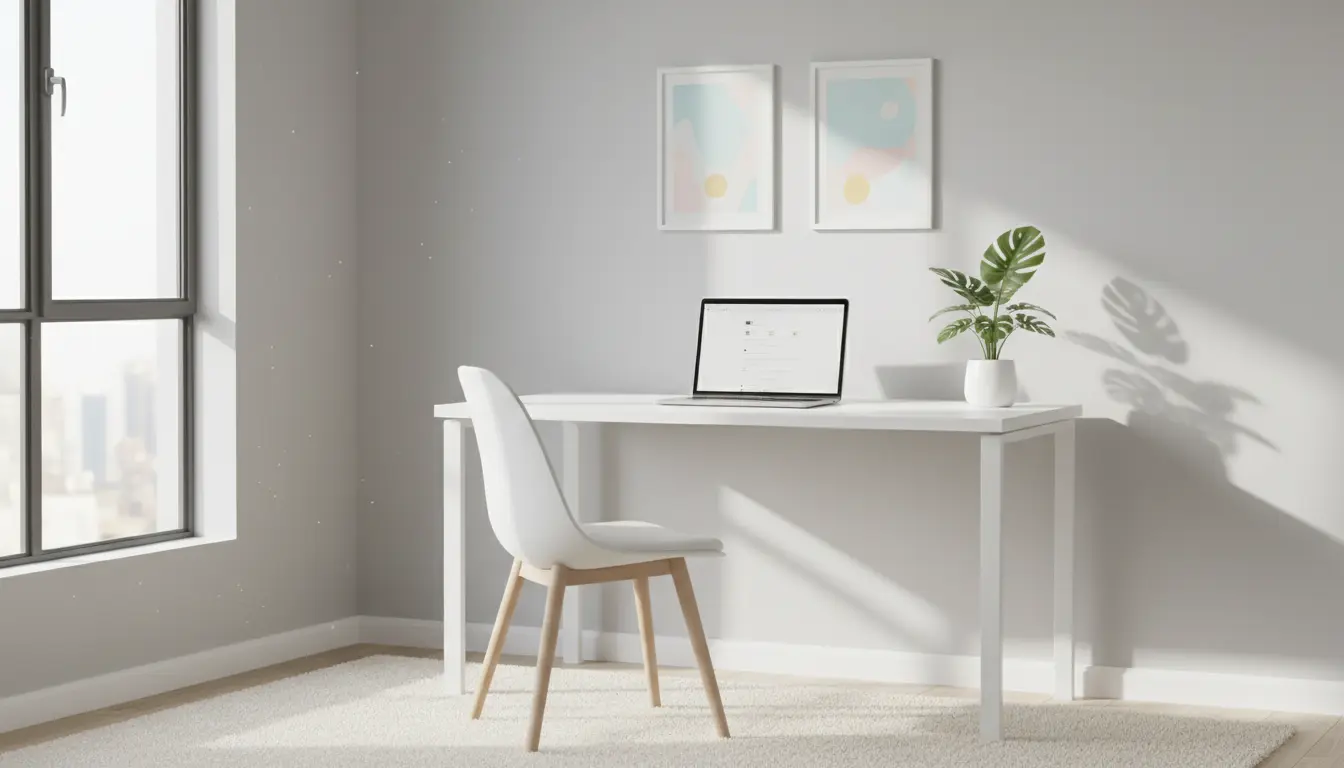
Design a Functional Workspace
Choose a dedicated spot for work, even if it is a corner of a room. Prioritize a comfortable chair, good lighting, and minimal clutter to reduce friction and physical strain.
Use Time Blocking and Prioritize
Plan your day in blocks for focused work, meetings, and small tasks. Label blocks by priority: deep work, admin, calls. This reduces context switching and increases output.
Limit Distractions and Use Tech Strategically

Turn off nonessential notifications and use a single device or browser profile for work tasks. Tools like site blockers and status indicators can reduce interruptions.
Take Regular Breaks and Move
Short breaks every 50–90 minutes improve focus and reduce fatigue. Stand, stretch, or walk for five to ten minutes to reset and avoid prolonged sitting.
Communicate Boundaries With Household and Team
Share your schedule with family or housemates to set expectations. Let colleagues know your core focus hours to reduce unexpected requests during deep work periods.
Daily Routine Example

Here is a simple routine you can adapt to your day. Adjust times to your peak energy hours.
- 08:00 — Start, quick email triage (20 minutes)
- 08:30 — Deep work block (90 minutes)
- 10:00 — Short break and movement (10 minutes)
- 10:15 — Calls or collaborative work (60 minutes)
- 11:30 — Admin tasks and messages (30 minutes)
- 12:00 — Lunch and walk (45–60 minutes)
- 13:00 — Second deep work block (90 minutes)
- 15:00 — Wrap up, plan next day (30 minutes)
Simple Tools and Apps
Use a few reliable tools rather than many single-purpose apps. Keep a streamlined tech stack to avoid overhead.
- Calendar: block and name focus sessions
- Task manager: capture tasks in one list
- Focus timer: Pomodoro or custom intervals
- Communication: set presence and short status messages
Short breaks and movement can improve focus as much as 34 percent, according to several productivity studies. Walking for ten minutes helps consolidate ideas and reduces mental fatigue.
Real-World Example: A Small Case Study
Sara is a customer support manager who began working from home full time. She struggled with long evenings and constant context switching between chat, email, and tickets.
She tried three focused changes: she set a start time and a strict end time, created a dedicated workspace with a headset and a standing desk, and blocked two daily deep work periods in her calendar. She also turned off chat notifications except for two check-in windows.
Within three weeks Sara reported a measurable improvement: she completed higher-priority tasks earlier and reduced after-hours work by 40 percent. Her team response times stayed steady because she used scheduled check-ins to handle urgent issues.
Quick Checklist to Improve Remote Productivity
- Write one daily priority before you start work
- Use two deep work blocks and one collaborative block
- Keep work tools in one place; avoid personal tabs during work blocks
- Set visible boundaries with household members
- Stand or move every hour for at least five minutes
These practical working from home productivity tips are small changes that add up. Test one or two for a week and measure the impact on your focus and finish times.
Start with the easiest habit first and build gradually. Consistency matters more than perfection when improving remote productivity.