
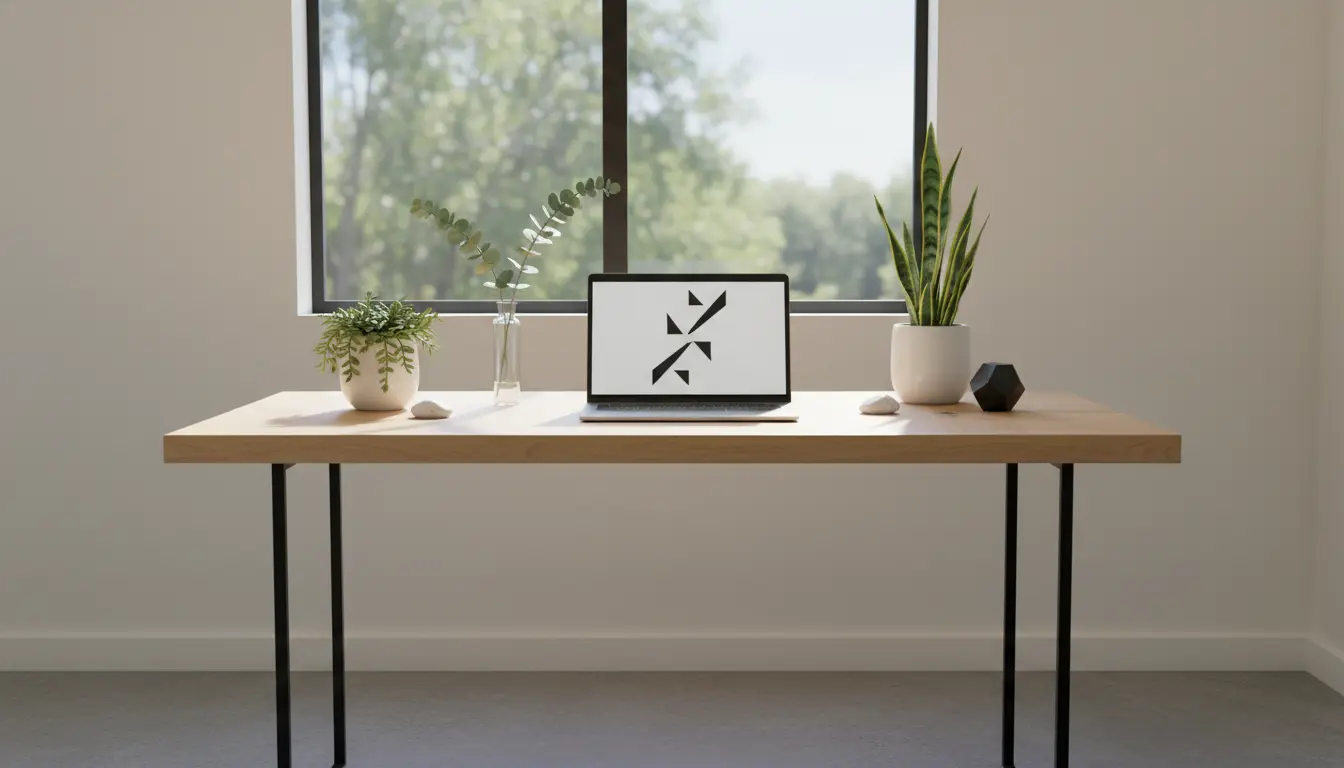
Working from home can improve flexibility but also introduces new distractions and blurred boundaries. This guide gives clear, actionable steps to raise your daily output while preserving work life balance.
Work From Home Productivity Tips: Set Up Your Space
A dedicated workspace helps your brain switch into work mode. Even a small corner with a desk and good lighting can make a measurable difference.

Focus on ergonomics, lighting, and minimizing clutter. A comfortable chair and screen at eye level reduce fatigue and keep focus longer.
Organize Your Home Office for Focus
- Remove nonwork items from view to lower visual distractions.
- Keep a notepad or digital task list visible for quick capture of ideas.
- Use a small shelf or drawer to store reference materials within reach.
Work From Home Productivity Tips: Build a Routine
Routines create predictability and reduce decision fatigue. Start and end your day at consistent times and include short rituals to signal transitions.
Examples of simple rituals: making coffee before you start, a five minute planning session, or a quick stretch after finishing focused work.
Daily Schedule Template
- Morning: 15 minutes planning, top 1-2 priority tasks.
- Midday: Block 90 minutes for deep work, then take a 20 minute break.
- Afternoon: Meetings and lighter tasks; a final 20 minute wrap-up and plan for tomorrow.
Work From Home Productivity Tips: Use Time Blocking

Time blocking reserves defined periods for specific tasks and prevents context switching. Treat blocks like calendar appointments that you cannot easily move.
Start with 60 to 90 minute deep work blocks and schedule short, frequent breaks to prevent burnout.
How to Start Time Blocking
- List your weekly priorities on Monday morning.
- Assign each priority a block in your calendar, including buffers and breaks.
- Use calendar notifications and a visible timer to respect the block.
Work From Home Productivity Tips: Reduce Distractions
Distractions derail momentum. Use both environment changes and technology controls to reduce interruptions.
Simple tools like focus mode on your phone, browser site blockers, and noise cancelling headphones help maintain flow.
Practical Distraction Controls
- Turn off nonessential notifications during deep work blocks.
- Communicate office hours to household members and coworkers.
- Use a single browser profile for work to avoid personal browsing temptations.
Work From Home Productivity Tips: Prioritize Tasks Effectively
Not all tasks are equal. Use a simple prioritization method to pick the most impactful work each day.
The Eisenhower matrix or a daily top three list helps you focus on what moves projects forward.
Quick Prioritization Exercise
- Write all tasks for the day in one list.
- Mark the top three that align with goals or deadlines.
- Block time for those three first, then handle remaining items if time allows.
Work From Home Productivity Tips: Use Tools Wisely
Productivity tools should support focus, not create overhead. Choose a few that match your workflow and stick with them.
Recommended categories: calendar, task manager, timer, and communication channels with clear norms.
Tool Examples
- Calendar: Google Calendar or Outlook for time blocking.
- Tasks: Todoist, Microsoft To Do, or a simple spreadsheet for priorities.
- Focus: Pomodoro timers, site blockers like Freedom or browser extensions.
Work From Home Productivity Tips: Health and Boundaries
Physical and mental health affect productivity. Regular movement, hydration, and clear end-of-day routines protect against burnout.
Set a hard boundary for the end of your workday and ritualize a transition to personal time, such as a short walk or a shutdown checklist.
Healthy Habits to Sustain Productivity
- Take at least one 20 minute outdoor break daily for daylight and movement.
- Stand or change posture every 30 to 45 minutes.
- Keep water accessible to avoid dehydration-related fatigue.
Small Case Study: Freelance Designer Improves Output
Maria, a freelance UX designer, struggled with long workdays and missed deadlines. She adopted time blocking, a dedicated corner office, and a daily top three task list.
Within four weeks she reduced her work hours by 20 percent and increased billable output by focusing on two 90 minute deep work sessions per day. Clear client communication about her availability also lowered interruption frequency.
Work From Home Productivity Tips: Final Checklist
- Create a dedicated workspace with ergonomic setup.
- Establish start and end rituals for each day.
- Time block priority work and enforce break periods.
- Use simple tools and limit notifications during deep work.
- Maintain healthy habits and clear boundaries to avoid burnout.
Start with one or two changes this week. Small consistent improvements compound into sustained gains in focus and output when working from home.