
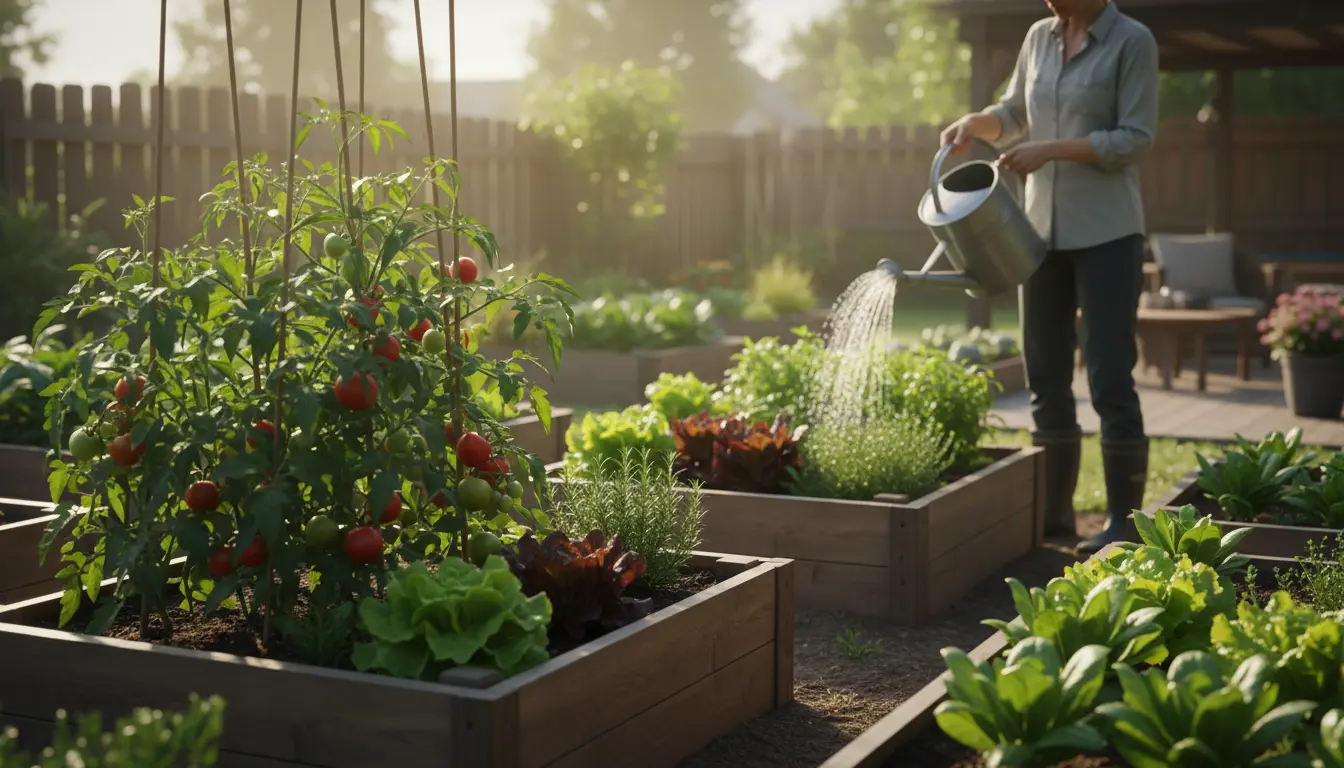
Why vegetable gardening for beginners is a smart start
Vegetable gardening is rewarding, low cost, and scalable for any space. Beginners can get edible results in a single season with basic planning and consistent care.
This guide gives clear, practical steps so you can start planting, avoid common mistakes, and harvest more food from your yard or containers.
Choose the right location for vegetable gardening for beginners
Most vegetables need at least six hours of direct sunlight per day. Check sun patterns in your yard across different times of day before you pick a bed or container spot.
Easy location options include a sunny corner, a raised bed near the house, or a cluster of containers on a south-facing patio.
Checklist for site selection
- Sunlight: 6 to 8 hours for most crops
- Water access: within easy reach of a hose or watering can
- Soil drainage: avoid areas that stay soggy after rain
- Accessibility: paths for weeding and harvesting
Prepare soil and choose the right containers
Good soil is the foundation of success. If you have in-ground beds, loosen the top 8 to 12 inches and mix in compost. For containers, use a high-quality potting mix formulated for vegetables.
Raised beds warm faster in spring and drain well, which helps beginners succeed faster than heavy clay ground.
Soil basics for beginners
- Aim for a loose, crumbly texture
- Mix one third compost into native soil if starting in-ground
- Use potting mix with good drainage for containers
Pick easy vegetables to start with
Begin with low-maintenance, fast-growing vegetables to build confidence. These crops tolerate beginner mistakes and give early rewards.
- Leafy greens: lettuce, spinach, Swiss chard
- Root crops: radishes, carrots (shallow soils only)
- Pod vegetables: peas and bush beans
- Warm-season starters: cherry tomatoes, peppers in containers
Planting schedule and seed vs seedlings
Decide whether to start from seed or buy young plants. Seeds are cheaper and easy for many crops. Seedlings give faster harvests and can be easier for tomatoes and peppers.
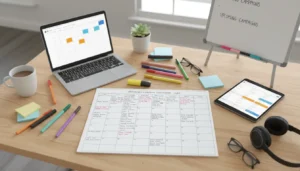
Follow local frost dates. A simple planting calendar based on last frost helps you avoid planting too early.
Example planting timeline
- Early spring: peas, spinach, radishes
- After last frost: tomatoes, peppers, beans
- Succession planting: sow lettuce every 2–3 weeks for continuous harvest
Watering, feeding, and maintenance
Consistent watering matters more than perfect soil. Most vegetables need about 1 inch of water per week, supplied deeply and less frequently to encourage strong roots.
Mulch helps retain moisture and suppress weeds. Use straw, shredded leaves, or compost as a 2 to 3 inch layer around plants.
Fertilizing tips
- Use balanced organic fertilizer at planting if soil is poor
- Side-dress with compost or fish emulsion during peak growth
- Avoid over-fertilizing leafy crops when you want fruiting
Simple pest and disease strategies
Preventive measures beat reactive sprays. Keep plants healthy, rotate crops, and use physical barriers when needed.
- Inspect plants weekly for holes, spots, or wilting
- Use row covers for early-season insect control
- Remove diseased leaves promptly and compost healthy trimmings
Harvesting and storage
Harvest vegetables at peak freshness for best flavor. Pick lettuce outer leaves or whole heads depending on variety. Tomatoes are best when fully colored and slightly soft to the touch.
Store crops in cool, dry conditions and use or preserve excess with freezing, canning, or pickling.
Case study: First-year container gardener
Maria started on a small balcony with four 12-inch containers. She planted basil, cherry tomatoes, lettuce, and bush beans. She placed containers where they received morning sun and used a store-bought potting mix.
Key steps she used were weekly watering, a 1-inch layer of mulch, and feeding with liquid fertilizer every two weeks. By mid-summer she had continuous salads and several pints of cherry tomatoes.
Practical tips to avoid common beginner mistakes
- Don’t overwater: soggy soil causes root rot
- Start small: a few beds or containers are easier to manage
- Label plants: know what you planted and when
- Keep a simple journal: note planting dates and harvests
Many vegetables can be grown in 6 inches of soil. Radishes, lettuces, and herbs thrive in shallow containers, making them perfect for balconies and small spaces.
Next steps for your vegetable gardening for beginners plan
Choose a compact bed or three containers, pick three easy crops, and set a weekly care routine. Simple consistency leads to reliable harvests.
Keep learning from each season and expand as confidence grows. Vegetable gardening is a skill built over time, with practical steps paying off quickly.