
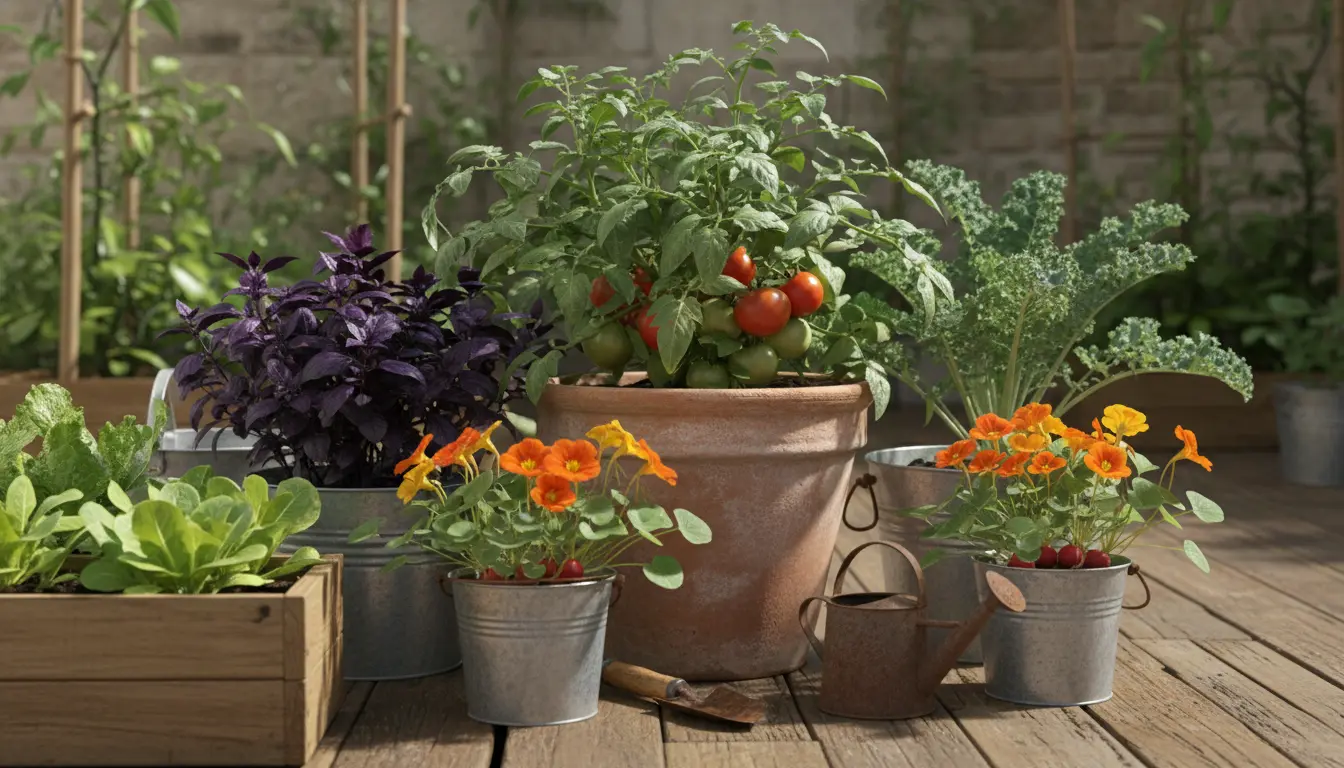
Starting a vegetable garden in small spaces is possible with a bit of planning and the right choices. This guide covers practical steps you can take on a balcony, patio, or tiny yard to grow fresh produce year-round.
Why choose a vegetable garden in small spaces
A vegetable garden in small spaces turns unused corners into productive growing spots. It reduces grocery costs, gives control over how food is grown, and adds greenery to urban homes.
Small-space gardens also require less weeding and can be easier to manage for beginners. You can scale the project to fit your time and budget.
Benefits of a vegetable garden in small spaces
- Fresh produce within reach and better flavor than store-bought crops.
- Lower food miles and reduced packaging waste.
- Therapeutic outdoor activity and improved air quality around the home.
- Flexible options: containers, vertical systems, window boxes, or raised beds.
Planning your vegetable garden in small spaces
Start by assessing sunlight, available space, and water access. Most vegetables need 6 hours of direct sun, so note where bright light falls throughout the day.
Decide on the gardening method: containers, vertical trellises, hanging baskets, or a combination. Each method has different space and weight needs.
Key planning checklist
- Measure available area and determine load limits for balconies.
- Record daily sunlight hours and choose crops accordingly.
- Plan for watering—self-watering pots or drip lines reduce daily effort.
- Choose soil suitable for containers rather than garden soil.
Best vegetables for a vegetable garden in small spaces
Select crops that perform well in containers and mature quickly. Leafy greens, herbs, and compact fruiting plants are reliable choices.
Use varieties labeled “bush,” “patio,” or “compact” for tighter spaces.
Top crops and simple tips
- Lettuce and salad greens: Fast to harvest and good for succession planting.
- Cherry tomatoes (determinate or patio types): Use stakes or small cages.
- Herbs (basil, parsley, chives): Great in small pots or window boxes.
- Radishes and carrots (short varieties): Need deep, loose soil in pots.
- Peppers: Compact pepper varieties produce well in medium pots.
Step-by-step setup for a vegetable garden in small spaces
Follow these steps to set up a productive small-space garden. Each step focuses on simplicity and reducing common mistakes.
Setup steps
- Choose containers: Use pots at least 8–12 inches deep for most crops; larger for tomatoes and peppers.
- Select potting mix: Pick a lightweight, well-draining mix with compost or slow-release fertilizer.
- Plan layout: Place taller plants at the back and trailing or low plants in front or on edges.
- Sow or transplant: Follow seed packet spacing and plant depth. Space for airflow to reduce pests.
- Water thoroughly: Moisten the entire root zone. Top-up watering daily in hot weather or use self-watering containers.
- Mulch and support: Add a light mulch to retain moisture and use small trellises for climbing plants.
Care and maintenance for a vegetable garden in small spaces
Maintenance for small-space gardens is manageable when done consistently. Focus on watering, feeding, and monitoring pests.
Short maintenance sessions once or twice a week keep plants healthy and productive.
Practical care tips
- Water early morning for best uptake and disease prevention.
- Feed with a balanced liquid feed every 2–4 weeks during the growing season.
- Inspect for pests and remove affected leaves promptly.
- Rotate crops or change container soil each season to reduce disease risk.
Simple real-world example
Case study: A one-bedroom apartment balcony was converted into a vegetable garden using five medium pots and one vertical trellis. The gardener chose two cherry tomato plants, three herb pots, and a mixed salad bowl planted with lettuce and radishes.
Within eight weeks, the balcony produced weekly salads and a steady supply of cherry tomatoes. The gardener used a drip-watering system and swapped soil annually, keeping the setup productive for two seasons so far.
Some compact tomato varieties produce full-size harvests in 3–4 plants, making them ideal for balconies and small patios.
Quick troubleshooting for a vegetable garden in small spaces
If leaves yellow, check watering and nutrient levels. Stunted growth may indicate root-bound plants; upsize the container when necessary.
For persistent pests, try hand-picking, insecticidal soap, or introducing beneficial insects like ladybugs in small gardens.
Final checklist for starting your vegetable garden in small spaces
- Measure space and sunlight
- Choose containers and potting mix
- Pick compact crop varieties
- Set up watering and support structures
- Maintain with regular feeding and pest checks
With basic planning and consistent care, a vegetable garden in small spaces can supply fresh produce and brighten your home. Start small, learn from each season, and expand as you gain confidence.