
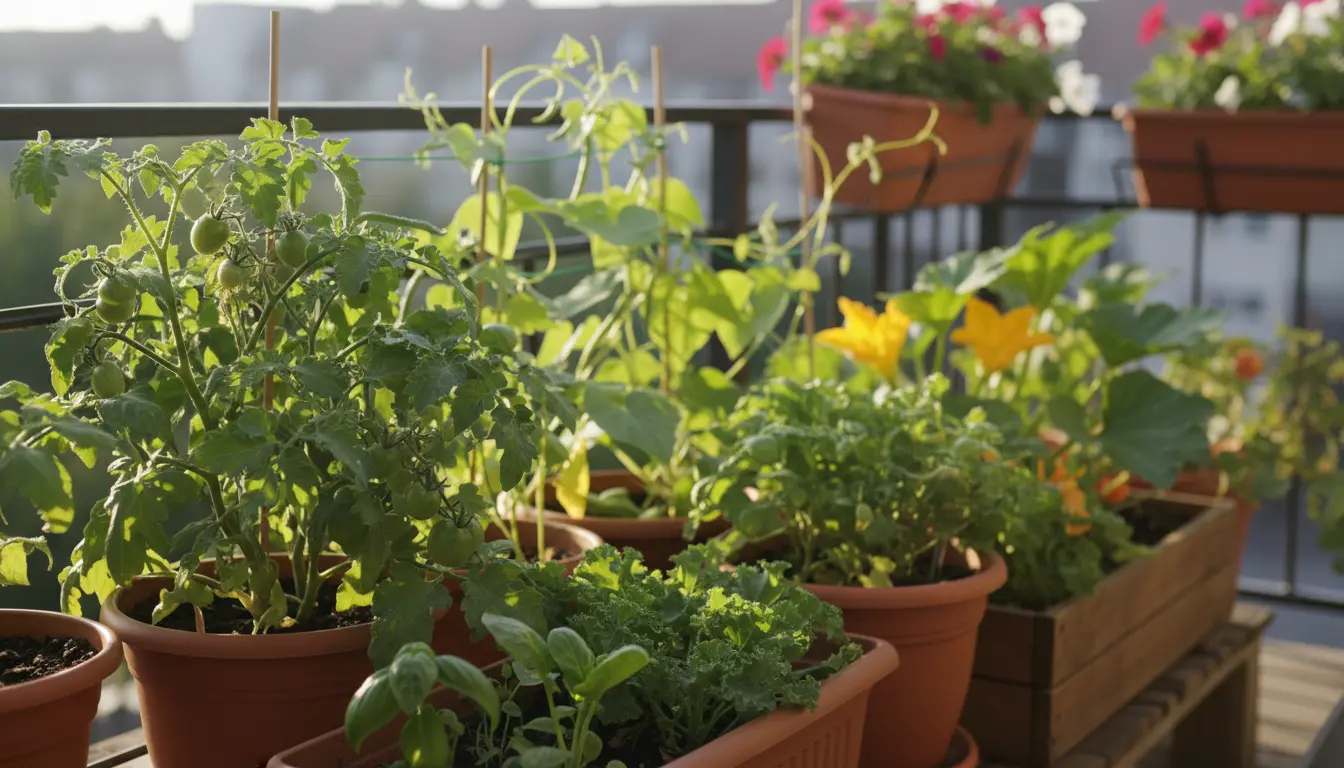
Growing vegetables in a small area is practical and rewarding. This guide gives step-by-step instructions to start a productive vegetable garden even if you have only a balcony, patio, or tiny yard.
Why choose a vegetable garden in small spaces
Vegetable gardens in small spaces use less time and money than full-size beds. They make fresh produce accessible and reduce grocery trips.
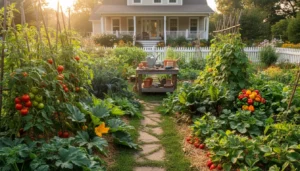
Small-space gardening is adaptable. You can grow vertically, use containers, and select compact varieties suited to limited room.
Benefits of a small vegetable garden
Benefits include fresher food, lower food miles, and a hands-on hobby that fits urban life. Even a few pots can yield herbs, salad greens, and cherry tomatoes.
Planning your small vegetable garden
Good planning prevents wasted effort. Start by assessing sunlight, space, and access to water.
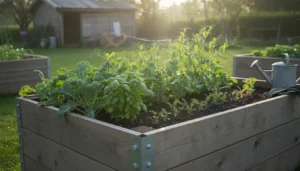
Measure the area and list constraints like weight limits on balconies or wind exposure. Note the hours of sun each day for the location where you plan to garden.
Key planning elements for a vegetable garden
- Sunlight: Most vegetables need 6+ hours of sun.
- Containers: Choose sizes appropriate to plant root systems.
- Soil mix: Use a high-quality potting mix with compost.
- Water access: Plan for easy watering with a watering can or hose.
- Support: Include trellises for vining crops to save space.
How to start a vegetable garden in small spaces: Step-by-step
This practical sequence helps beginners set up a reliable small vegetable garden.
Step 1: Choose containers and layout
Select containers with good drainage. Use deep pots (12 inches or more) for root crops and medium pots for herbs and greens.
Group containers to create microclimates and simplify watering.
Step 2: Pick the right soil
Fill containers with a loose, well-draining potting mix. Mix in 20–30% compost for nutrients and structure.
Avoid using garden soil in pots; it compacts and limits root growth.
Step 3: Select vegetables for small spaces
Choose compact or dwarf varieties labeled for containers. Good options include:
- Leafy greens: lettuce, spinach, arugula
- Herbs: basil, parsley, chives
- Compact fruits: cherry tomatoes, patio peppers
- Root crops: radishes, baby carrots
- Vining crops trained vertically: pole beans, cucumbers
Step 4: Planting and spacing
Follow seed packet or plant tag spacing but remember container spacing can be slightly closer. Succession planting keeps harvests steady.
Use vertical supports to multiply planting area and reduce crowding in pots.
Step 5: Watering and feeding
Containers dry faster than garden beds. Check pots daily in warm weather and water until excess drains from holes.
Feed plants with a balanced liquid fertilizer every 2–4 weeks or use slow-release granules at planting.
Maintenance tips for your vegetable garden
Consistent, small tasks keep the garden productive. Make a weekly checklist for watering, harvesting, and pest checks.
Common maintenance tasks
- Harvest regularly to encourage more growth.
- Pinch back herbs to prevent flowering and improve flavor.
- Inspect leaves for pests and remove affected leaves early.
- Top-dress pots with compost mid-season to replenish nutrients.
Many tomato and pepper varieties bred for container growing produce as much fruit per plant as full-size types, while using far less space.
Practical examples and troubleshooting
If seedlings are leggy, they need more light or cooler temperatures. Yellow lower leaves often indicate overwatering or poor drainage.
To boost pollination for container fruiting plants, shake flowers gently or place small pollinator-friendly plants nearby.
Simple supplies list for a small vegetable garden
- Containers (varied sizes)
- Quality potting mix and compost
- Slow-release fertilizer or liquid feed
- Watering can or hose with a gentle nozzle
- Trellis or stakes for vining plants
Small real-world case study
Case: A two-person household in a city apartment used a 6×3 foot balcony to set up a container vegetable garden. They installed three 12-inch deep planters, two hanging baskets, and a vertical trellis.
In one growing season they harvested fresh salad greens twice a week, three harvests of cherry tomatoes, and multiple batches of herbs. Initial costs were about $120 and the garden returned produce valued at roughly $200 across the season, plus the satisfaction of fresh homegrown food.
Final tips to start a vegetable garden in small spaces
Start small, learn each season, and expand what works. Focus on high-yield, easy crops first and adjust plant choices based on your microclimate.
With basic planning and regular care, a compact vegetable garden can supply fresh flavors and meaningful savings.