
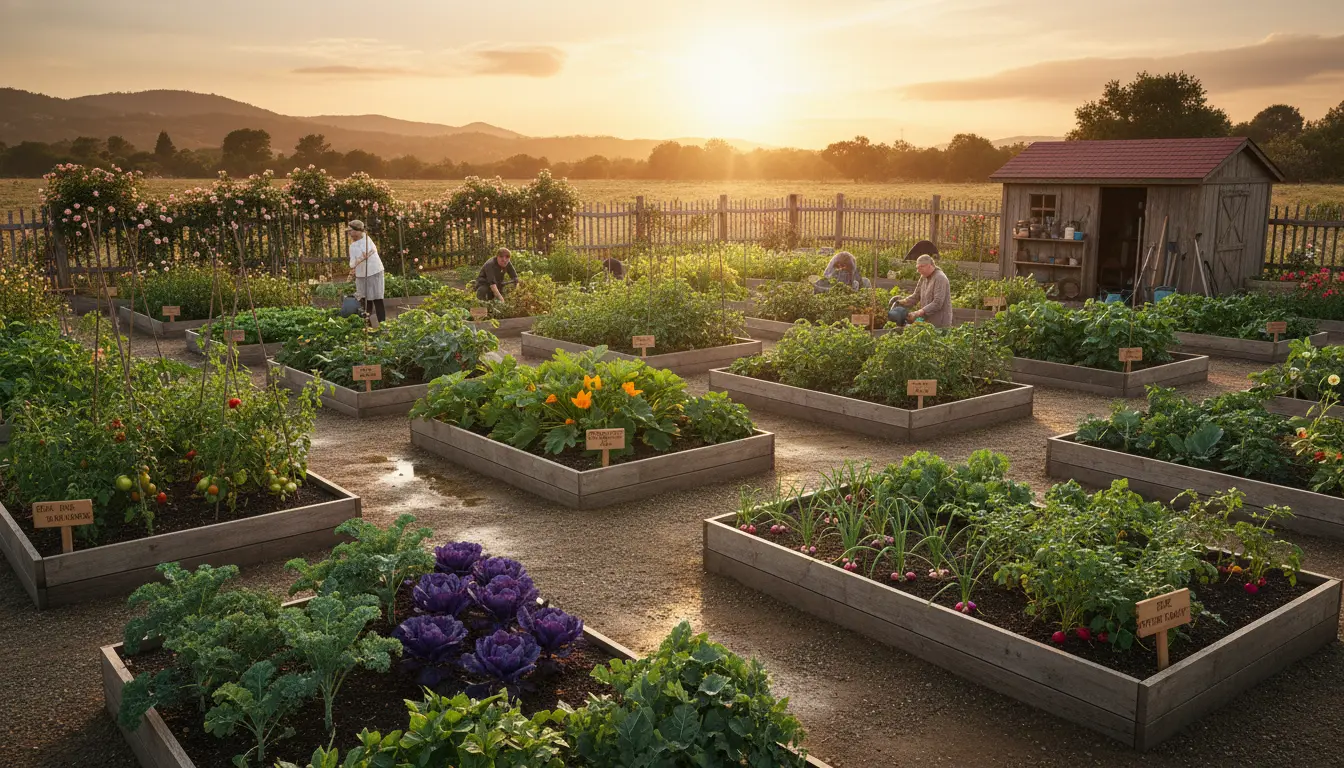
How to Start a Vegetable Garden: First Steps
Starting a vegetable garden is practical and rewarding. This guide explains clear steps you can use whether you have a backyard or a few containers on a balcony.
Decide Why You Want a Vegetable Garden
First, list your goals: fresh produce, cost savings, kids’ education, or soil improvement. Your goals affect plant choices, size, and maintenance.

Be realistic about time. Most small gardens need 30–60 minutes a week for basic care during the growing season.
Choose the Right Location for a Vegetable Garden
Sunlight is the most important factor. Most vegetables need 6–8 hours of direct sun daily. Observe potential spots for a few days to record sun exposure.
Consider access to water and wind protection. Place beds near a water source and shield them from strong winds if possible.
Use These Site Tips
- Select a flat or gently sloped area for good drainage.
- Avoid areas with heavy tree root competition.
- If space is limited, choose containers or raised beds.
Prepare Soil and Beds Before Planting
Vegetables prefer fertile, well-drained soil. Most garden soils benefit from organic matter and basic nutrients.
Test your soil with a home test kit or send a sample to a local extension service. Adjust pH and nutrients according to results.
Soil Preparation Steps
- Remove weeds and large debris from the site.
- Add 2–4 inches of compost and work it into the top 6–8 inches of soil.
- For heavy clay, add coarse sand and organic matter to improve drainage.
Pick Vegetables to Grow
Start with easy, productive crops. Choose vegetables suited to your climate and season.
Here are beginner-friendly options:
- Tomatoes, peppers, and cucumbers (warm-season)
- Lettuce, spinach, and radishes (cool-season)
- Beans and zucchini (fast growers, high yield)
Plan Layout and Spacing
Follow seed packet or plant tag spacing to avoid crowding. Group plants by water needs and sun requirements to make care simpler.
Use rows, raised beds, or square-foot gardening to maximize space and reduce weeding.
Planting: Seeds vs. Transplants
Sow seeds directly for root crops and fast growers. Use transplants for tomatoes, peppers, and long-season crops to get a head start.
Label rows and keep a planting calendar. Note frost dates to schedule plantings correctly in your area.
Watering and Mulching
Water deeply and less frequently to encourage strong roots. Most vegetable gardens need about 1 inch of water per week, more in hot weather.
Apply 2–3 inches of organic mulch to conserve moisture, suppress weeds, and moderate soil temperature.
Pest and Disease Management
Use an integrated approach: prevention, monitoring, and targeted control. Healthy plants resist pests better than stressed ones.
- Rotate crops each year to reduce soil-borne diseases.
- Use row covers to protect young plants from insects.
- Handpick pests or use insecticidal soap for small outbreaks.
Organic and Chemical Options
Start with cultural controls and physical barriers. Use pesticides only when other methods fail, and follow label directions closely.
Neem oil and horticultural soaps can control many common pests with lower environmental impact.
Maintenance and Seasonal Care
Regular tasks include watering, weeding, harvesting, and checking for signs of stress. Keep a garden journal to track what works and what doesn’t.
In late season, clean up plant debris and add compost to beds to build soil for next year.
Succession Planting and Extending Harvests
To increase yield, practice succession planting: sow cool-season crops after an early crop finishes. Use cold frames or row covers to extend the season into fall or early spring.
Common Troubleshooting
Yellow leaves can indicate nutrient deficiency or overwatering. Wilting may mean underwatering or root damage.
Slow growth in seedlings often results from low light or cold soil. Move containers to warmer, sunnier spots when needed.
Companion planting, such as growing basil near tomatoes, can improve flavor and deter some pests. Simple plant pairings can boost garden health without chemicals.
Small Case Study: A Beginner’s Backyard Success
Maria converted a 10×10 ft corner of her suburban yard into raised beds. She started with soil tests and added compost, then planted tomatoes, lettuce, and bush beans.
Within one season she harvested steady salad greens and several tomato batches. Her weekly time investment was about 45 minutes, mainly for watering and harvesting. She plans to expand by adding a trellis and a small herb bed next year.
Quick Checklist to Start a Vegetable Garden
- Choose a sunny site near water
- Test and improve soil with compost
- Select beginner-friendly vegetables for your season
- Decide on seeds or transplants
- Mulch, water deeply, and monitor pests
Starting a vegetable garden requires some planning but delivers steady rewards. Follow these steps, keep records, and adjust each season to improve yields and reduce effort.