
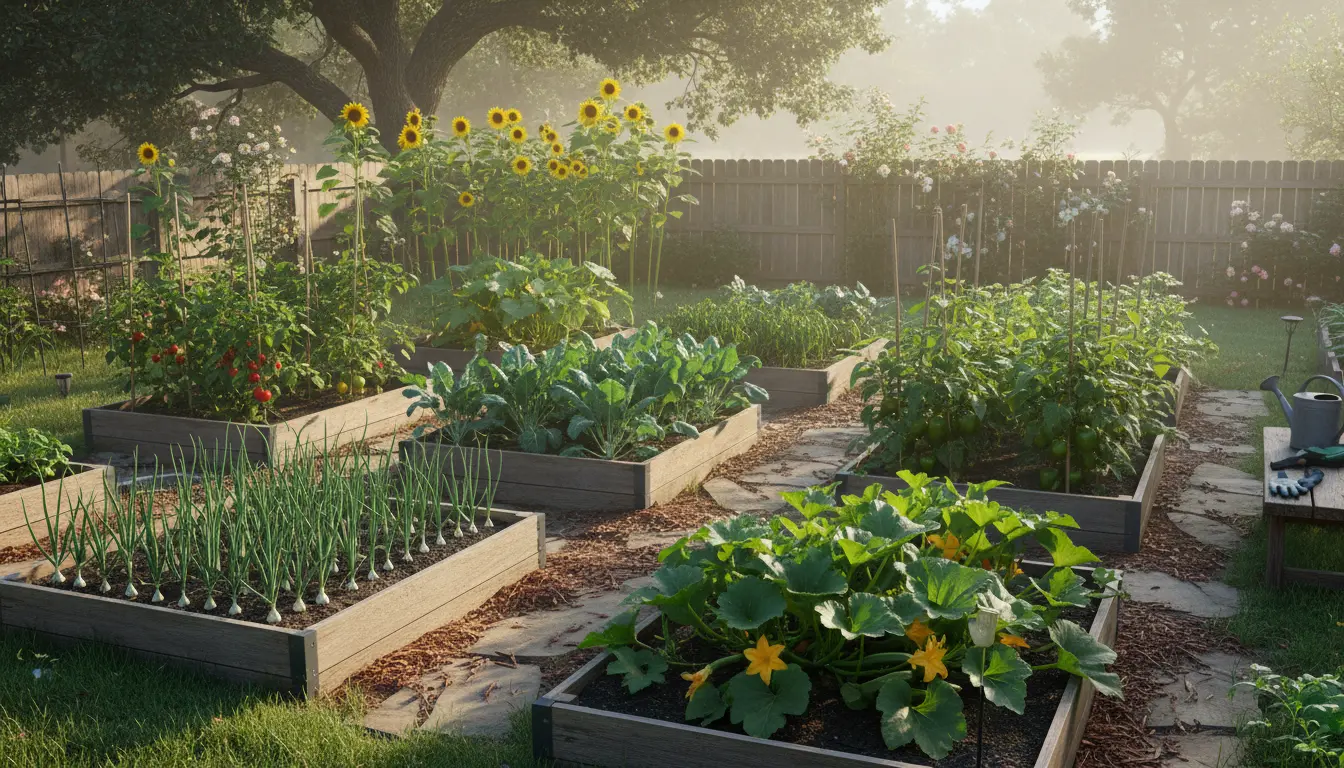
Why start a vegetable garden at home
Growing vegetables at home saves money, improves food quality, and connects you with the seasons. It also provides regular physical activity and can reduce food miles.
This guide explains how to start a vegetable garden at home with practical steps you can follow, whether you have a yard, balcony, or community plot.
Plan before you start a vegetable garden
Planning reduces mistakes and improves yields. Start by choosing the right site, selecting crops, and deciding on beds or containers.
Answer these questions before you dig:
- How much sun does the space get? Aim for at least 6 hours of direct sun for most vegetables.
- Do you prefer raised beds, in-ground beds, or containers?
- How much time can you spend on watering, weeding, and harvesting?
Site selection to start a vegetable garden
Sunlight and drainage are the two most important site factors. Most vegetables need full sun and well-draining soil.
Look for a flat or gently sloping area near a water source. Avoid low spots that stay wet after rain.
Sun and shade
Track sun patterns for a day. Note areas with morning sun versus afternoon shade. Leafy greens tolerate more shade than tomatoes or peppers.
Access and convenience
Place the garden within easy reach of your kitchen and water supply. Convenience increases the chance you will maintain the garden.
Soil preparation when you start a vegetable garden
Healthy soil is the foundation of a productive garden. Test, loosen, and enrich soil before planting.
Steps to prepare soil:
- Get a basic soil test for pH and nutrients from a local extension service.
- Loosen compacted soil to at least 8–12 inches with a fork or tiller.
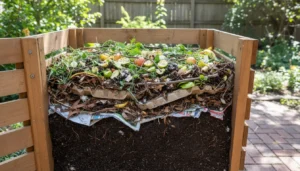
- Add organic matter like compost or aged manure to improve structure and fertility.
Raised beds and containers
Raised beds are ideal if your native soil is poor or you need better drainage. Use a mix of topsoil, compost, and a small amount of sand or perlite for containers.
Choosing what to plant in your vegetable garden
Select crops that match your climate, season, and skill level. Beginners benefit from fast-growing, low-maintenance vegetables.
- Easy starters: lettuce, radishes, green beans, cherry tomatoes, zucchini
- Higher effort: cabbage, corn, potatoes, peppers
- Herbs: basil, parsley, chives are low-maintenance and useful in the kitchen
Plant varieties labeled as disease-resistant and suited to your USDA hardiness zone for best results.
Planting and spacing to start a vegetable garden
Follow seed packet instructions or plant tags for depth and spacing. Crowding reduces airflow and increases disease risk.
Use staggered planting (succession planting) to extend harvests. For example, sow a new row of lettuce every two weeks.
Watering basics
Most vegetable gardens need about 1 inch of water per week. Water deeply and less often to encourage strong roots.
Use soaker hoses or drip irrigation to reduce evaporation and keep foliage dry, which lowers disease risk.
Maintenance and pest management
Regular tasks include weeding, mulching, monitoring for pests, and supporting plants like tomatoes with stakes or cages.
Integrated pest management (IPM) favors prevention and low-toxicity controls:
- Encourage beneficial insects with diverse plantings and flowers.
- Use row covers to protect young plants from insect damage.
- Handpick larger pests like slugs and caterpillars, or use traps when needed.
Fertilizing and feeding
Feed plants based on soil test recommendations. Compost tea or balanced organic fertilizer applied during the season keeps growth steady.
Harvesting and rotating crops
Harvest vegetables at peak ripeness for best flavor and to encourage continued production. Pick regularly—many plants keep producing if harvested.
Practice crop rotation each year to reduce pest buildup and nutrient depletion. Move families (e.g., nightshades, brassicas, legumes) to different beds annually.
Legumes like beans and peas fix nitrogen in the soil, reducing the need for synthetic fertilizers for the following crops.
Simple case study: a small home vegetable garden
Case: Sarah, a beginner in Portland, converted a 10 x 6 ft sunny strip into two raised beds. She filled beds with a 50/50 mix of compost and topsoil and planted tomatoes, lettuce, bush beans, and basil.
In her first season she spent 3 hours weekly on watering and weeding. By midsummer she harvested enough lettuce for weekly salads and several pints of cherry tomatoes per week.
Key outcomes: small space, regular maintenance, and succession planting delivered steady fresh produce and taught basic garden timing.
Quick starter checklist to start a vegetable garden
- Choose your site with 6+ hours of sun and good drainage.
- Decide raised beds or containers if soil is poor.
- Test soil, add compost, and loosen to 8–12 inches.
- Select easy crops and disease-resistant varieties.
- Set up watering system: soaker hose or watering can.
- Mulch to retain moisture and reduce weeds.
- Monitor regularly and harvest often.
Final tips when you start a vegetable garden
Start small and expand after you gain confidence. Keep a simple journal to note planting dates, successes, and pests. Local extension services and community gardens are excellent sources of region-specific advice.
With a practical plan and regular care you can start a vegetable garden at home and enjoy fresh produce through the season.