
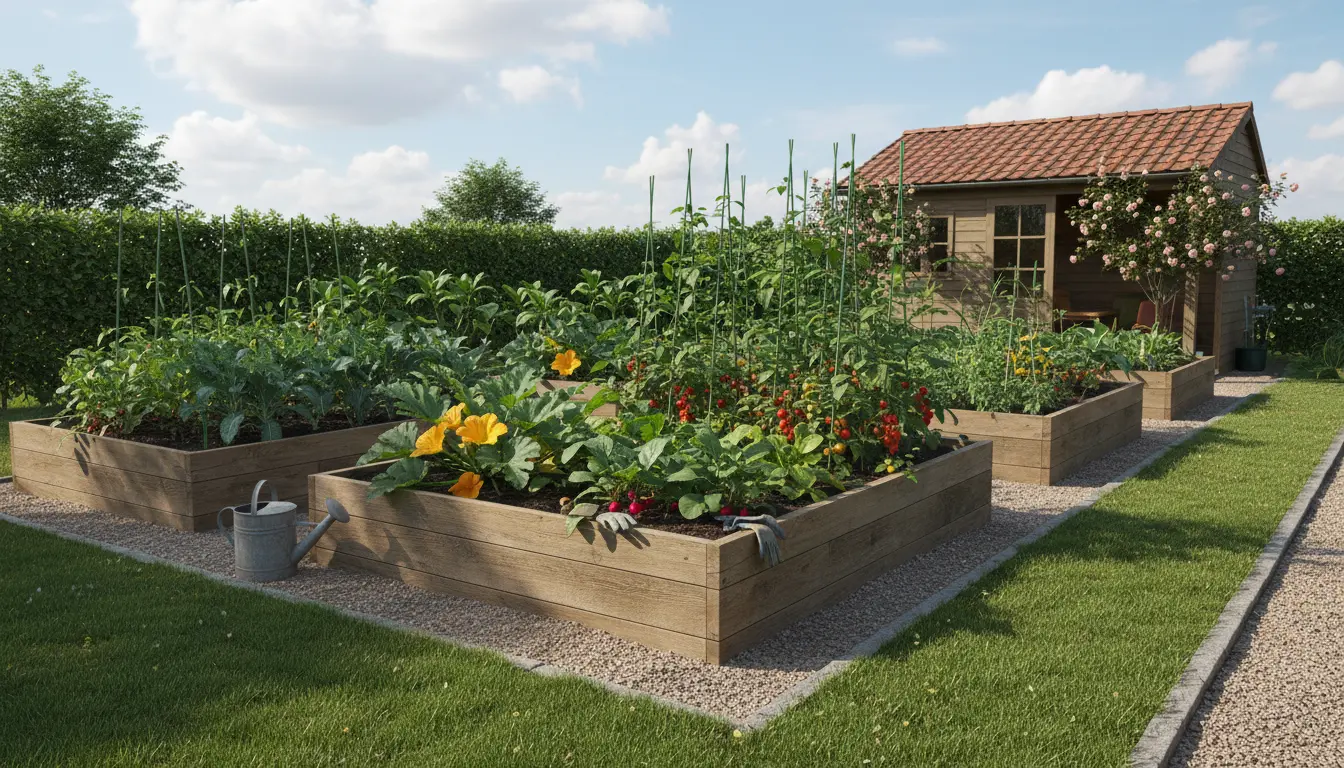
Why Start a Vegetable Garden at Home
Growing your own vegetables saves money, improves diet quality, and reduces food miles. A home vegetable garden also gives hands-on learning opportunities and greater control over how food is grown.
Plan Your Vegetable Garden
Begin by choosing the right location for your vegetable garden. Most vegetables need 6–8 hours of direct sunlight per day, good drainage, and easy access to water.

Sketch a simple plan showing beds, paths, and sun exposure. Consider the scale you can realistically maintain: a 10×10 foot plot is a manageable starting point for many beginners.
Site Selection Tips for Your Vegetable Garden
- Pick a sunny spot with at least 6 hours of sunlight.
- Avoid low spots where water pools after rain.
- Place the garden near a water source and compost area.
Prepare Soil for a Vegetable Garden
Soil quality determines how well plants grow. Test soil pH and texture using a home test kit or a local extension service.
Remove weeds and debris, then loosen soil to a depth of 8–12 inches for most vegetables. If your soil is compacted or poor, consider raised beds filled with a mix of topsoil, compost, and well-draining material.
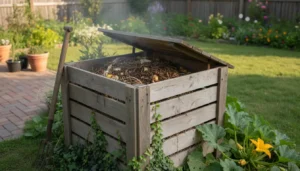
Improve soil fertility by adding 2–3 inches of compost and mixing it in. Compost provides nutrients and improves soil structure, which helps roots develop evenly.
Soil Preparation Checklist
- Test pH; aim for 6.0–7.0 for most vegetables.
- Add compost or aged manure to boost organic matter.
- Work the soil to remove rocks and break up clumps.
Choose Vegetables for Your Garden
Select crops based on climate, season, and how much you and your family will eat. Start with easy, productive crops like tomatoes, lettuce, beans, and radishes.
Consider plant spacing and maturity time. Fast-growing crops like leafy greens and radishes can fit between slower-growing plants, maximizing space.
Planting Suggestions for Small Spaces
- Vertical: trellis peas, beans, cucumbers to save ground space.
- Succession planting: sow small amounts every 2–3 weeks to extend harvests.
- Companion planting: pair basil with tomatoes to make efficient use of space.
Planting and Watering Your Vegetable Garden
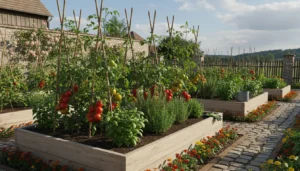
Follow seed packet or plant label instructions for depth and spacing. Transplant seedlings after hardening them off for a week to reduce shock.
Water deeply and less often to encourage deep root growth. Most vegetables need about 1–1.5 inches of water per week; adjust for rainfall and soil type.
Watering Best Practices
- Use drip irrigation or soaker hoses to reduce evaporation.
- Water at the base to keep foliage dry and prevent disease.
- Mulch with straw or shredded leaves to retain moisture and suppress weeds.
Maintain and Protect Your Vegetable Garden
Routine care keeps plants productive. Remove weeds, check for pests daily, and thin crowded seedlings to improve air circulation.
Handle common pests with targeted measures: hand-pick larger pests, use floating row covers early in the season, and apply organic controls like insecticidal soap when necessary.
Fertilizing and Crop Rotation
Side-dress with compost or a balanced organic fertilizer during the growing season. Rotate crop families each year to reduce disease and nutrient depletion.
Harvesting and Storing Vegetables
Harvest vegetables at peak ripeness for best flavor and to encourage continued production. Regular picking of crops like beans and zucchini keeps plants producing.
Store harvests properly: cool leafy greens quickly, keep root crops in a cool, humid spot, and refrigerate perishable items to extend shelf life.
A well-managed 100 square foot vegetable garden can produce hundreds of pounds of vegetables in a single season, depending on crop choice and care.
Small Case Study: A Balcony Vegetable Garden
Case: Maria, a city renter, used three 12-inch deep containers on her sunny balcony to grow tomatoes, basil, and leaf lettuce. She chose compact tomato varieties suited to pots and used a quality potting mix with compost.
With consistent watering and monthly feeding, Maria harvested fresh salad greens weekly and two rounds of small tomatoes over the summer. Her setup demonstrated that even limited space can provide meaningful yields.
Common Mistakes and Quick Fixes for Vegetable Gardens
- Overwatering: Reduce frequency and water deeply to encourage roots to grow down.
- Poor soil: Add compost and use raised beds to improve conditions quickly.
- Planting too close: Thin seedlings and follow spacing guidelines to reduce disease.
Final Tips to Keep Your Vegetable Garden Productive
Start small and expand once you gain confidence. Keep a simple garden journal to track planting dates, varieties, and pest or disease incidents.
Learn from each season and adjust planting plans based on what worked. With basic planning and regular care, your home vegetable garden will reward you with fresher, tastier food and useful gardening skills.