
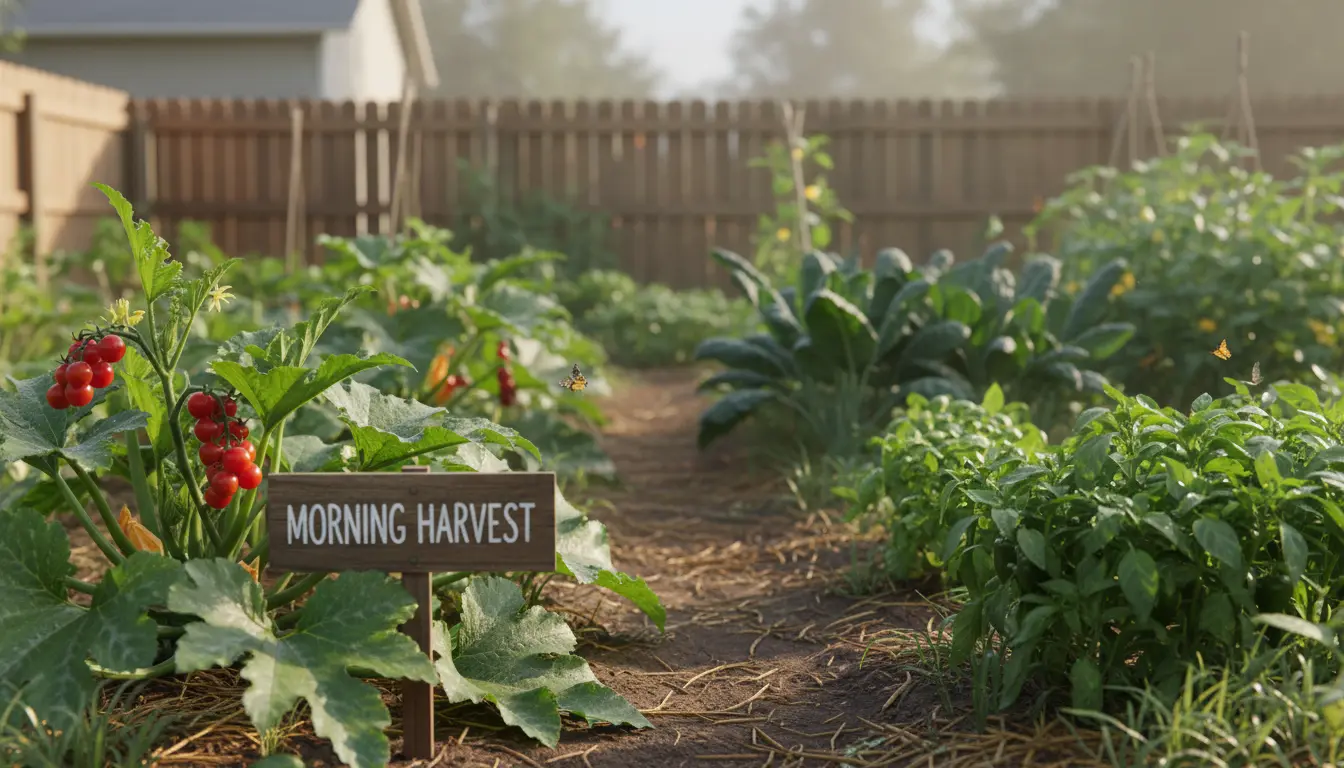
How to Start a Vegetable Garden: Planning
Starting a vegetable garden begins with simple planning. Decide what you want to grow, how much time you can commit, and where the garden will go.
Write a short plan listing desired crops, expected harvest times, and a rough schedule for planting and maintenance.
Choose Your Goals and Space
Be realistic about goals. Do you want fresh herbs, salad greens, or a full vegetable plot that feeds a family?
Measure the available space. Even a 4×4 foot bed or a few containers on a balcony can produce meaningful yields.
How to Start a Vegetable Garden: Site Selection
Location strongly affects success. Most vegetables need 6–8 hours of direct sun each day.
Also check soil drainage, wind exposure, and access to water when choosing the spot.
Sunlight and Microclimates
Observe the chosen site across different times of day to track sun patterns. Use plants that match the microclimate.
Examples: leafy greens tolerate partial shade, while tomatoes and peppers need full sun.
How to Start a Vegetable Garden: Soil and Bed Preparation
Good soil is the foundation of a productive garden. Test and amend soil to support healthy plant growth.
Raised beds or in-ground rows both work; choose based on budget, soil quality, and mobility needs.
Test and Improve Soil
Use a simple soil test kit or send a sample to a local extension for pH and nutrient analysis.
- Adjust pH if needed: most vegetables prefer pH 6.0–7.0.
- Add compost to improve structure and fertility.
- Work in aged manure or balanced organic fertilizer if tests show nutrient gaps.
How to Start a Vegetable Garden: Choosing Plants and Timing
Select crops that fit your climate and season. Start with easy, reliable vegetables to build confidence.
Consider succession planting to spread harvests over weeks instead of one short period.
Beginner-Friendly Crops
- Leafy greens: lettuce, spinach, chard
- Root vegetables: carrots, radishes, beets
- Easy fruiting plants: bush tomatoes, bush beans, zucchini
- Herbs: basil, parsley, chives
How to Start a Vegetable Garden: Planting and Watering
Plant at the right time and give new plants consistent moisture until established. Mulch to conserve water and reduce weeds.
Use planting charts or seed packet dates to know the first and last frost dates in your area.
Watering Basics
Water deeply and less frequently to encourage strong roots. Aim for 1–1.5 inches of water per week, adjusting for rainfall.
Drip irrigation or soaker hoses deliver efficient moisture to the root zone and reduce leaf wetness that can cause disease.
How to Start a Vegetable Garden: Maintenance
Routine tasks keep the garden productive: weeding, pruning, monitoring pests, and replenishing mulch.
Set aside 15–30 minutes several times a week during peak season for quick checks and small tasks.
Pest and Disease Management
Inspect plants regularly for signs of pests or disease. Early detection prevents larger problems.
Use integrated pest management: hand-pick pests, use barriers, encourage beneficial insects, and apply targeted organic controls when needed.
How to Start a Vegetable Garden: Harvesting and Storage
Harvest vegetables when they are ripe to enjoy peak flavor and encourage continued production.
Learn proper harvest methods for each crop to avoid damaging plants and to maximize yield.
Simple Storage Tips
- Leafy greens: cool and dry in the refrigerator for up to a week.
- Tomatoes: store at room temperature away from direct sun until ripe.
- Root vegetables: trim tops and store in cool, dark, slightly humid conditions.
Many vegetables need only 6 hours of sun to produce well; planting near taller sun-loving crops can provide partial shade for heat-sensitive greens.
Small Case Study: A Backyard Raised Bed
Maria started a 4×8 raised bed in her small backyard to grow vegetables for her family. She chose a sunny site and mixed compost into purchased topsoil before filling the bed.
In the first season she planted lettuce, bush tomatoes, bush beans, and basil. With regular watering and mulching, she harvested salads and herbs through summer and had excess beans to freeze.
Her key lessons: start small, choose easy crops, and keep a simple maintenance routine.
Quick Checklist to Start a Vegetable Garden
- Choose location with adequate sun and water access.
- Decide on bed type: raised or in-ground.
- Test and improve soil with compost and amendments.
- Select beginner-friendly crops suited to your season.
- Plant at correct times and mulch to retain moisture.
- Monitor pests, prune, and harvest regularly.
Starting a vegetable garden is achievable with basic planning and consistent care. Begin with a small, manageable area, learn from each season, and expand as your confidence grows.