
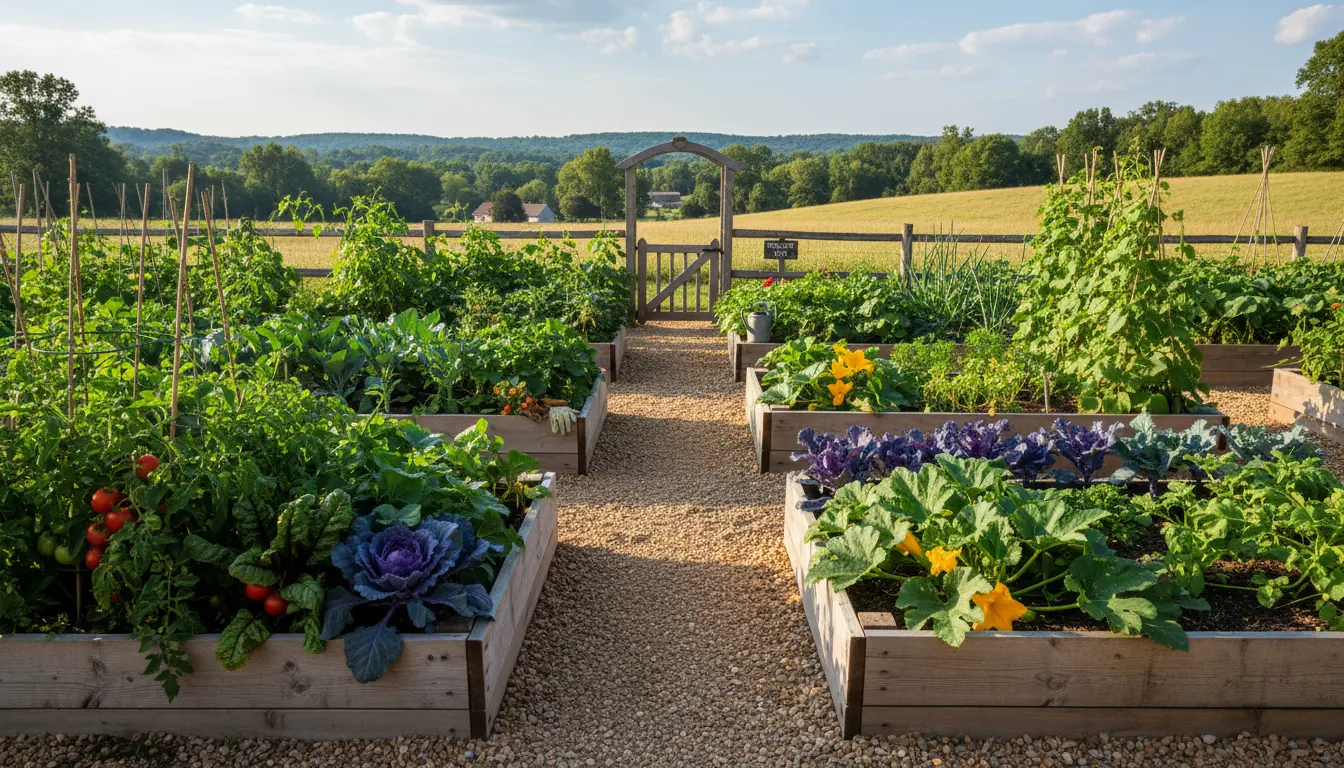
Overview: Start a Vegetable Garden with Confidence
Starting a vegetable garden can be straightforward when you follow a clear plan. This guide covers the essential steps to get a productive vegetable garden in your yard or containers.
Plan Before You Start a Vegetable Garden
Good planning reduces wasted time and effort. Decide what you want to grow, how much space you have, and how much time you can commit.
- List favorite vegetables and those that grow well in your climate.
- Choose between in-ground beds, raised beds, or containers.
- Estimate sunlight, water access, and soil type.
Choose Easy Vegetables to Start a Vegetable Garden

For first-time gardeners, start with fast-growing, low-maintenance crops. These give quick wins and build confidence.
- Leafy greens: lettuce, spinach, Swiss chard.
- Root crops: radishes, carrots (short varieties).
- Nightshades and beans: cherry tomatoes, bush beans (with more care).
Pick the Best Location for a Vegetable Garden
Sunlight matters most. Most vegetables need 6–8 hours of direct sun daily. Observe your yard for sun patterns across seasons.
Also consider access to water and proximity to the house. A location near a faucet saves time when watering.
Soil and Drainage Tips When You Start a Vegetable Garden
Good soil supports healthy plants. Aim for loose, well-drained soil with organic matter.
- Test pH: most vegetables prefer pH 6.0–7.0.
- Add compost to improve texture and fertility.
- Fix drainage issues by raising beds or amending soil with sand and compost.
Prepare and Improve Soil for Your Vegetable Garden
Preparing soil before planting saves work later. Remove weeds and loosen the top 12 inches of soil.
Mix in 2–4 inches of compost and a handful of balanced granular fertilizer if needed. Let amended soil settle for a week if possible.
Simple Soil Test and Amendments
Do a basic soil test using a home kit or local extension service. Adjust based on results.
- Low nitrogen: add composted manure or a nitrogen-rich organic fertilizer.
- Low phosphorus: use bone meal or rock phosphate sparingly.
- Low potassium: add wood ash or potassium sulfate in small doses.
Planting: Seeds vs. Seedlings in Your Vegetable Garden
Decide whether to start from seed or buy transplants. Seeds are cheaper; transplants give a head start.
Follow spacing and depth instructions on seed packets or plant tags. Overcrowding reduces yields and increases disease risk.
Succession Planting for Continuous Harvests
Stagger plantings of fast crops like lettuce and radishes every 2–3 weeks. This extends harvest periods without needing more space.
- Plant lettuce in early spring and again in late summer for fall crops.
- Sow bush beans every 3–4 weeks during warm months.
Watering and Mulching Your Vegetable Garden
Consistent moisture is key. Water deeply and less often rather than shallow, frequent watering.
Use mulch to retain moisture, suppress weeds, and regulate soil temperature. Organic mulches also add nutrients as they break down.
Basic Pest and Disease Management
Watch plants regularly and remove pests by hand when possible. Encourage beneficial insects like ladybugs.
- Use row covers to protect young plants from insects.
- Practice crop rotation to reduce disease buildup.
- Use disease-resistant varieties when available.
Harvesting and Storing from Your Vegetable Garden
Harvest at peak ripeness for best flavor and nutrition. Pick frequently to encourage more production.
Store vegetables properly: cool and dry for root crops, refrigerated for leafy greens, and room temperature for tomatoes until ripe.
Vegetable gardens with raised beds can warm faster in spring and improve drainage, leading to earlier planting and often higher yields.
Small Case Study: A Backyard Vegetable Garden Success
Case study: A two-family household converted a 10 ft x 6 ft unused lawn strip into two raised beds. They chose lettuce, radishes, cherry tomatoes, and bush beans.
After mixing compost and planting in spring, they used drip irrigation and organic mulch. By mid-summer they harvested weekly salads and froze extra beans for winter.
Key results: quick return on effort, improved seasonal produce availability, and reduced grocery trips for fresh greens.
Maintenance Checklist for Your Vegetable Garden
Keep a short routine to maintain productivity. Spend 15–30 minutes, 2–3 times a week during the growing season.
- Check soil moisture and water deeply when needed.
- Remove weeds and inspect for pests.
- Harvest regularly and rotate crops each season.
Final Tips to Start a Vegetable Garden
Start small and expand as you learn what grows well in your space. Track what works and what doesn’t each season.
Join local gardening groups or consult extension services for regional advice. With simple care and consistent observation, your vegetable garden will become more productive each year.