
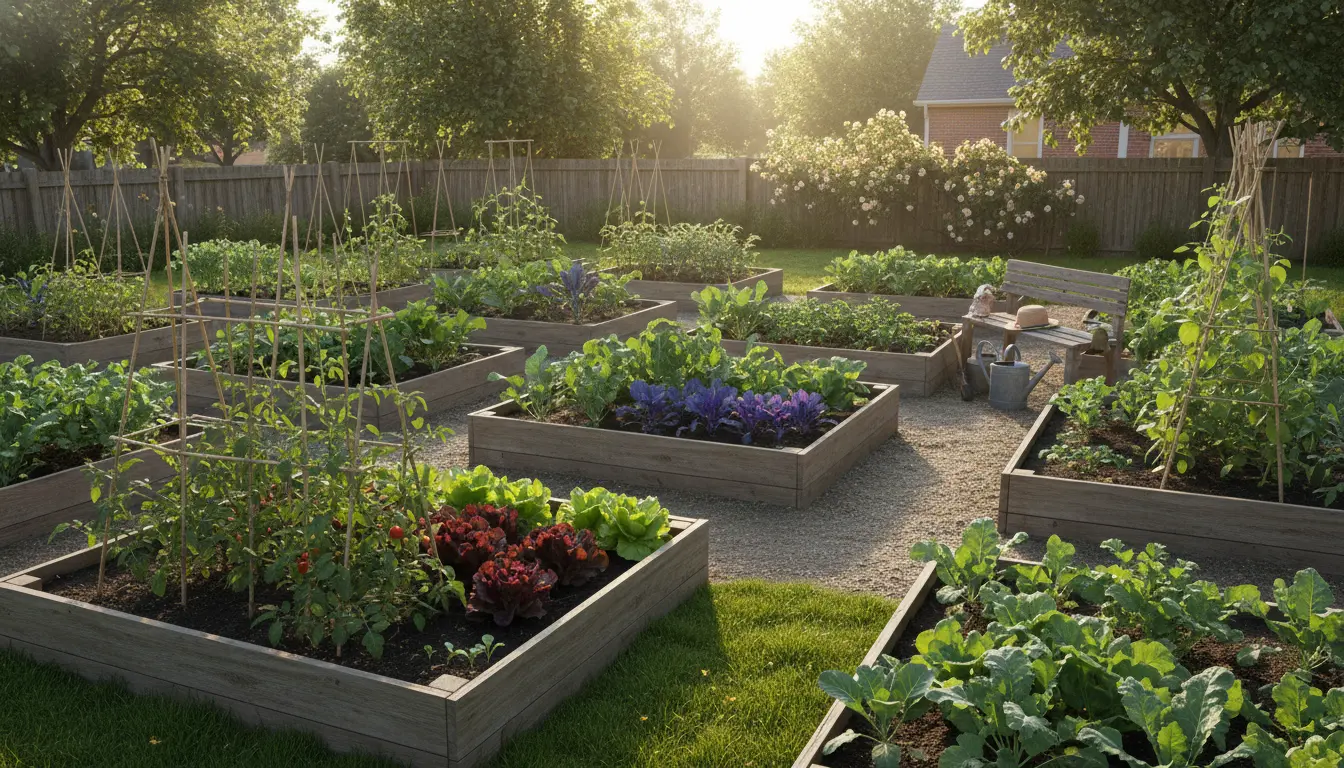
Get Ready to Start a Vegetable Garden
Starting a vegetable garden is a practical way to grow fresh food, save money, and enjoy time outdoors. This guide lays out clear steps you can follow, whether you have a backyard, balcony, or a sunny windowsill.
Plan Your Vegetable Garden
Good planning reduces mistakes and increases harvests. Begin by deciding what vegetables you enjoy and how much space you can dedicate.
- List vegetables you and your household eat often.
- Group plants by size and sun needs.
- Decide between rows, raised beds, or containers.
Choose the Right Layout for Your Vegetable Garden
Raised beds are beginner friendly because they improve drainage and soil quality. Containers work well for patios and small spaces.
Keep paths wide enough for tools and watering. Allow 2 to 3 feet between beds for easy access.
Choose the Best Location for Your Vegetable Garden
Vegetables need sunlight to produce food. Pick a location that gets at least 6 hours of direct sun daily.
Avoid low spots that collect cold air or areas with heavy shade from trees. Close proximity to a water source is very helpful.
Prepare Soil for a Vegetable Garden
Good soil is the foundation of a productive garden. Test the soil pH and structure if possible.
- Amend heavy clay with compost and coarse sand for better drainage.
- Add compost annually to maintain nutrients and soil structure.
- Use a balanced organic fertilizer if soil tests show nutrient gaps.
Soil Example for a Vegetable Garden
For raised beds, mix 60 percent topsoil, 30 percent compost, and 10 percent coconut coir or peat to retain moisture. This mix supports root growth and water retention.
Choose Plants and When to Plant
Select vegetables suited to your climate and season. Cool season crops include lettuce, peas, and spinach. Warm season crops include tomatoes, peppers, and squash.
Start seeds indoors for early season crops, or buy seedlings from a local nursery to save time.
Beginner Friendly Vegetables
- Lettuce and salad greens
- Radishes and carrots
- Tomatoes and bush beans
- Zucchini and summer squash
Watering and Mulching Tips for Your Vegetable Garden
Water consistently to avoid stress. Most vegetables need about 1 inch of water per week, more during hot spells.
- Water at the base of plants to reduce leaf diseases.
- Mulch with straw or shredded leaves to retain moisture and suppress weeds.
Pest and Disease Management in a Vegetable Garden
Use preventive measures first. Crop rotation and clean beds reduce pest pressure and soil diseases.
Handpick larger pests, use row covers for young plants, and choose disease resistant varieties when available.
Organic Control Options
- Neem oil or insecticidal soap for soft bodied insects
- Floating row covers to protect seedlings
- Beneficial insects like ladybugs for aphid control
Did You Know?
Many common vegetables flower before producing edible parts. For example, lettuce will bolt and produce flowers when stressed by heat. Harvest early to extend eating quality.
Harvesting From Your Vegetable Garden
Harvest regularly to encourage more production. Pick tomatoes when they are fully colored and slightly soft to the touch.
Leafy greens can be harvested using the cut and come again method to provide continuous yields.
Small Real World Case Study
Case study 1: A family in a 10 by 6 foot raised bed planted tomatoes, lettuce, and bush beans. In one growing season they harvested about 40 pounds of tomatoes, 20 pounds of greens, and several pouched harvests of beans.
The family saved roughly 200 dollars in grocery costs while reducing trips to the store. They improved soil fertility by adding finished compost each spring.
Simple Seasonal Checklist for a Vegetable Garden
- Spring: Prepare beds, amend soil, start seeds indoors
- Early summer: Transplant seedlings, mulch, set up supports
- Mid summer: Monitor water, harvest frequently, scout for pests
- Fall: Clean up spent plants, add compost, plant cover crop if desired
Final Tips to Keep Your Vegetable Garden Productive
Start small and expand as you gain confidence. Keep a garden journal to record planting dates, varieties, and yields.
Learn from each season. Gardens improve over time as you refine soil and plant choices.
With planning and steady care you can grow a productive vegetable garden that fits your space and lifestyle. Follow the steps above and adjust them to your climate and available time.