
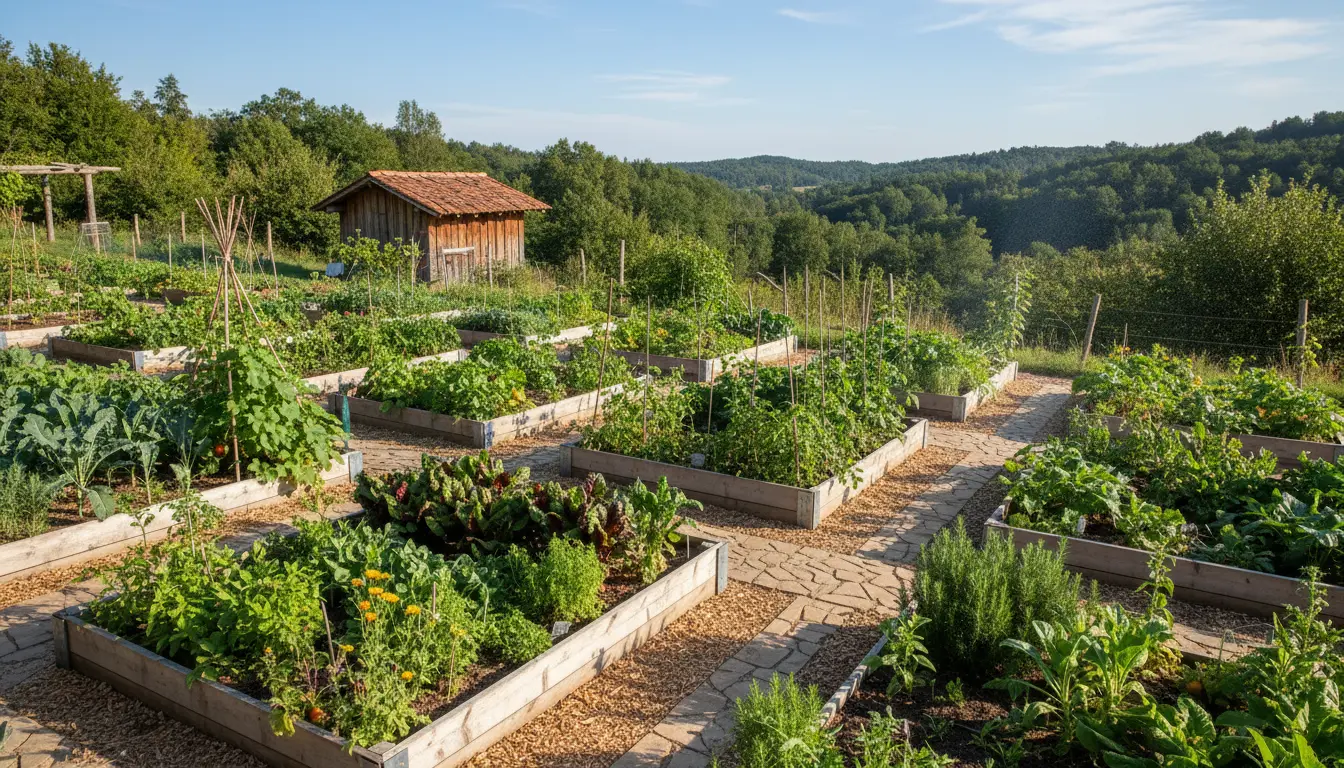
Prepare Before You Plant a Vegetable Garden
Starting a vegetable garden is easiest when you plan before you dig. Decide what you want to grow, how much time you can spend, and where you will place beds or containers.
Good planning reduces wasted seeds, effort, and expense. Small, well-managed spaces often produce better harvests than large, neglected areas.
Choose the Right Site for Your Vegetable Garden
Sunlight and Drainage
Most vegetables need at least 6 to 8 hours of direct sunlight. Observe the proposed area over a full day to check for shade from trees or buildings.
Ensure the site has good drainage. Avoid low spots where water pools after rain, as standing water causes root rot and poor plant growth.
Access and Convenience
Place the garden near a water source and a path from the house. Regular maintenance is easier when beds are accessible, which increases the chance of a healthy harvest.
Consider wind exposure and nearby plants that may attract pests or compete for light.
Prepare Soil for a Productive Vegetable Garden
Soil quality drives success. Test the soil pH with a home kit or lab to learn nutrient levels and acidity. Most vegetables prefer a pH between 6.0 and 7.0.
Amend soil with organic matter like compost or well-rotted manure to improve structure, drainage, and fertility. Spread 2–4 inches of compost and mix into the top 6–8 inches of soil.
Raised Beds and Containers

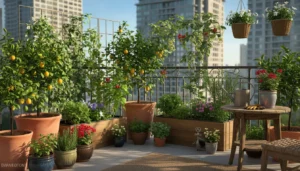
If your native soil is poor, use raised beds or containers filled with a mix of topsoil, compost, and coconut coir or peat. Raised beds warm earlier in spring and provide better root conditions.
Containers should have drainage holes and a lightweight potting mix. Watering needs differ from in-ground beds, so monitor moisture closely.
Pick Vegetables That Match Your Skill and Climate
Begin with easy crops that produce reliably: tomatoes, lettuce, radishes, green beans, and herbs like basil. Choose varieties labelled for your climate and season length.
Consider staggered planting to extend harvests. Sow quick crops (radishes, greens) between slower crops (tomatoes, peppers) to use space efficiently.
Planting Techniques for a Healthy Vegetable Garden
Seed vs. Seedlings
Sow seeds directly for crops that transplant poorly, such as carrots and beans. Start transplants for tomatoes, peppers, and eggplants indoors if your season is short.
Follow spacing recommendations on seed packets or plant tags to avoid overcrowding and reduce disease risk.
Mulch and Watering
Apply 2–3 inches of organic mulch (straw, shredded leaves) to conserve moisture, suppress weeds, and moderate soil temperature. Keep mulch a few inches away from plant stems to prevent rot.
Water deeply and less often to encourage deep roots. Most beds benefit from 1 to 1.5 inches of water per week, adjusted for rainfall and soil type.
Pest and Disease Management in a Vegetable Garden
Inspect plants regularly for pests and signs of disease. Early detection enables simple, effective action before problems spread.
Use integrated pest management (IPM): cultural controls, mechanical removal, and targeted, least-toxic treatments only when needed.
- Rotate crops yearly to reduce disease buildup.
- Use row covers to protect young plants from insects.
- Encourage beneficial insects with flowering plants like marigolds and dill.
Seasonal Care and Maintenance
Prune, stake, or cage tall plants like tomatoes to improve air flow and reduce disease. Remove yellowing leaves and spent plants to keep the garden tidy.
Feed crops with balanced organic fertilizers during peak growth. Avoid over-fertilizing leafy crops if you want fruit production rather than lush leaves.
Harvesting
Harvest vegetables at peak ripeness for best flavor and ongoing production. Picking regularly often encourages plants to produce more.
Keep records of planting dates and yields to refine timing and varieties in future seasons.
Interplanting basil with tomatoes can improve tomato flavor and may help reduce some insect pests. Companion planting is a low-cost way to support your vegetable garden.
Case Study: Small Backyard Vegetable Garden
In 2023 a homeowner converted a 10×12 ft lawn patch into raised beds and grew vegetables for a family of four. They started with three 4×4 ft beds and composted soil.
They planted tomatoes, bush beans, lettuce, carrots, and herbs. Simple practices—regular watering, mulching, and staking tomatoes—produced enough fresh vegetables for weekly meals and preserved surplus salsa and pickles.
Key results: steady harvests from June through October, reduced grocery purchases, and improved soil health year over year through added compost.
Quick Checklist to Start a Vegetable Garden
- Choose a sunny, well-drained site near water.
- Test soil and amend with compost.
- Select easy crops for your climate and season length.
- Use raised beds or containers if soil is poor.
- Mulch, water deeply, and inspect for pests regularly.
Final Tips for a Lasting Vegetable Garden
Start small and learn each season. Expansion is easier after you understand space, workload, and local pests.
Keep a simple garden journal with planting dates, varieties, and notes on yields. Small adjustments each year lead to better results and a more productive vegetable garden.