
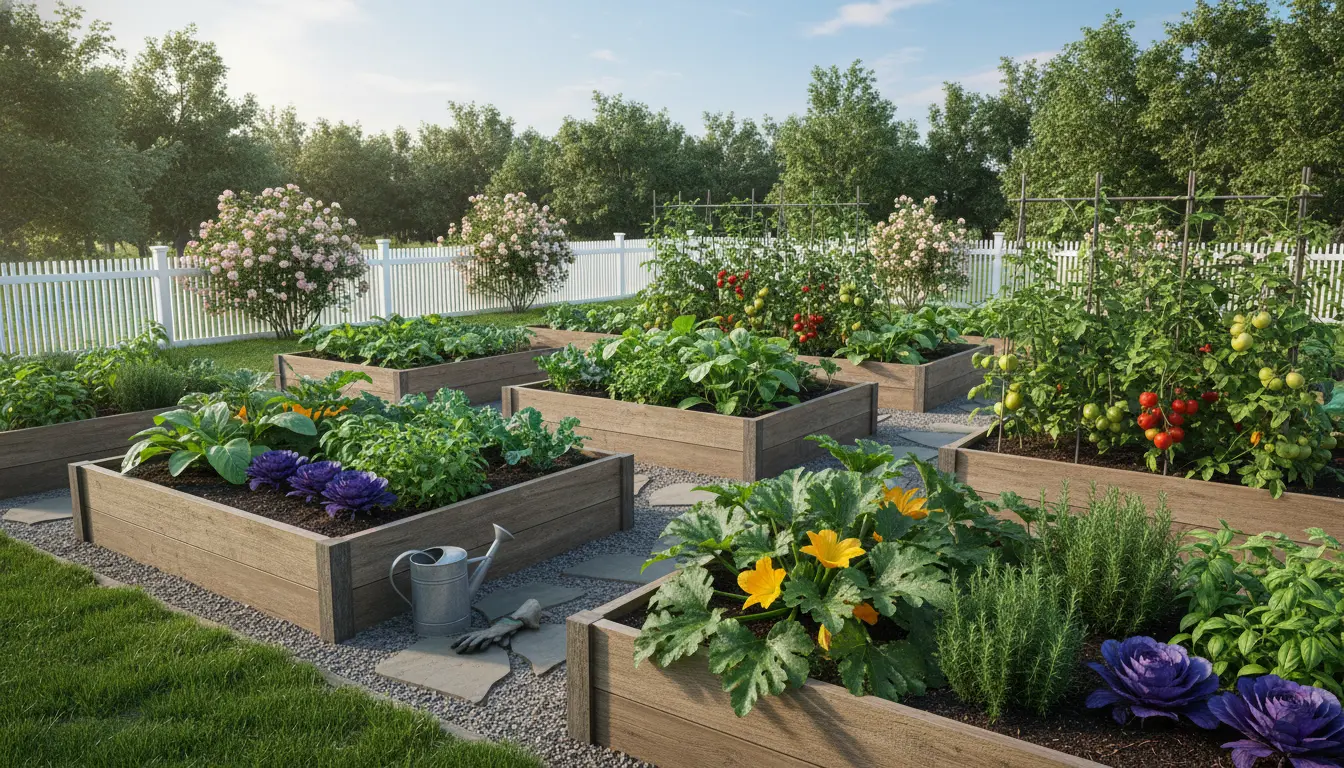
How to Start a Vegetable Garden
Starting a vegetable garden is a hands-on process that rewards planning and patience. This guide covers the essential steps to start a vegetable garden so you get steady produce without wasting time or money.
Plan Before You Plant: Why planning matters
Good planning reduces common mistakes like poor site choice or wrong crop timing. Spend time choosing the right spot, deciding how many beds you want, and selecting beginner-friendly crops.
Choose the Best Site to Start a Vegetable Garden
Sunlight is the single most important factor. Most vegetables need at least six hours of direct sun. Observe your yard through the day to find the sunniest spot.
Consider access to water and convenience. A garden near the house gets more care and saves time hauling water.
Soil and Ground Options When You Start a Vegetable Garden
Options include in-ground beds, raised beds, and containers. Raised beds warm faster, drain well, and are easier to amend. Containers work well for small spaces or patios.
Test the soil if you use an existing bed. A simple home test or a lab test reveals pH and nutrient levels that affect plant choices and amendments.
Prepare Soil to Start a Vegetable Garden
Healthy soil equals healthy vegetables. Aim for loose, well-draining soil with plenty of organic matter. Add compost to improve texture and fertility.
Follow these quick steps to prepare soil:
- Clear the area of grass and weeds.
- Loosen the top 8 to 12 inches with a fork or tiller.
- Mix in 2 to 3 inches of compost or well-rotted manure.
- Adjust pH if needed with lime or sulfur based on test results.
Choose Vegetables for Beginners
Start with crops that are forgiving and produce quickly. Good beginner choices include lettuce, radishes, bush beans, zucchinis, tomatoes, and herbs like basil.
Consider your climate and planting season. Use a planting calendar for your hardiness zone to plan sowing and harvest dates.
Planting Techniques to Start a Vegetable Garden
Sow seeds at the depth indicated on the packet and keep soil consistently moist until germination. For transplants, set them at the same soil depth they had in their pots.
Space plants according to the recommended distance to avoid crowding and reduce disease risk.
Watering, Mulch, and Fertilizer
Water deeply and less frequently to encourage strong root systems. Early morning watering reduces evaporation and disease risk.
- Use mulch to retain moisture and suppress weeds.
- Apply a balanced fertilizer or side-dress with compost during the growing season.
Pest and Disease Basics for New Gardeners
Inspect plants regularly and remove damaged leaves. Use physical barriers like row covers for insects and handpick larger pests like slugs.
Practice crop rotation and avoid overcrowding to reduce disease pressure. Organic sprays like insecticidal soap help control soft-bodied pests.
Maintenance and Harvesting
Keep a simple maintenance routine: water, weed, check for pests, and harvest promptly. Regular harvesting encourages more production in many crops.
Record what you plant and when. Notes on varieties and harvest dates help you improve each season.
Small Real-World Example: A Beginner Case Study
Case study: Sarah, a first-time gardener, used a 10 by 10 foot raised bed to start a vegetable garden. She placed the bed in a sunny spot near a hose and filled it with a soil mix of topsoil and compost.
Her first season plan included tomatoes, bush beans, lettuce, and zucchini. She followed a simple schedule: planting in late spring, weekly watering, and light feeding every 4 weeks.
Results after one season: Sarah harvested about 15 pounds of tomatoes, 10 pounds of zucchini, and multiple salads from lettuce. Her initial investment for soil and seedlings was under $200, and she estimates the produce replaced $250 worth of store-bought vegetables.
Quick Checklist to Start a Vegetable Garden
- Choose a sunny site near water.
- Select raised beds or containers if soil is poor.
- Test and amend soil with compost.
- Pick easy crops for your season.
- Follow a simple watering and maintenance routine.
Common Beginner Mistakes to Avoid
- Planting in low light or poor drainage areas.
- Overwatering seedlings and causing rot.
- Choosing too many varieties and getting overwhelmed.
Starting a vegetable garden takes planning but is manageable for most people with a small plot or containers. Follow these steps to start a vegetable garden, keep records, and learn from each season to get better results next year.