
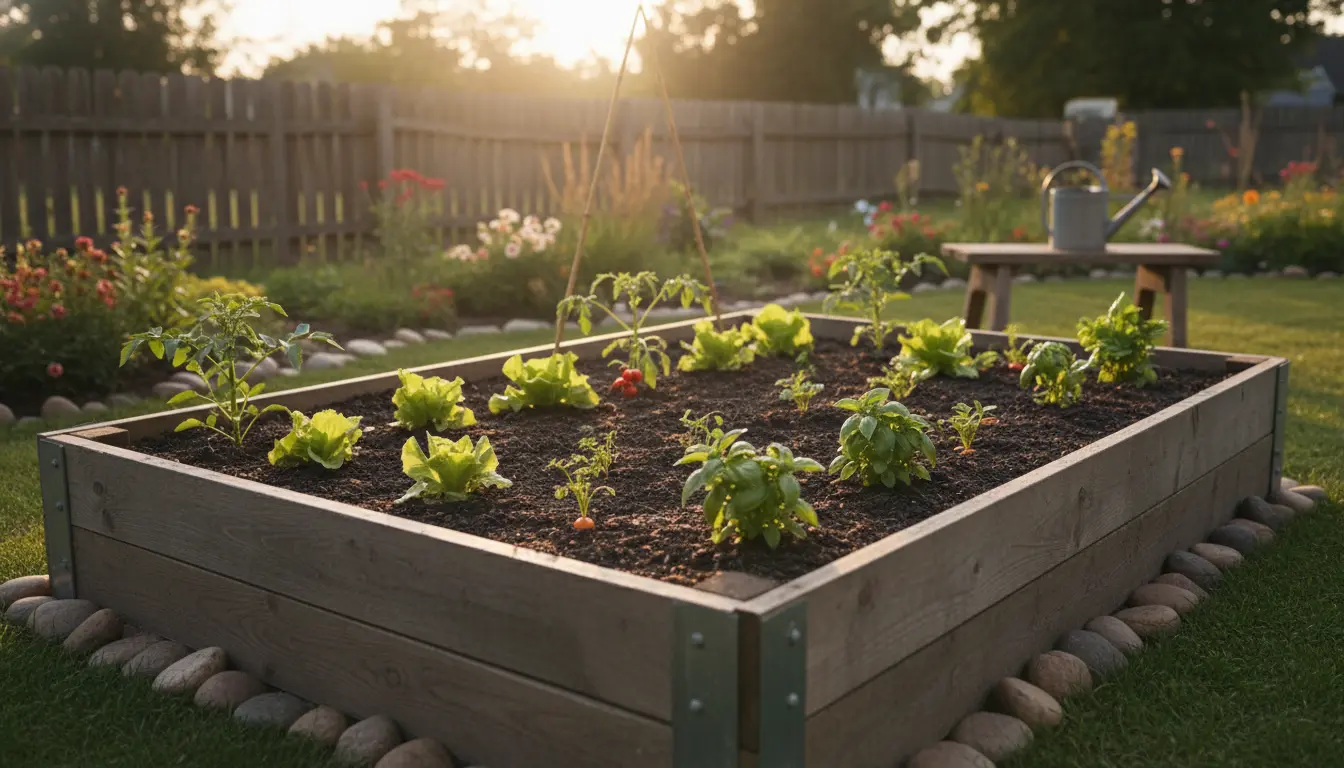
Starting a vegetable garden can be simple and rewarding. This guide gives clear, practical steps you can follow to plan, plant, and care for a productive vegetable garden.
How to Choose a Site for Your Vegetable Garden
Location matters for any vegetable garden. Choose a spot that gets at least six hours of direct sunlight each day for most vegetables.
Also look for good drainage and easy access to water. Avoid low spots where cold air or standing water collect.
Soil and Sunlight for a Thriving Vegetable Garden
Healthy soil is the foundation of a productive vegetable garden. Test soil texture and pH with a simple kit or a lab test for best results.
Most vegetables prefer neutral to slightly acidic soil (pH 6.0–7.0). Amend poor soil with compost to boost fertility and structure.
Planning What to Grow in Your Vegetable Garden
Start small and grow what you will eat. Planning reduces wasted space and improves harvests.
Consider climate, season length, and how much time you can spend on maintenance. Use a planting calendar for your zone.
Easy Vegetables for Beginners
- Leafy greens: lettuce, spinach, Swiss chard
- Root crops: radishes, carrots, beets
- Quick fruiting: bush tomatoes, peppers, bush beans
- Herbs: basil, parsley, chives
These crops establish quickly and tolerate small mistakes from new gardeners.
Preparing and Planting Your Vegetable Garden
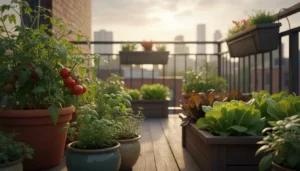
Decide on beds: in-ground rows, raised beds, or containers all work. Raised beds warm faster and drain well.
Prepare the soil by removing weeds, loosening the top 8–12 inches, and mixing in 2–4 inches of compost.
Step by Step Planting Schedule
- Week 1: Test soil and plan bed layout with spacing for mature plants.
- Week 2: Amend soil with compost and any needed lime or sulfur.
- Week 3: Sow cool-season seeds or transplant starters after last frost.
- Ongoing: Follow thinning, trellising, and succession planting schedules.
Label rows and keep a simple journal with planting dates and varieties. That record helps next season’s planning.
Caring for Your Vegetable Garden
Consistent care keeps a vegetable garden productive. Focus on watering, weeding, feeding, and pest checks.
Watering, Weeding, and Feeding
Water deeply and less frequently to encourage strong roots. Aim for about 1 inch of water per week, more in hot weather.
Mulch beds with straw or shredded leaves to suppress weeds and conserve moisture. Pull weeds when young to prevent competition.
- Fertilize monthly with balanced organic fertilizer or side-dress with compost.
- Rotate crops yearly to reduce disease and nutrient depletion.
- Stake or trellis vining plants to improve air flow and harvest ease.
Planting marigolds near tomatoes can reduce certain soil pests naturally. Companion planting often improves yields and can cut pest problems without chemicals.
Common Problems and Simple Fixes for Your Vegetable Garden
Pests, disease, and nutrient issues are common but manageable. Regular inspection is the best prevention.
Use these quick checks when something looks wrong:
- Yellow leaves: check soil moisture and nitrogen levels.
- Holes in leaves: inspect for slugs, caterpillars, or beetles and remove by hand.
- Stunted growth: test pH and ensure roots have room to expand.
Organic and Low-Chemical Options
Hand-picking pests, using row covers, and encouraging beneficial insects are effective. Neem oil and insecticidal soaps are options when needed.
Small Case Study: A Backyard Raised Bed Success
Emma, a new gardener in zone 6, converted a 4×8 ft unused corner into a raised bed. She chose easy crops: lettuce, radishes, and bush tomatoes.
She prepared the bed with two wheelbarrows of compost and planted in early spring. Using drip irrigation and mulch, she reduced watering time and enjoyed continuous harvests for three months.
Emma’s harvest: weekly salad greens, early radish pickings, and a mid-summer tomato crop that surprised her with flavor. Her key takeaways were starting small and keeping a simple log of watering and planting dates.
Simple Weekly Checklist for a Vegetable Garden
- Inspect plants for pests or disease (10–15 minutes).
- Water early in the morning if soil is dry below the surface.
- Remove weeds and add mulch as needed.
- Harvest ripe vegetables to encourage more production.
By following these steps, you can build a productive vegetable garden that fits your schedule and taste preferences. Start with a clear plan, prioritize soil health, and learn as you grow.
Ready to begin? Choose a small site, pick three easy crops, and plant your first seeds or seedlings this season.