
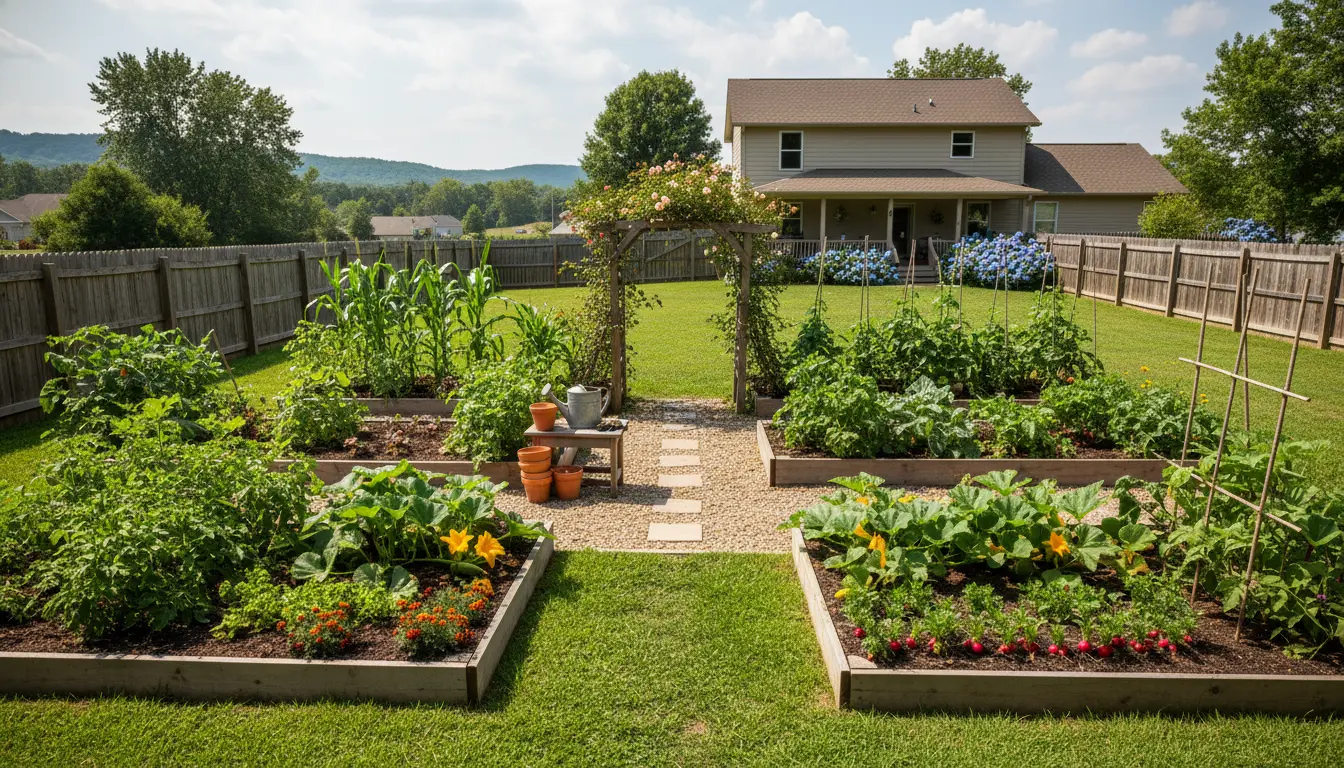
Starting a vegetable garden at home is a practical way to save money, eat fresher food, and enjoy outdoor activity. This guide breaks down the essential steps to start a vegetable garden with clear actions you can follow in one weekend and beyond.
Choose Where to Start a Vegetable Garden
Location is the first decision when you start a vegetable garden. Most vegetables need 6 to 8 hours of direct sunlight, so pick a spot with good sun exposure.
Consider accessibility, water source, and protection from strong winds or pets. If ground space is limited, raised beds or containers work well and warm up faster in spring.
Sun, Soil, and Space When You Start a Vegetable Garden
Test sunlight across the day and note shady hours. Check soil by digging a spade deep to inspect texture and drainage. If soil is compacted or poor, raised beds with quality mix are a fast solution.
- Sun: 6–8 hours for most vegetables
- Soil: loose, crumbly, good drainage
- Space: allow mature plant width and walking paths
Prepare Soil and Beds to Start a Vegetable Garden
Good soil is the foundation of a productive vegetable garden. Start by removing grass or weeds and loosening the top 8–12 inches of soil.
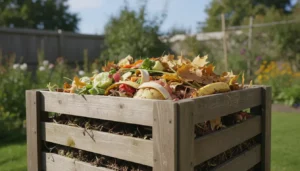
Add organic matter like compost or well-rotted manure to improve structure, nutrients, and water retention. Mix in a balanced slow-release fertilizer if your soil test shows deficiencies.
Soil Steps and Amendments
- Remove debris and weeds by hand or with a hoe.
- Spread 2–4 inches of compost and work it into the top soil.
- Adjust pH only if a soil test indicates need; most vegetables prefer pH 6.0–7.0.
Plan What to Plant When You Start a Vegetable Garden
Choose vegetables that suit your climate, season, and cooking habits. Beginners should start with forgiving crops that produce fast and reliably.
- Easy choices: lettuce, radishes, cherry tomatoes, beans, zucchini
- Perennial options: asparagus, rhubarb (requires patience)
- Herbs: basil, parsley, chives are low-maintenance starters
Group plants by water and sun needs to simplify care. Use succession planting (staggered sowing) to extend harvests across the season.
Planting, Watering, and Care to Start a Vegetable Garden
Follow seed packet or plant tag instructions for spacing and depth. Transplants often need deeper planting for sturdier stems—bury to the first true leaves for tomatoes.
Water deeply and less often to encourage strong roots. Aim for 1–1.5 inches of water per week, adjusting for rainfall and hot weather.
Pest and Weed Management
Preventive practices reduce problems: use mulch to suppress weeds and retain moisture, rotate crops yearly, and encourage beneficial insects with flowering borders.
- Mulch: 2–3 inches around plants but not against stems
- Hand-pick slugs and large pests; use row covers for young crops
- Inspect plants weekly and remove diseased foliage promptly
Harvesting and Feeding Your Garden
Harvest regularly to encourage more production—pick beans when young and sweet, harvest lettuce leaves before they bolt. Use a garden calendar to track planting and harvest dates.
Top up soil fertility mid-season with compost tea or a balanced organic fertilizer, especially for heavy feeders like corn, tomatoes, and peppers.
Tomato plants grown from seedlings produce sooner than those started from later-season seeds. Starting seeds indoors 6–8 weeks before last frost gives a longer harvest window.
Simple Case Study: Small Raised Bed Success
Sarah had a 10 x 4 foot raised bed and no prior experience. She filled the bed with a 50/50 mix of topsoil and compost, planted tomatoes, basil, lettuce, and bush beans, and used drip irrigation.
In her first season she harvested continuous lettuce and three weeks of daily cherry tomatoes by pruning and staking early. Her approach: simple layout, consistent watering, and weekly checks for pests.
Key Takeaways from the Case Study
- Start small: a single bed is easier to manage
- Pick complementary crops to maximize space
- Steady maintenance beats complicated methods
Troubleshooting Common Problems When You Start a Vegetable Garden
If plants look yellow, check soil moisture and fertility. Slow growth often means poor soil or insufficient sunlight. Pests and diseases usually show as chewed leaves or spots; early identification limits spread.
Keep a garden journal to record planting dates, varieties, and issues. Over time you’ll learn local timing, which varieties perform best, and simple fixes that save effort later.
Starting a vegetable garden at home is a repeatable process: choose a sunny spot, prepare good soil, select easy crops, and follow steady care. With small efforts and consistent routines you can establish a productive garden that grows year after year.