
Getting Started: Why start a vegetable garden
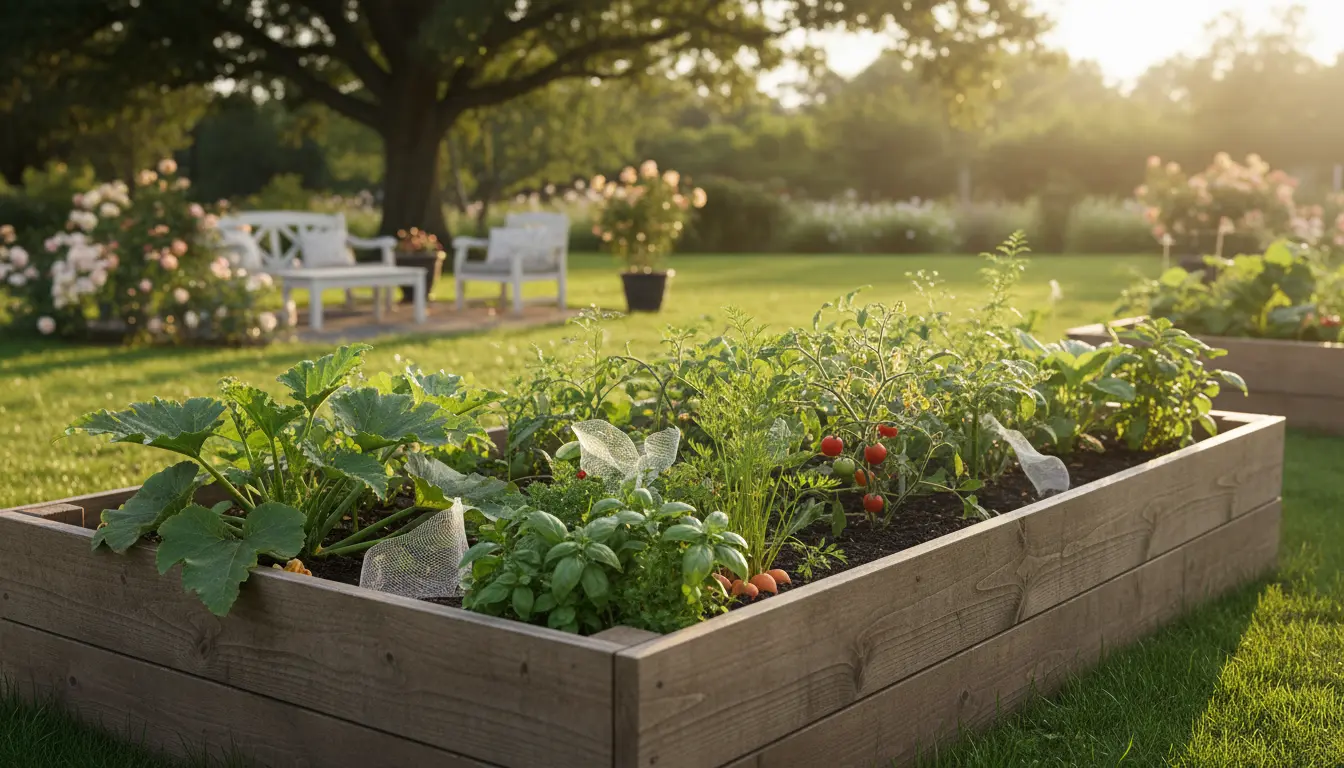
Starting a vegetable garden gives you fresh produce, saves money, and connects you to the growing process. Even a small patch or a few containers can supply herbs, salad greens, and seasonal vegetables.
This guide shows clear steps to start a vegetable garden and keep it productive year after year.
How to start a vegetable garden: Plan and choose the site
Good planning makes gardening easier. Begin by assessing sunlight, access to water, and space size.
Choose a site with at least 6 hours of direct sunlight for most vegetables. Avoid low spots that collect water or areas shaded by large trees.
Decide what to grow when you start a vegetable garden
Start with easy crops to build confidence. Tomatoes, lettuce, radishes, beans, and herbs are reliable first choices.
Consider your climate and growing season. Pick varieties labeled for your hardiness zone or described as fast-maturing.
How to start a vegetable garden: Soil, beds, and containers
Soil quality strongly affects success. Test the soil pH and texture and amend it with organic matter as needed.
Raised beds and containers are excellent for beginners because they offer good drainage and easier control over soil mix.
Preparing soil to start a vegetable garden
- Remove weeds and grass from the planting area.
- Mix 2–4 inches of compost into the top 6–12 inches of soil.
- For containers, use a high-quality potting mix with compost and perlite for drainage.
How to start a vegetable garden: Planting and timing
Planting at the right time ensures strong growth. Use local planting calendars or seed packet directions to schedule sowing and transplants.
Direct-seed quick crops like radishes and lettuce early, and transplant warm-season crops like tomatoes after the last frost.
Planting tips when you start a vegetable garden
- Harden off seedlings for 7–10 days before transplanting outdoors.
- Follow spacing recommendations to avoid crowding and improve airflow.
- Mulch around plants to retain moisture and suppress weeds.
How to start a vegetable garden: Watering and maintenance
Consistent water is more important than frequent shallow watering. Aim for deep, infrequent watering to encourage strong roots.
Install a drip irrigation line or soaker hose to deliver water directly to the root zone and reduce evaporation.
Routine tasks after you start a vegetable garden
- Weed regularly—small weeds are easier to remove and compete less with crops.
- Inspect plants weekly for pests, disease, and nutrient deficiencies.
- Feed heavy feeders (tomatoes, corn) with balanced fertilizer or compost tea midseason.
Pest control and harvest when you start a vegetable garden
Use integrated pest management (IPM) to minimize chemicals. Combine cultural controls, physical barriers, and biologicals first.
Handpick large pests, use row covers for young plants, and encourage beneficial insects with flowering plants nearby.
Harvesting tips
- Harvest leafy greens when young for best flavor and regrow by cutting outer leaves.
- Pick tomatoes and peppers when fully colored and slightly soft to the touch.
- Store or preserve excess crop with freezing, canning, or pickling to reduce waste.
Companion planting can improve yields: planting basil near tomatoes may improve tomato flavor and reduce pests.
Small real-world example: A beginner raised bed case study
Maria, a first-time gardener in a small city yard, built one 4×6 foot raised bed filled with a 50/50 mix of compost and topsoil. She chose cherry tomatoes, bush beans, lettuce, and basil.
In her first season she harvested enough lettuce weekly for her household and about 30 pounds of tomatoes by late summer. Key wins were good soil mix, drip irrigation, and weekly maintenance.
Common mistakes to avoid when you start a vegetable garden
- Planting too much too soon—start small and expand after success.
- Ignoring soil health—unamended soil yields poor crops even with water and sun.
- Overwatering—this leads to root rot and weak plants.
Actionable checklist to start a vegetable garden today
- Pick a sunny spot and measure space available.
- Decide on 3–5 easy crops for your first season.
- Prepare soil or fill a raised bed/container with compost-rich mix.
- Sow seeds or transplant at the right time; mulch and install drip irrigation if possible.
- Monitor weekly for pests, water deeply, and harvest regularly.
Starting a vegetable garden is a practical, low-cost way to grow fresh food and learn a new skill. Follow these steps to start a vegetable garden that fits your space and schedule, and expect to improve each season with small adjustments.