
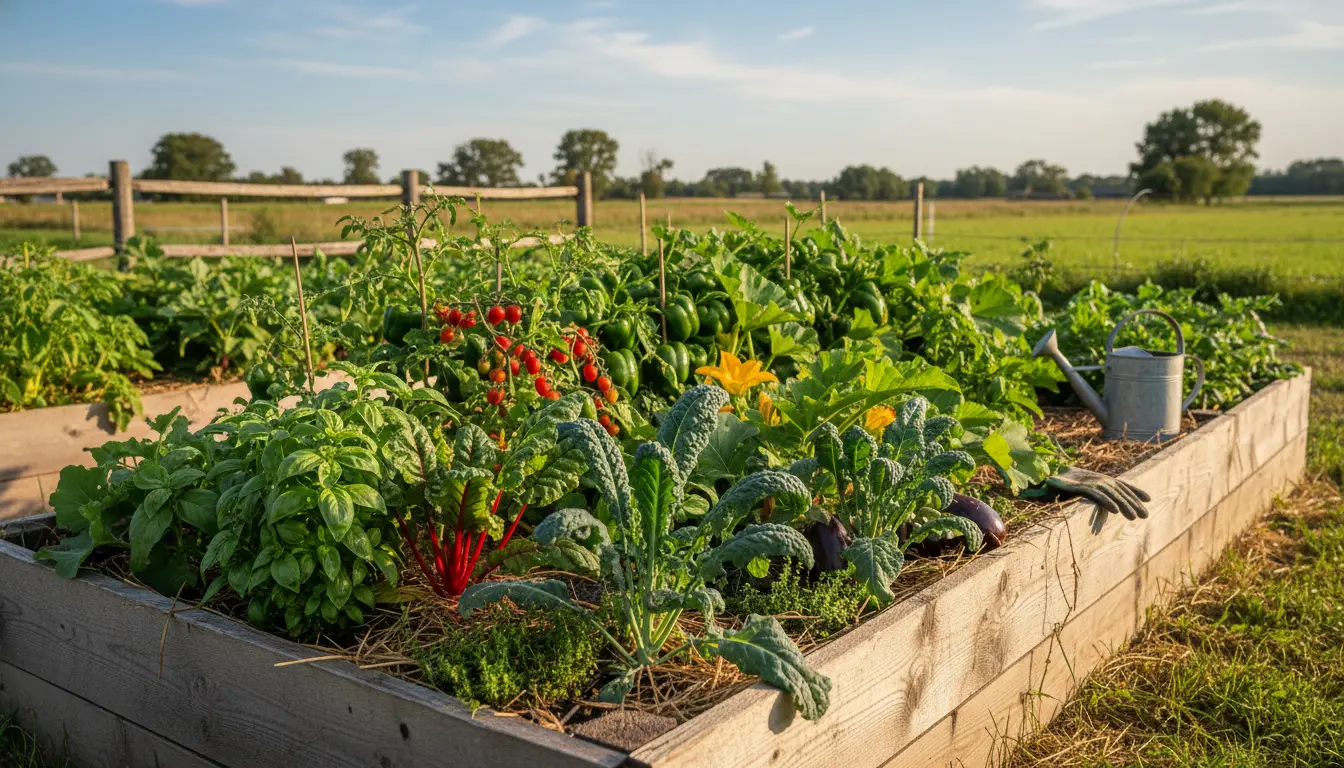
Starting a vegetable garden is a practical way to grow fresh food, save money, and enjoy time outdoors. This guide gives clear, step-by-step instructions so beginners can start a vegetable garden with confidence.
Plan How to Start a Vegetable Garden
Begin with a simple plan. Decide where the garden will go, how much time you can spend, and what vegetables you want to grow.
Set Goals for Your Vegetable Garden
Think about goals like fresh salads, canning, or teaching kids about food. Limit initial scope to a few easy crops to keep work manageable.
- Goal examples: fresh herbs, salad greens, cherry tomatoes
- Start small: 4–6 square feet or one raised bed
- Plan for a single growing season before expanding
Choose the Best Site to Start a Vegetable Garden
Sunlight is the most important site factor. Most vegetables need 6–8 hours of direct sun per day. Pick a flat spot with good drainage and easy access to water.
Site Checklist
Use this checklist when selecting a site to start a vegetable garden:
- Sun exposure: 6–8 hours of direct sunlight
- Soil drainage: no standing water after rain
- Water access: hose or irrigation nearby
- Wind protection: shields for tall crops
Prepare Soil to Start a Vegetable Garden
Healthy soil equals healthy plants. Test soil pH and texture, then improve it with organic matter. Aim for a loose, crumbly texture that holds moisture but drains well.
Soil Preparation Steps
- Test soil pH with a kit; adjust if needed (most veg prefer pH 6.0–7.0).
- Remove weeds and grass; work in 2–4 inches of compost.
- For heavy clay, add coarse sand and more organic matter to improve drainage.
- Consider raised beds if soil is poor or compacted.
Select Vegetables to Start a Vegetable Garden
Choose crops that match your climate and season. Beginner-friendly vegetables include lettuce, radishes, bush beans, and zucchini.
Beginner Crop Suggestions
- Lettuce and spinach: quick harvests and forgiving
- Radishes: 3–4 weeks to harvest
- Tomatoes (determinate): easy and productive
- Beans (bush type): low maintenance and high yield
Planting and Timing to Start a Vegetable Garden
Use a seasonal planting calendar for your area. Start seeds indoors for longer-season crops and sow quick growers directly into the soil.
Planting Tips
- Follow seed packet directions for depth and spacing.
- Harden off seedlings before transplanting outdoors.
- Stagger plantings for continuous harvests (e.g., lettuce every two weeks).
Watering and Maintenance for Your Vegetable Garden
Consistent watering is vital. Deep, infrequent watering encourages strong roots. Mulch reduces evaporation and suppresses weeds.
Daily and Weekly Care
- Water early in the morning to reduce disease risk.
- Apply 2–3 inches of organic mulch around plants.
- Monitor for pests and remove by hand or use targeted controls.
Pest and Disease Basics When You Start a Vegetable Garden
Prevent problems with good sanitation and crop rotation. Use physical barriers, row covers, and beneficial insects before chemical controls.
Quick Pest Control Steps
- Inspect plants weekly for chew marks, spots, or wilting.
- Use insecticidal soap or neem oil for soft-bodied pests.
- Rotate where you plant each family of vegetables each year.
Simple Harvest and Storage Tips
Harvest vegetables when they are ripe for peak flavor. Store leafy greens in a cool, damp environment and tomatoes at room temperature for best taste.
Storage Examples
- Lettuce: wrap in a damp towel and refrigerate for up to a week.
- Tomatoes: keep at room temperature away from direct sun.
- Beans: refrigerate in a perforated bag for up to 5 days.
Real-World Example: A Small Case Study
Case: Maria, a first-time gardener, started a 4×8-foot raised bed in spring. She chose lettuce, radishes, bush beans, and cherry tomatoes. Maria tested the soil, added 3 inches of compost, and planted in early April.
Result: By mid-June she harvested continuous salad greens and radishes. Cherry tomatoes began producing in July. Maria spent 20–30 minutes three times a week on watering and weeding and had fresh produce through the season.
Quick Checklist to Start a Vegetable Garden
- Pick a sunny, well-drained site
- Test and amend soil with compost
- Choose 3–6 easy vegetables
- Plant with correct spacing and timing
- Water deeply and mulch to save time
- Monitor for pests and rotate crops yearly
Starting a vegetable garden is a step-by-step process that rewards planning and consistent care. Begin small, learn from each season, and expand as you gain confidence. With the right site, soil, and simple maintenance, you can grow a reliable supply of fresh vegetables.