
Starting a vegetable garden at home is a practical way to grow fresh produce, save money, and learn seasonal growing rhythms. This guide gives clear, actionable steps you can follow whether you have a backyard, balcony, or a few containers.
Why Start a Vegetable Garden
A vegetable garden provides control over what you eat and reduces trips to the store. Freshly harvested vegetables taste better and often contain more nutrients than store-bought alternatives.
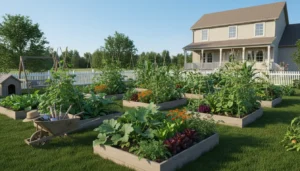
Gardening also supports mental health, outdoor time, and a better understanding of seasonal cycles. Even small spaces can yield significant harvests with the right approach.
Planning Your Vegetable Garden
Good planning prevents wasted time and efforts. Decide how much space you can dedicate and what you want to grow before buying tools or seeds.
- Assess sunlight: most vegetables need 6 to 8 hours of direct sun.
- Estimate space: raised beds, row beds, or containers each have different yields.
- Set a budget: start small and expand over seasons to manage costs.
Choosing the Right Location and Soil for Your Vegetable Garden
Location determines plant health. Pick a spot with good sun exposure, easy access to water, and protection from strong winds.
Soil quality matters more than space. Test soil pH and texture to understand what amendments are needed.
Soil Testing and Improvement
Purchase a simple soil test kit or send a sample to a local extension service. Most vegetables prefer a slightly acidic to neutral pH (6.0 to 7.0).
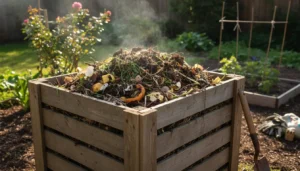
Improve soil with organic matter: compost, well-rotted manure, or leaf mold. Mix amendments into the top 6 to 8 inches for best root development.
Selecting Vegetables to Grow
Choose crops that match your climate, season, and cooking preferences. Beginners succeed with fast, forgiving vegetables.
- Easy spring and summer crops: lettuce, radishes, tomatoes, peppers, bush beans, zucchini.
- Good fall crops: kale, spinach, carrots, beets, brassicas.
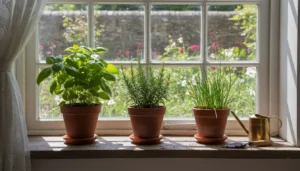
- Container-friendly options: herbs, cherry tomatoes, salad greens, peppers.
Planting Schedule and Methods for a Vegetable Garden
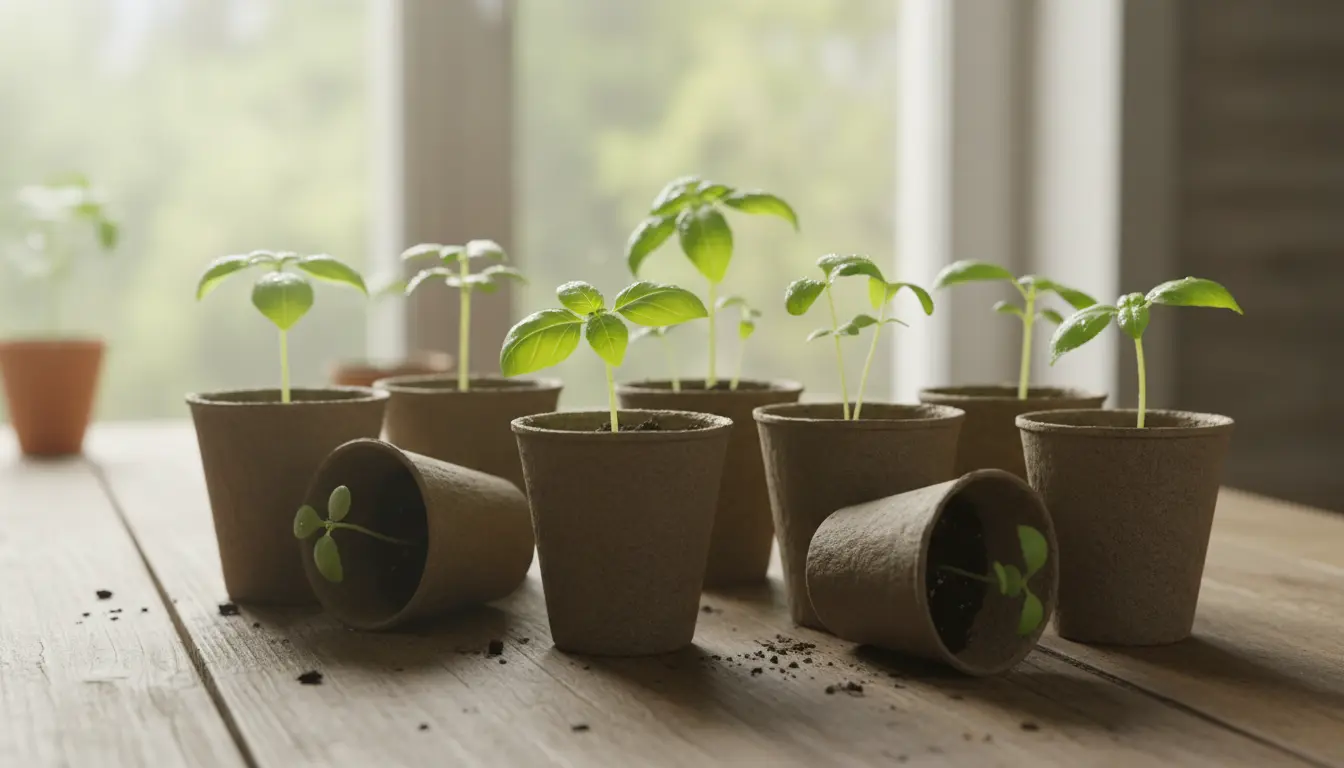
Use your local last frost date to plan planting times. Start seeds indoors for slow warm-season crops or sow directly for cool-season vegetables.
Stagger plantings for a continuous harvest. For example, sow lettuce every two weeks to avoid a single large yield that spoils at once.
Direct Sowing vs Transplants
Direct sow root crops and quick growers like radish and carrot. Use transplants for tomatoes, peppers, and eggplants to gain a head start on the season.
Follow seed packet instructions for depth and spacing. Overcrowding reduces airflow and increases disease risk.
Watering and Fertilizing Your Vegetable Garden
Consistent water is critical. Most vegetable gardens need about 1 inch of water per week, delivered deeply rather than shallowly.
Use drip irrigation or soaker hoses to reduce evaporation and leaf wetness. Mulch around plants to retain moisture and control weeds.
Feeding Plants
Start with a balanced organic fertilizer at planting and side-dress with compost or fish emulsion during peak growth. Adjust feeding based on plant response.
Avoid overfertilizing leafy greens with too much nitrogen if you want better flavor and texture in fruiting crops like tomatoes.
Pest and Disease Management in a Vegetable Garden
Preventive practices reduce problems. Rotate crops, maintain good spacing, and remove diseased foliage quickly to limit spread.
Use row covers for insect protection on seedlings and beneficial insects like ladybugs for aphid control. Handpick slugs or use traps rather than broad pesticides when possible.
Common Issues and Remedies
- Aphids: spray with water or introduce beneficial insects.
- Blight and fungal issues: improve airflow and avoid overhead watering.
- Soil-borne pests: practice crop rotation and solarize soil in extreme cases.
Planting flowers such as marigolds and nasturtiums near vegetables can attract pollinators and repel some pests naturally.
Small Real World Example: A Beginner Backyard Bed
Case study: A novice gardener converted a 4 by 8 foot raised bed and planted tomatoes, basil, lettuce, and bush beans. They used compost, installed drip irrigation, and mulched heavily.
Results after one season: continuous salad harvest for two months, three healthy tomato plants producing mid-summer fruit, and minimal pest pressure due to early monitoring and row covers.
Seasonal Maintenance Tips for a Vegetable Garden
Regular tasks keep the garden productive. Weed weekly, prune as needed, and check for pests every few days during growing season.
Record planting dates and harvests in a notebook. These notes make the next season easier and help you refine plant choices and timing.
Starting a vegetable garden is a learning process. With basic planning, simple soil improvements, consistent watering, and attentive care, most gardeners can enjoy fresh produce within months. Start small, observe, and expand as you gain confidence.