
Why start a vegetable garden
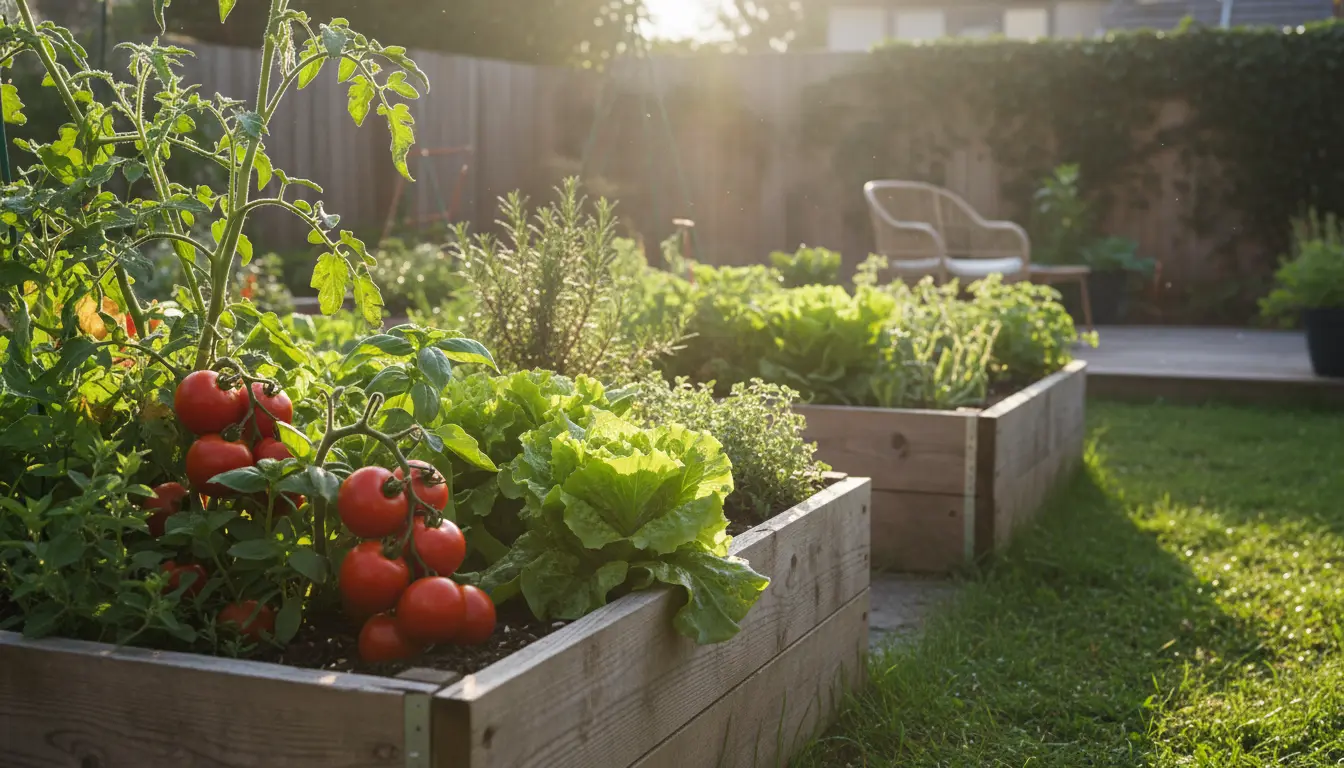
Starting a vegetable garden gives you fresh produce, saves money, and connects you with the seasons. Many beginners feel overwhelmed, but a small, well-planned garden is easy to manage.
This guide shows practical steps for how to start a vegetable garden and keep it productive through its first year.
Find the right spot for your vegetable garden
Most vegetables need 6 to 8 hours of direct sunlight each day. Choose a flat or gently sloped area with good drainage.
Avoid low spots where water pools and places shaded by large trees. If space is limited, consider containers or raised beds.
Sunlight and access
Observe the chosen spot through the day to confirm sun exposure. Make sure the area is convenient to water and close to your kitchen for easy harvesting.
Soil and drainage
Good soil is loose and crumbly. If your soil is heavy clay or sand, plan to amend it with organic matter or use raised beds for better control.
Plan your vegetable garden layout
Decide how much space you can dedicate. Start small: a 4 by 8 foot bed or several containers are enough for a beginner.
Sketch a simple layout with pathways for access and spacing between rows or containers.
- Raised beds: Good for poor soil and easier to manage weeds.
- In-ground rows: Best if you already have good soil and space.
- Containers: Ideal for patios and balconies.
Choose vegetables to plant

Select plants that suit your climate and season. Beginners should pick reliable, low-maintenance crops to build confidence.
Easy vegetables to start with
- Leafy greens: Lettuce, spinach, arugula
- Root crops: Radishes, carrots
- Warm-season staples: Tomatoes, peppers, bush beans
- Herbs: Basil, parsley, chives
Check your local planting calendar or extension service for frost dates and recommended varieties. Stagger plantings to extend harvests over several weeks.
Prepare soil and amend for a healthy vegetable garden
Test the soil pH if possible. Most vegetables prefer a slightly acidic to neutral pH of 6.0 to 7.0.
Improve soil with compost and well-rotted manure to add nutrients and improve structure.
- Add 2 to 3 inches of compost over beds each year.
- For clay soils, mix in coarse sand and organic matter to improve drainage.
- For sandy soils, add compost and aged manure to retain moisture.
Planting: seeds vs seedlings
Decide whether to sow seeds or transplant seedlings. Some crops, like carrots and radishes, are best started from seed. Others, like tomatoes and peppers, are easier as seedlings.
Seed starting tips
- Follow seed packet depth and spacing instructions closely.
- Thin seedlings to avoid overcrowding and improve air circulation.
Transplanting tips
Harden off seedlings outdoors for a week before planting to reduce transplant shock. Water well at planting and add a layer of mulch to conserve moisture.
Watering and basic care for a productive vegetable garden
Consistent watering is more important than frequent watering. Aim for deep, infrequent watering to encourage strong roots.
- Water early in the morning to reduce disease risk.
- Use drip irrigation or soaker hoses for efficient delivery at the soil level.
- Mulch with straw, leaves, or wood chips to reduce evaporation and suppress weeds.
Pest and disease management in your vegetable garden
Monitor plants weekly for pests and disease. Early detection keeps problems manageable.
- Remove damaged leaves and dispose of them away from the bed.
- Encourage beneficial insects with diverse plantings and flowers.
- Use row covers to protect young seedlings from insects and birds.
Harvesting and succession planting
Harvest regularly to encourage more production. Many vegetables, like lettuce and beans, produce more if picked promptly.
Practice succession planting by sowing a small batch every 2–3 weeks for a continuous supply.
Simple seasonal calendar for a vegetable garden
- Spring: Prepare beds, plant cool-season crops, start warm-season seedlings indoors.
- Summer: Maintain water and mulch, harvest, and plant heat-tolerant crops.
- Fall: Sow fall crops like kale and beets, clear spent plants, and add compost.
Many common vegetables can be regrown from kitchen scraps. For example, regrowing lettuce or green onions can provide a quick small harvest and reduce waste.
Case study: Maria’s 10 by 6 raised bed vegetable garden
Maria converted an unused corner of her yard into a 10 by 6 foot raised bed. She filled it with a 50/50 mix of topsoil and compost, then planted tomatoes, bush beans, lettuce, and basil.
In her first season she harvested weekly salads and enough tomatoes for fresh eating and preserving. The raised bed minimized weeds and made watering straightforward with a soaker hose on a timer.
Final tips for beginners starting a vegetable garden
- Start small and expand as you gain experience.
- Keep a simple garden journal of plant dates, varieties, and harvest yields.
- Learn from each season and adjust planting times and varieties accordingly.
With planning, basic soil care, and consistent maintenance, anyone can start a vegetable garden that provides fresh produce and gardening satisfaction. Begin with a few easy crops and build from there.