
Start a Vegetable Garden: First Steps
Starting a vegetable garden is simple when you break it into clear steps. This guide shows practical actions you can take to plan, plant, and maintain a productive garden.
Choose the Right Location to Start a Vegetable Garden
Location matters for success. Pick a spot that gets at least six hours of sunlight a day to support most vegetables.

Consider access to water and how close the bed is to your house for easy maintenance. Good drainage and protection from strong winds also help seedlings thrive.
Assess sun, soil, and accessibility
- Observe sun patterns for a few days.
- Check for standing water after rain to test drainage.
- Make sure you can reach beds easily for watering and harvesting.
Prepare Soil and Beds
Vegetables need loose, fertile soil. Start by clearing weeds and adding organic matter to improve structure and nutrients.
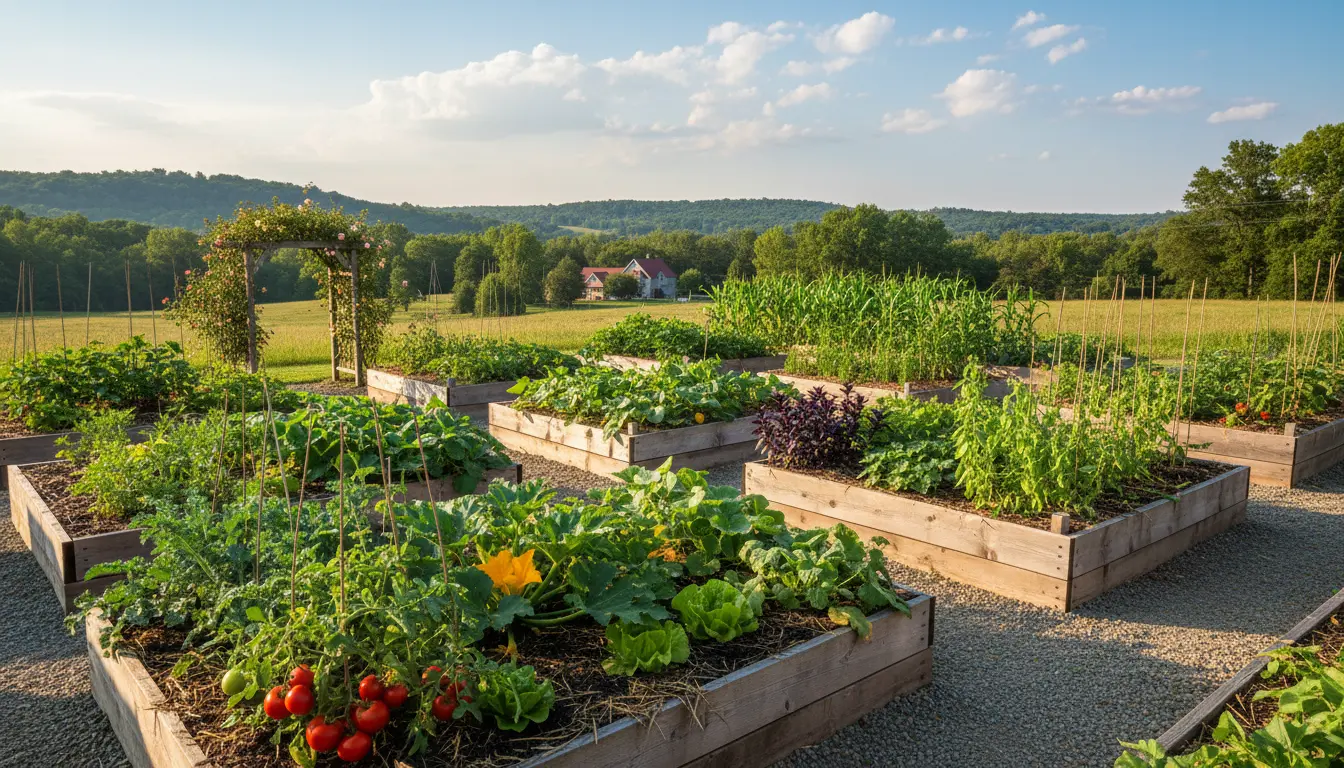
Raised beds are ideal for beginners because they warm faster and drain well. You can also use in-ground beds if soil is workable.
Steps to prepare soil
- Remove existing grass or weeds from the chosen area.
- Loosen soil to about 8 to 12 inches with a fork or spade.
- Mix in 2 to 4 inches of compost and a handful of balanced organic fertilizer.
- Rake smooth and let settle for a week if possible before planting.
Choose Vegetables for Beginners
Pick plants that match your climate and the season. Fast, forgiving vegetables help build confidence for new gardeners.
Good starter vegetables include tomatoes, lettuce, radishes, beans, and zucchini. These crops tend to germinate and grow quickly with basic care.
Easy vegetable list
- Leafy greens: lettuce, spinach, Swiss chard
- Root crops: radishes, carrots
- Fruit vegetables: tomatoes, peppers, cucumbers
- Legumes: bush beans, peas
Planting: Seed vs Seedlings
Decide whether to start from seed or buy young plants. Seeds are cheaper, while seedlings give a head start and are simpler for fast results.
Follow seed packet timing or plant labels for spacing and depth. Water gently after planting and mulch to conserve moisture and reduce weeds.
Practical planting tips
- Plant in the morning or evening to avoid heat stress.
- Use staggered sowing for continuous harvests of lettuce and radishes.
- Label rows so you remember planting dates and varieties.
Watering and Ongoing Care
Consistent watering is one of the most important chores. Aim for deep, infrequent watering rather than shallow daily sprinkles.
Monitor plants for pests and diseases and remove affected leaves early. Use simple supports like stakes or cages for tall plants.
Weekly care checklist
- Water deeply 1 to 2 times per week depending on weather.
- Remove weeds by hand or hoe weekly.
- Check for pests and use organic controls if needed, such as insecticidal soap or row covers.
Many vegetables will produce more if you harvest regularly. For example, picking lettuce leaves encourages the plant to make more foliage.
Simple Harvesting and Rotation
Harvest vegetables when they are ripe and at their best eating quality. Regular harvesting increases total yield over a season.
After a crop finishes, remove old plants and add compost before planting the next one. Rotate families of vegetables to reduce pest build-up.
Rotation example
- Year 1: Tomatoes and peppers (nightshades)
- Year 2: Beans and peas (legumes)
- Year 3: Leafy greens and brassicas
Small Case Study: Backyard Raised Bed
Sara, a city apartment owner, started a single 4×4 raised bed on her balcony. She used store-bought potting mix and planted tomatoes, basil, and lettuce.
By watering twice a week and harvesting lettuce continuously, she produced salad greens all summer. The tomatoes needed staking and weekly feeding but yielded enough for fresh sauce late in the season.
Key takeaways: start small, choose easy crops, and maintain a simple watering routine.
Final Tips to Start a Vegetable Garden
Begin with realistic goals and a small area you can manage. Keep records of planting dates and what worked to improve next season.
Gardening is a learning process. Expect some trial and error, and adjust based on your microclimate and schedule.
Follow these steps to start a vegetable garden and build confidence over a single season. With basic care you can enjoy homegrown vegetables and expand as you learn.