
Start a Vegetable Garden: Overview
Starting a vegetable garden is a practical way to grow fresh food, save money, and enjoy outdoor activity. This guide covers clear, step-by-step actions you can take to get a productive garden in your first season.
Start a Vegetable Garden: Plan Your Space
Good planning makes planting easier and reduces mistakes. Choose a site with at least 6 hours of direct sun and easy access to water.
Consider the size and layout before digging. Small gardens can be highly productive when designed well.
Choose a Garden Type
Select one of these common setups based on space and effort:
- In-ground rows for larger yards.
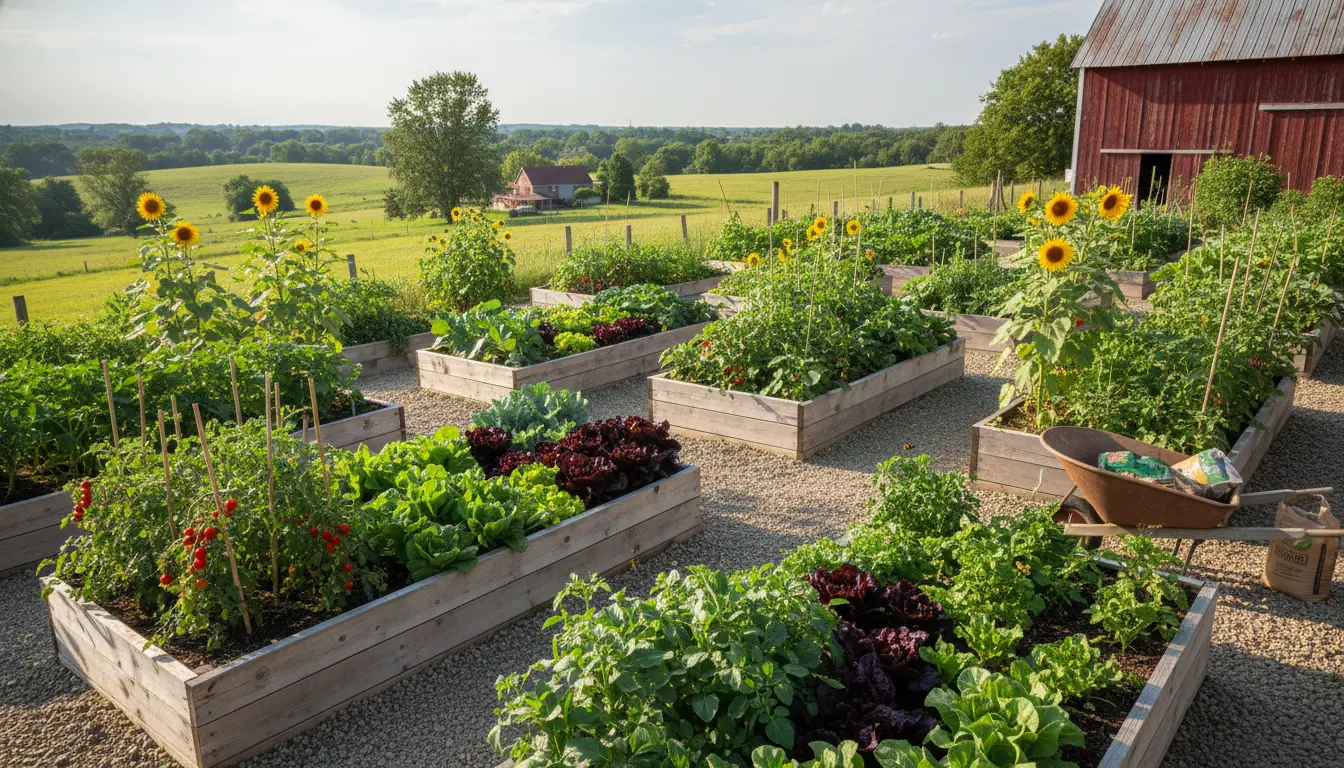
- Raised beds for better soil control and drainage.
- Container gardens for patios and balconies.
Map Your Garden
Sketch a simple map showing bed locations, paths, and water source. Mark sunny and shaded areas to match plants to light conditions.
Start a Vegetable Garden: Soil and Sun
Soil quality and sunlight are the two most important factors for healthy vegetables. Test and improve soil before planting.
Test and Amend Soil
Use a basic soil test kit or send a sample to a local extension service. Aim for loamy soil with good drainage and a pH between 6.0 and 7.0 for most vegetables.
To improve soil, add organic matter such as compost or well-rotted manure. For raised beds, use a mix of topsoil, compost, and coarse sand or aeration material.
Sun and Microclimates
Most vegetables need full sun (6-8 hours). Observe your chosen site at different times of day to identify microclimates, such as cooler spots near trees or warmer south-facing walls.
Start a Vegetable Garden: Planting and Care
Planting at the right time and using correct spacing helps reduce pests and disease while boosting yields. Follow a simple schedule and care routine.
Choose the Right Plants
Pick vegetables that match your climate and season. Beginners should start with easy, forgiving crops.
- Fast and reliable: lettuce, radishes, bush beans.
- Warm-season staples: tomatoes, peppers, cucumbers.
- Long-season crops: carrots, beets, kale.
Planting Tips
Follow seed packet or plant label instructions for spacing and depth. Overcrowding reduces airflow and increases disease risk.
Use succession planting for a steady harvest: sow fast crops every few weeks instead of all at once.
Watering and Mulching
Water deeply and less often to encourage strong roots. Early morning watering reduces evaporation and leaf wetness at night.
Apply 2-3 inches of organic mulch to conserve moisture, suppress weeds, and moderate soil temperature.
Start a Vegetable Garden: Pest Management and Maintenance
Healthy plants resist pests better. Use preventive tactics and monitor regularly for problems.
Integrated Pest Management Basics
Follow these practical steps:
- Inspect plants weekly for signs of pests or disease.
- Remove damaged leaves and maintain good spacing.
- Use physical barriers like row covers for insects and netting for birds.
- Introduce beneficial insects and rotate crops annually.
Start a Vegetable Garden: Harvesting and Storage
Harvest at peak ripeness for best flavor and nutrition. Different crops have simple cues to tell you when to pick.
- Lettuces: harvest outer leaves or cut the whole head when mature.
- Tomatoes: pick when color is even and fruit yields slightly to touch.
- Carrots and beets: check size by brushing soil around the top.
Raised beds can warm soil faster in spring, allowing earlier planting by up to two weeks compared with in-ground beds.
Small Case Study: A First-Year Raised Bed
Emma, a city renter, built two 4×8 raised beds and filled them with a 50/50 mix of compost and topsoil. She planted tomatoes, bush beans, lettuce, and radishes in spring.
By midsummer she harvested weekly salads, a steady supply of beans, and four tomato plants that yielded enough for cooking and sharing. Her key steps were regular compost additions and weekly checks for pests.
Result: a small investment of time and materials produced fresh vegetables and reduced grocery bills within one season.
Quick Checklist to Start a Vegetable Garden
- Choose a sunny site and map the layout.
- Test soil and add compost or choose a raised bed mix.
- Select climate-appropriate, easy crops for your first year.
- Plant with correct spacing and follow a watering schedule.
- Use mulch, monitor pests, and harvest at peak ripeness.
Final Tips for Success
Start small and expand after one season. Focus on a few reliable crops to build confidence and know-how.
Keep notes: planting dates, varieties, and how each crop performed. Simple records help you improve year to year.