
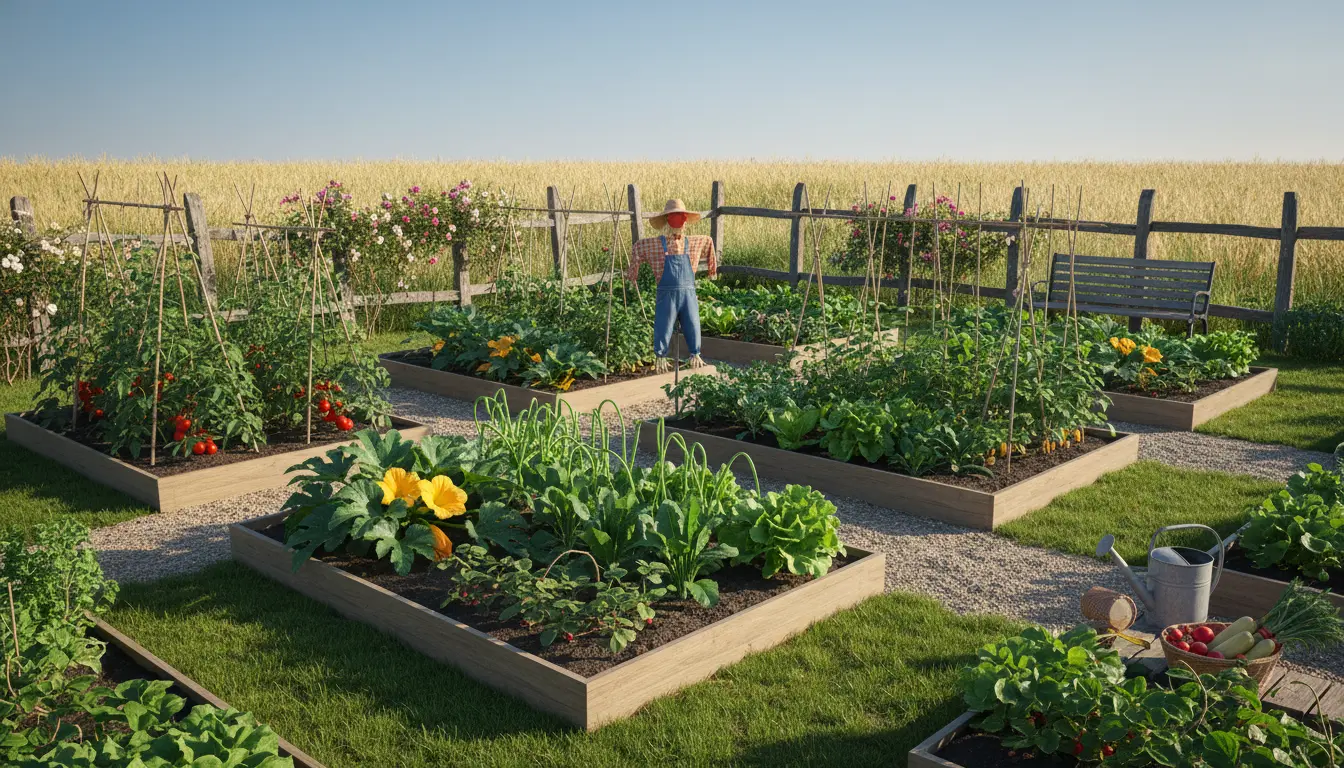
Planning to start a vegetable garden
Starting a vegetable garden begins with a simple plan. Decide what you want to grow, how much time you can commit, and the space you have available.
Short planning saves time and reduces wasted effort once planting begins.
Choose the right location to start a vegetable garden

Select a sunny spot that gets at least 6 hours of direct sunlight daily. Good drainage is important to avoid waterlogged roots.
Consider proximity to a water source and visibility so you remember to tend the garden.
Soil and containers: get the foundation right
Healthy soil is the most important factor for a productive garden. Test the soil pH and texture, or use a simple home kit.
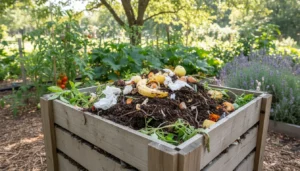
If your yard soil is poor, raised beds or containers with a mix of topsoil and compost offer predictable results.
Soil basics when you start a vegetable garden
- Amend with compost: improves structure and nutrients.
- Loosen compacted soil: roots need air and space.
- Aim for a pH of 6.0 to 7.0 for most vegetables.
What to plant first when you start a vegetable garden
Begin with easy, fast-growing crops to build confidence. Leafy greens and herbs often perform well for beginners.
Choose varieties suited to your climate and planting season.
Good starter vegetables
- Lettuce and spinach — quick harvests and tolerant of partial shade.
- Tomatoes — rewarding but need sun and staking.
- Radishes and carrots — simple root crops for containers or beds.
- Zucchini and bush beans — high yield and low fuss.
Planting and spacing when you start a vegetable garden
Follow packet instructions for seed depth and spacing. Crowded plants compete for light and nutrients.
Use succession planting to keep a steady harvest: sow small amounts every 2–3 weeks for crops like lettuce and radishes.
Simple planting schedule
- Early spring: peas, radishes, spinach.
- After last frost: tomatoes, peppers, beans.
- Late summer: fall lettuces, kale, root crops.
Watering, feeding, and maintenance
Consistent watering is more important than frequent shallow watering. Aim for deep, less frequent irrigation to encourage strong roots.
Mulch reduces evaporation and suppresses weeds. Apply a 2–3 inch layer around plants, keeping mulch away from stem bases.
Fertilizer and care
- Use a balanced organic fertilizer once plants are established.
- Monitor for pests and remove by hand where possible.
- Stakes and cages support vining plants and prevent disease from soil splash.
Troubleshooting when you start a vegetable garden
Common problems include pests, nutrient deficiencies, and inconsistent watering. Observe plants daily during the growing season.
Identify issues early: yellow leaves often indicate nutrient or watering problems, while holes can signal insect pests.
Quick remedies
- For aphids: spray with a strong jet of water or use insecticidal soap.
- For blight: remove affected leaves and improve air circulation.
- For poor growth: add compost or a balanced fertilizer and check pH.
Harvest and crop rotation
Harvest vegetables at their recommended maturity for best flavor and to encourage more production. Pick regularly to avoid overripening on the plant.
Rotate crops annually to reduce disease pressure and balance soil nutrients.
Storage tips
- Leafy greens: refrigerate in a plastic bag for up to a week.
- Tomatoes: store at room temperature away from direct sunlight.
- Root vegetables: keep in a cool, dark place for longer storage.
Real-world example: a small raised bed success
Case study: Maria, a first-time gardener with a 4×8 foot raised bed, started in spring. She chose tomatoes, lettuce, and radishes and amended the soil with compost.
She watered deeply twice a week, mulched, and used tomato cages. By mid-summer she harvested continuous lettuce and several pounds of tomatoes, learning to thin seedlings the next season for healthier plants.
Final tips when you start a vegetable garden
Start small and expand after your first season. Small beds are easier to manage and teach essential skills without overwhelming you.
Keep a simple garden journal: record planting dates, varieties, and harvests to improve decisions next year.
With basic planning, the right site, and consistent care you can successfully start a vegetable garden and enjoy fresh homegrown produce.