
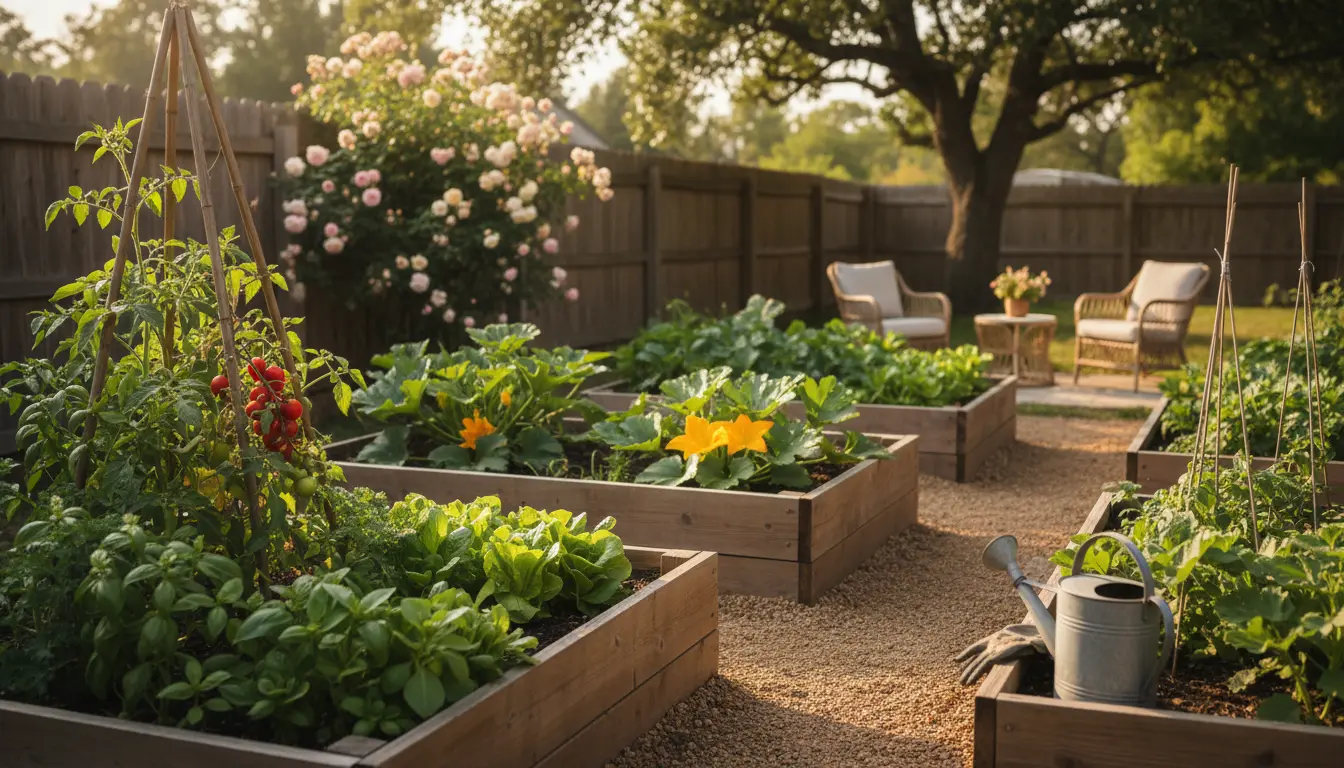
Plan How to Start a Vegetable Garden
Starting a vegetable garden begins with a simple plan. Decide what you want to grow and how much time you can commit each week.
Choose easy starter crops like lettuce, radishes, tomatoes, and herbs. These give quick rewards and teach basic garden care.
Set goals and scale
Pick a garden size that fits your schedule. A 4 x 8 foot raised bed suits most beginners. Smaller containers work for balconies or patios.
Choose the Right Spot to Start a Vegetable Garden
Light is the most important factor when you start a vegetable garden. Most vegetables need 6–8 hours of direct sun per day.
Also check access to water and soil slope. Flat ground with easy hose access makes maintenance much simpler.
Sun, water, and protection
- Full sun: tomatoes, peppers, cucumbers.
- Partial shade: leafy greens and some herbs.
- Protect from strong wind using fencing or shrubs.
Soil and Compost: Foundation to Start a Vegetable Garden
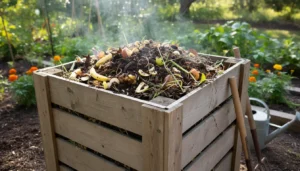
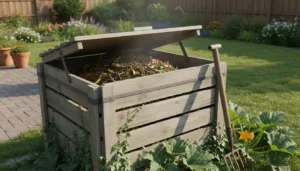
Good soil is key when you start a vegetable garden. Test soil pH and texture if possible; most vegetables prefer pH 6.0–7.0.
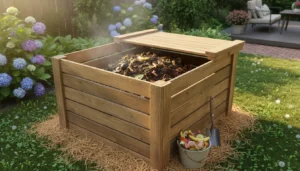
Improve poor soil with compost and organic matter. This increases drainage, fertility, and root health.
Soil improvement steps
- Remove grass and weeds from the planting area.
- Spread 2–3 inches of compost over the soil.
- Mix compost into the top 6–8 inches with a fork or tiller.
- Apply a balanced organic fertilizer if a soil test indicates low nutrients.
Planting and Care When You Start a Vegetable Garden
Plant at the right time for your climate. Use seed packets or plant tags as a guide for spacing and depth.
Watering, mulching, and weeding are regular tasks that determine success in a new garden.
Watering schedule and mulch
- Water early in the morning to reduce disease risk.
- Aim for 1–1.5 inches of water per week from rain and irrigation.
- Apply 2–3 inches of organic mulch to retain moisture and suppress weeds.
Pest Control and Crop Rotation
Expect some pests and diseases. Start with non-chemical methods like handpicking, row covers, and beneficial insects.
Rotate crops each season to prevent soil-borne diseases and nutrient depletion.
Simple pest management
- Inspect plants weekly for holes, discoloration, or pests.
- Use floating row covers for young brassicas and cucurbits.
- Encourage bees and ladybugs with flowering herbs and native plants.
Common Mistakes When You Start a Vegetable Garden
New gardeners often overplant, under-mulch, or water at the wrong time. These errors reduce yields and increase work.
Start small, observe, and expand the garden area after your first successful season.
Mistakes to avoid
- Planting too close together — follow spacing guidance on seed packets.
- Watering at night — this promotes fungal problems.
- Ignoring soil improvement — poor soil leads to poor plants.
Case Study: Small Backyard Garden Success
Jane started a 4 x 8 raised bed in her suburban yard. She tested the soil, added compost, and planted tomatoes, basil, and lettuce.
In the first season she harvested 18 lbs of tomatoes and continuous salad greens with two 20-minute maintenance sessions per week.
Key actions that helped Jane: choosing suitable crops, mulching, and consistent morning watering.
Bean plants can add nitrogen to the soil through a natural process called nitrogen fixation, reducing the need for nitrogen fertilizer.
Quick Checklist to Start a Vegetable Garden
- Choose a sunny spot with good water access.
- Decide bed type: raised bed, in-ground, or containers.
- Improve soil with compost and test pH if possible.
- Plant easy crops first and follow spacing guidelines.
- Water regularly, mulch, and monitor for pests.
Final Tips for Gardeners Starting a Vegetable Garden
Keep a simple garden journal to record planting dates, varieties, and problems. Notes help you improve next season.
Be patient. Vegetable gardening is a seasonal learning process and yields improve with experience.