
Why Start a Vegetable Garden
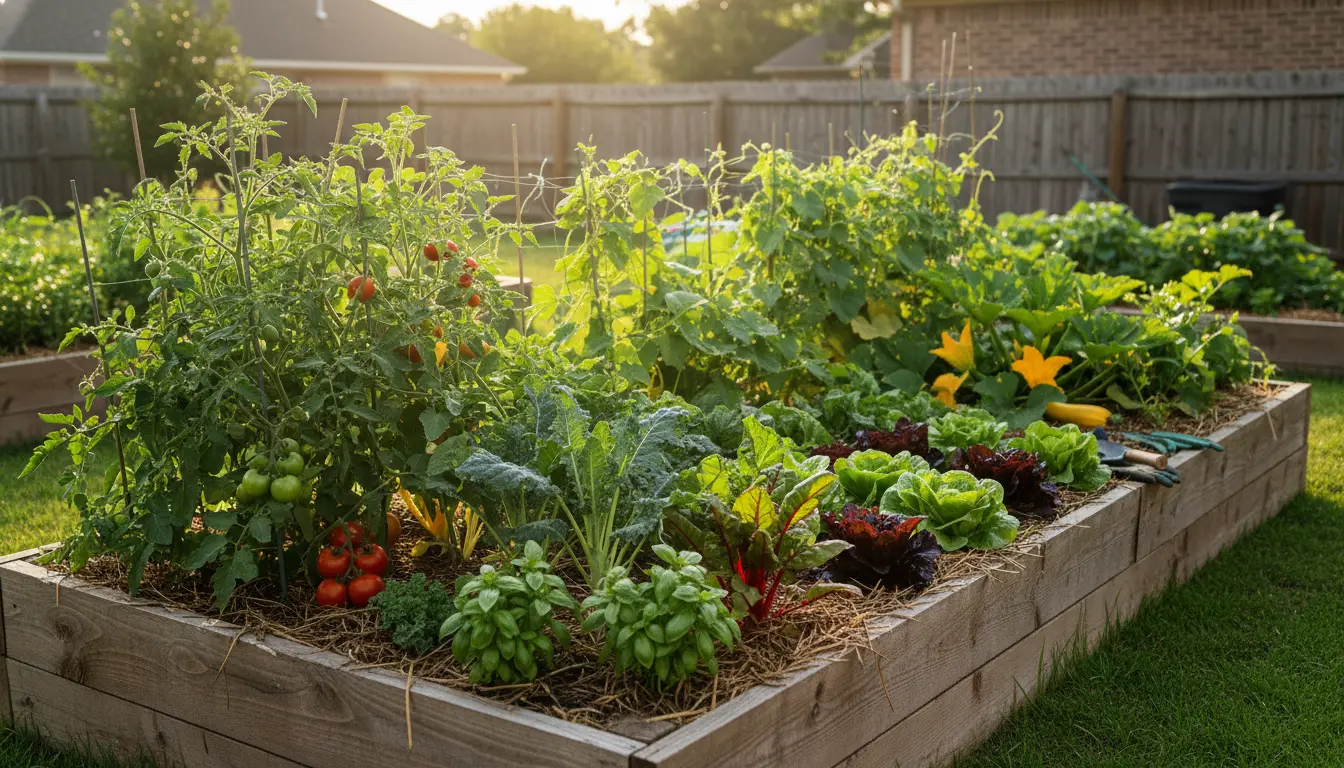
Growing your own vegetables saves money, improves meal quality, and connects you to the food cycle. The process is manageable for beginners when you follow clear, practical steps.
Plan Before You Plant: How to Start a Vegetable Garden
Begin with a simple plan. Choose what you and your household actually eat, then list two to six crops to start with. Small, focused gardens are easier to manage than large ambitious plots.
Choose Vegetables for Success

Pick fast-growing, low-maintenance varieties for your first season. Good beginner choices include lettuce, radishes, bush beans, cherry tomatoes, and herbs like basil.
Decide Location and Size
Select a site that gets at least six hours of sunlight daily. If space is limited, use containers or raised beds. Aim for a manageable area—100–200 square feet is plenty for beginners.
Prepare Soil and Containers
Healthy soil is the most important factor for a productive garden. Test and improve soil before planting to reduce problems later in the season.
- Test soil pH with a home kit or local extension service.
- Amend heavy clay with compost and coarse sand for drainage.
- Use a quality potting mix for containers and raised beds.

Work two to three inches of compost into the top six inches of soil. This improves nutrients and structure without complex chemistry.
Planting: Timing and Technique
Follow seed packet instructions for depth and spacing. Plant cool-season crops like lettuce and radish early, and warm-season crops like tomatoes after the last frost.
Seed vs. Seedlings
Seeds are cheaper but require more attention. Starter plants give faster results and are useful for tomatoes, peppers, and eggplants.
Spacing and Rows
Give plants the spacing they need to avoid crowding and disease. Use companion planting to maximize space—e.g., lettuce under taller tomatoes for shade.
Watering and Feeding
Consistent watering is more important than frequent shallow watering. Aim for deep, infrequent irrigation so roots grow downward and plants become drought-tolerant.
- Water early morning to reduce evaporation and disease risk.
- Use drip irrigation or a soaker hose to keep foliage dry.
- Apply a balanced organic fertilizer once every 3–4 weeks during the growing season.
Pest and Disease Management
Use preventive measures first. Healthy plants, good spacing, and clean soil reduce most problems. Scout the garden weekly for pests and early signs of disease.
- Handpick larger pests like beetles and caterpillars.
- Use row covers to protect young crops from insects.
- Rotate crops each year to reduce soil-borne diseases.
Harvesting and Storage
Harvest at peak ripeness for best flavor. Many vegetables, such as beans and zucchini, produce more if picked frequently. Store root crops in a cool, dark place and refrigerate leafy greens quickly after harvest.
Simple Harvest Tips
- Pick tomatoes when they are just fully colored for best flavor.
- Harvest lettuce by outer leaves or cut the whole head early in the morning.
- Check beans every 2–3 days to keep them tender.
Common Mistakes and How to Avoid Them
- Overplanting: Stick to a small number of crops in year one.
- Poor soil prep: Invest time in composting and testing soil pH.
- Ignoring watering patterns: Establish a watering schedule and adjust for rain.
Real-World Example: A Small Urban Garden Case Study
Case: Sarah, a city renter with a 10×10 balcony, started with three large containers and chose cherry tomatoes, basil, and leaf lettuce. She used a commercial potting mix, added compost, and installed a drip line with a simple timer.
Result: In her first season she harvested regular salads from June to October, averaged a dozen cherry tomatoes per week at peak, and saved roughly $200 in produce costs. Challenges included occasional aphid outbreaks, which she controlled with a soap spray and beneficial insects.
Quick Start Checklist
- Decide location and measure available space.
- Choose 2–6 beginner-friendly crops.
- Test and amend soil or buy good container mix.
- Plant according to season and spacing guidelines.
- Water deeply, fertilize regularly, and scout for pests.
- Harvest frequently and enjoy fresh produce.
Final Tips for New Gardeners
Keep records: note planting dates, varieties, and harvest yields. This simple log helps you improve next season’s choices.
Start small and expand: each year add one new crop or a few more square feet. Gardening skills grow with experience and observation.