
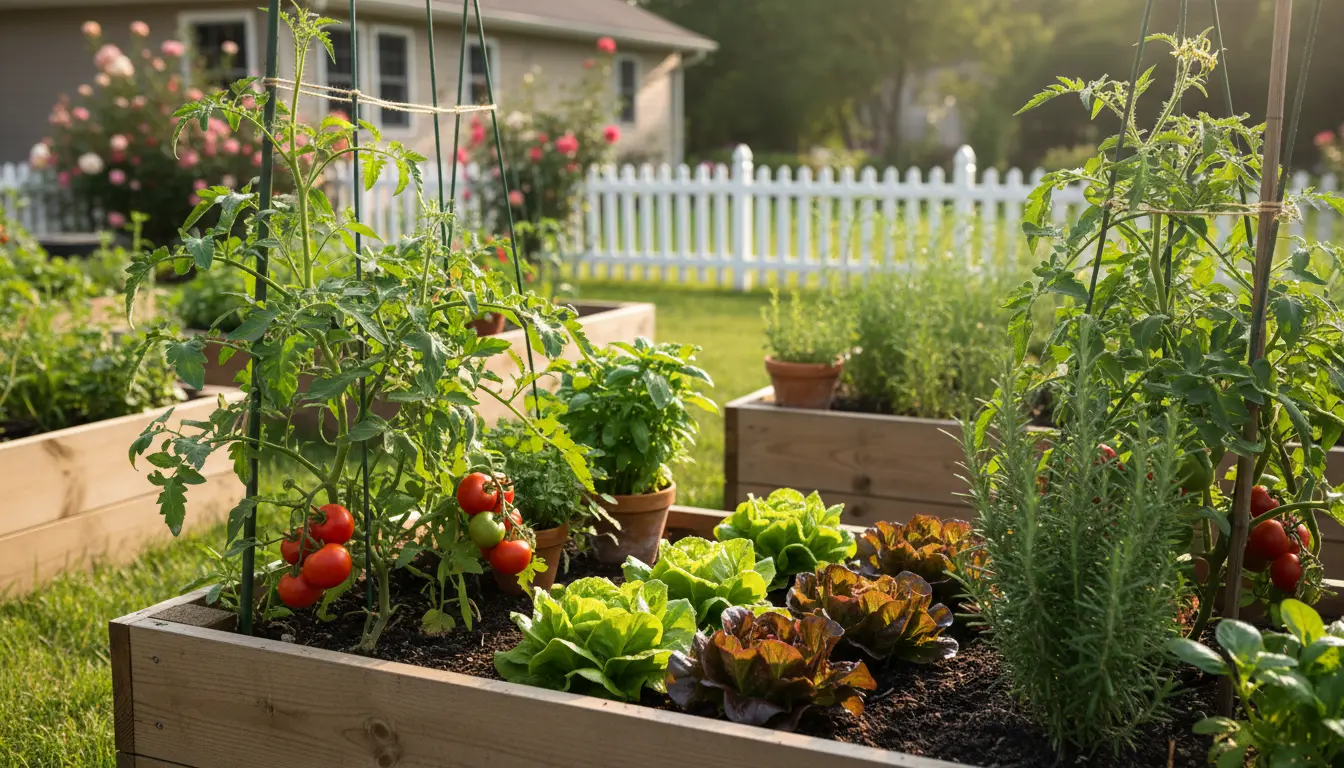
Starting a vegetable garden is a practical way to grow fresh food, save money, and learn useful outdoor skills. This guide gives clear, actionable steps so you can start a vegetable garden even with limited space and time.
How to start a vegetable garden: choose the right location
Good location sets the foundation for success. Vegetables need sunlight, so pick a spot with at least 6 hours of direct sun daily.
Consider access to water, protection from strong winds, and ease of access for planting and harvesting. If you have limited space, use containers or raised beds.
Sun, water, and space considerations
Ensure the site is close enough to a hose or drip line. Avoid areas with heavy shade or poor drainage. Check for overhead wires and tree roots that compete for water.
Measure the space and plan planting rows or beds to allow pathways for comfortable access.
How to start a vegetable garden: prepare the soil
Soil quality is the next critical factor. Healthy, loose soil supports root growth and nutrient uptake for vegetables.
Test basic soil pH and texture if possible, or observe current soil drainage by digging a test hole and filling it with water.
Simple soil improvement steps
- Add 2–4 inches of organic matter such as compost or well-rotted manure to the topsoil.
- Mix in a balanced, slow-release organic fertilizer if your soil test shows low nutrients.
- Use raised beds if your native soil is very clay-heavy or sandy; raised beds improve drainage and root space.
How to start a vegetable garden: pick easy crops for beginners
Choose vegetables that are forgiving and quick to produce. Successful early choices build confidence and provide lessons for later seasons.
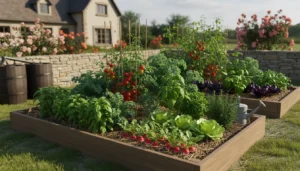
Good starter crops include lettuce, spinach, radishes, green beans, cherry tomatoes, and herbs like basil and parsley.
Why these crops work well
- Lettuce and radishes grow quickly and tolerate cool weather.
- Green beans and tomatoes give high yields with moderate care.
- Herbs are low-maintenance and helpful in the kitchen.
How to start a vegetable garden: planting and spacing
Follow seed packet or plant tag spacing to avoid crowding. Crowded plants compete for light and nutrients and can invite disease.
Use square-foot gardening or traditional row spacing depending on your preference and bed size.
Planting tips
- Start seeds indoors for crops with long seasons (tomatoes, peppers) about 6–8 weeks before last frost.
- Direct-sow quick crops (radishes, beans, peas) when soil temperatures are appropriate.
- Harden off seedlings by gradually exposing them to outdoor conditions over 7–10 days.
How to start a vegetable garden: watering, feeding, and maintenance
Consistent watering is essential. Most vegetables benefit from deep, less frequent watering rather than frequent shallow watering.
Apply mulch to keep soil moisture steady and suppress weeds. Mulch also moderates soil temperature around roots.
Simple maintenance routine
- Water in the morning to reduce evaporation and leaf wetness at night.
- Monitor plants weekly for pests, disease, and nutrient deficiencies.
- Stake or cage vining plants like tomatoes to improve airflow and ease harvesting.
How to start a vegetable garden: pest control and common problems
Early gardens often face pests like slugs, aphids, and cucumber beetles. Use simple, low-toxicity strategies first.
Introduce physical barriers, hand-pick pests, and encourage beneficial insects with flowering plants.
Practical pest control methods
- Use row covers to protect seedlings from insects and birds.
- Apply organic insecticidal soap or neem oil for soft-bodied pests when necessary.
- Rotate crops yearly to reduce soil-borne disease buildup.
Planting a mix of flowers and herbs alongside vegetables can attract pollinators and beneficial predators that reduce pest pressure naturally.
Small case study: starting a productive two-bed garden
Maria, an apartment renter, used two 4×4 raised beds on a sunny balcony to start her garden. She filled beds with a 60/40 mix of compost and topsoil and planted tomatoes, lettuce, basil, and bush beans.
In her first season she harvested lettuce weekly and several pounds of tomatoes. She spent about 30 minutes weekly on watering and weeding. Her main adjustments were increasing mulch and staking tomatoes earlier to prevent stem damage.
How to start a vegetable garden: seasonal planning and record keeping
Keep a simple journal with planting dates, varieties, and harvest notes. This record helps you refine timing and crop choices each year.
Plan succession planting to maximize harvests: after early lettuces finish, plant warm-season crops like peppers or squash in the freed space.
Quick checklist to get started this weekend
- Choose a sunny site and measure your space.
- Prepare or buy a container/raised bed and fill with quality soil mix.
- Select 3–5 beginner-friendly crops and buy seeds or seedlings.
- Plant according to spacing and set up a simple watering schedule.
Starting a vegetable garden is a process of small, consistent actions. Focus on good location, improved soil, and simple care routines. Over time you will learn which crops and methods suit your climate and schedule.