
How to Start a Vegetable Garden: First Steps
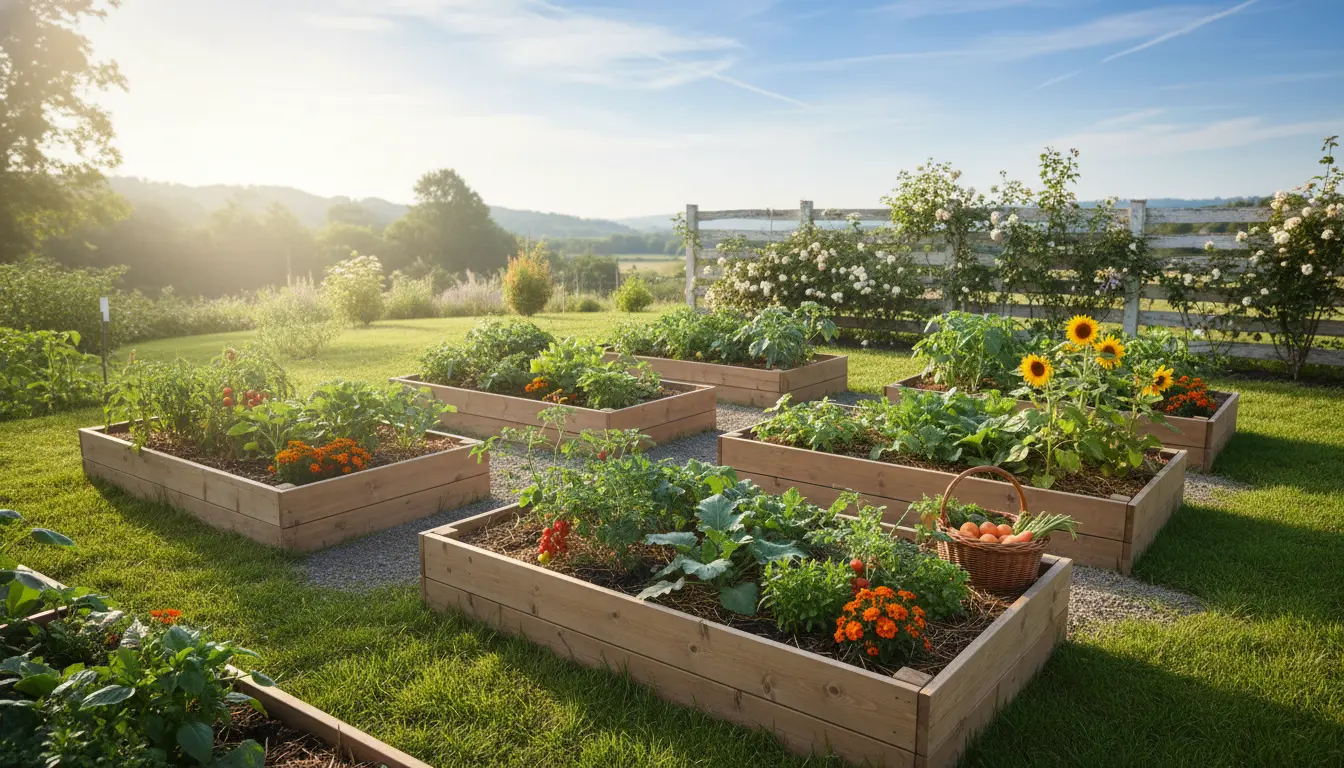
Starting a vegetable garden is practical and rewarding. This guide gives clear, actionable steps for beginners to plan, plant, and maintain a productive garden.
Choose a Location for Your Vegetable Garden
Pick a site with at least six hours of direct sun daily for most vegetables. Sun exposure is the single most important factor for a productive vegetable garden.
Also consider access to water, level ground, and proximity to your home. A spot you pass often is easier to maintain.
Small Space Options for a Vegetable Garden
If you have limited space, use raised beds, containers, or vertical planters. Many vegetables do well in containers if they have good soil and drainage.
- Raised beds: better drainage and soil control.
- Containers: ideal for tomatoes, peppers, and herbs.
- Vertical planters: save ground space for vining crops.
Prepare Soil for a Healthy Vegetable Garden
Good soil is foundation for growth. Test the soil pH and nutrient levels with a basic kit or local extension service.
Loosen compacted soil and work in organic matter like compost. Aim for loose, crumbly soil that retains moisture but drains well.
Soil Preparation Steps
- Remove weeds and debris.
- Amend with 2–4 inches of compost and mix into the top 6–8 inches.
- Adjust pH if needed: lime for acidic soil, sulfur for alkaline soil.
Select Vegetables for Your Garden
Choose crops that match your climate, season, and taste. Beginners should start with reliable, low-maintenance vegetables.
Popular beginner vegetables include tomatoes, lettuce, radishes, green beans, and herbs like basil and parsley.
Plant Selection Tips
- Plant fast-growing crops (radishes, lettuce) to see quick results.
- Include a mix of leafy greens, fruiting plants, and root vegetables.
- Buy disease-resistant varieties suited to your region.
Planting and Watering in Your Vegetable Garden

Follow seed packet or plant tag instructions for spacing and depth. Crowd plants too closely and you risk poor airflow and disease.
Water deeply and less frequently to encourage strong roots. Early morning watering reduces evaporation and fungal risk.
Watering Guidelines for a Vegetable Garden
- New transplants: keep soil consistently moist for the first two weeks.
- Mature plants: water 1–2 inches per week, adjusting for rainfall.
- Use soaker hoses or drip irrigation to minimize leaf wetness.
Maintenance and Pest Control for a Vegetable Garden
Regular maintenance keeps plants productive. Tasks include weeding, staking, pruning, and monitoring for pests and diseases.
Use integrated pest management: hand-pick pests, introduce beneficial insects, and use barriers like row covers when needed.
Simple Weekly Routine
- Inspect plants for pests and disease signs.
- Harvest ripe vegetables to encourage more production.
- Pull weeds and top up mulch to conserve moisture.
Planting a mix of flowers and herbs near your vegetable garden can attract pollinators and beneficial insects, boosting yields without chemicals.
Common Problems and Practical Fixes for a Vegetable Garden
Yellow leaves can signal nutrient deficiency or overwatering. Check soil moisture and add compost or a balanced organic fertilizer if needed.
Blossom end rot on tomatoes usually means inconsistent watering or low calcium. Maintain even moisture and add calcium if persistent.
Example Fixes
- Slugs and snails: use beer traps or hand removal at night.
- Aphids: blast with water or introduce ladybugs.
- Fungal diseases: improve airflow and remove infected leaves promptly.
Small Case Study: Sarah’s First Season Vegetable Garden
Sarah started a 4×8 raised bed in spring with tomatoes, lettuce, and beans. She prepared soil with compost and used mulch to retain moisture.
In her first season she learned to water in the morning and harvest lettuce early. By mid-summer she had continuous salads and a successful tomato crop.
Key takeaways: start small, amend soil, and check plants weekly.
Harvesting and Planning Next Season for a Vegetable Garden
Harvest vegetables at peak ripeness to enjoy the best flavor and nutrition. Record what worked and what did not for next season planning.
Rotate crops annually to reduce soil-borne diseases and maintain fertility. Replace depleted areas with cover crops or fresh compost.
Simple Harvesting Tips
- Pick leafy greens before they bolt for best taste.
- Harvest tomatoes when fully colored and slightly soft to the touch.
- Store root vegetables in a cool, dark place after curing.
Starting a vegetable garden combines planning, routine care, and small adjustments. Follow these steps, learn from each season, and expand as your confidence grows.