
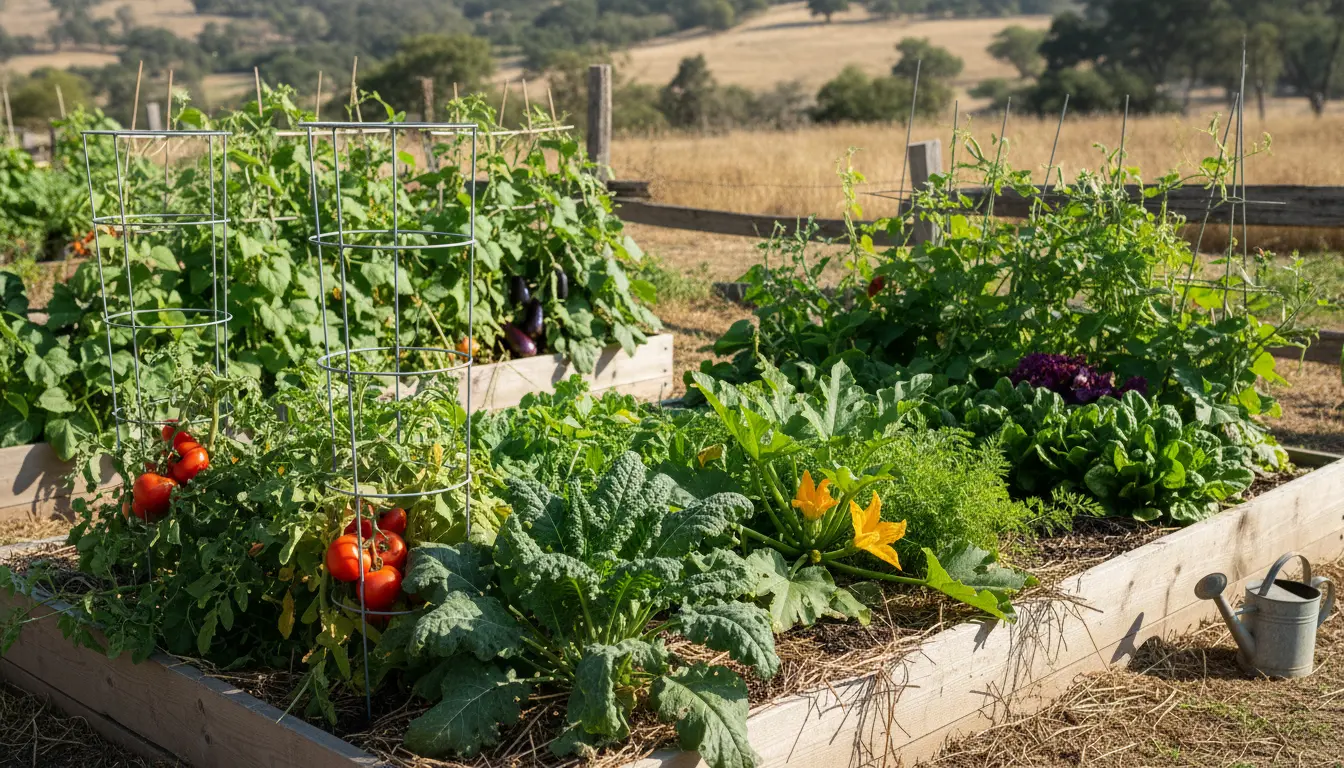
Starting a vegetable garden can seem overwhelming, but a clear plan makes it manageable. This guide explains how to start a vegetable garden with practical steps you can apply in a small backyard or balcony.
How to Start a Vegetable Garden: Choose the Right Site
Choosing the right location is one of the first steps when you start a vegetable garden. Pick a spot that receives at least 6 hours of direct sunlight a day for most vegetables.
Consider access to water, wind exposure, and convenience for daily care. Avoid low areas that collect cold air or excess water.
Soil and Sunlight When You Start a Vegetable Garden
Soil quality and sunlight determine plant health more than anything else. Test the soil for texture and drainage by digging a small hole and filling it with water.
If the water drains within a few hours, drainage is fine. For nutrient testing, use a home test kit or send a sample to a local extension office.
How to Start a Vegetable Garden: Plan Your Layout and Plants
Start small to reduce maintenance and increase your chance of success. Choose 3–6 types of vegetables you eat regularly to keep motivation high.
Consider the season and your climate zone when selecting plants. Cool-season crops include lettuce and peas, while tomatoes and peppers prefer warm conditions.
Plant Choices and Spacing
Read seed packets or plant tags for spacing and sunlight needs. Crowding plants leads to disease and poor yields.
Use vertical space for vining crops like beans and cucumbers to save ground space and improve airflow.
How to Start a Vegetable Garden: Prepare Soil and Beds
Good soil is the backbone of a productive garden. Most vegetables prefer loose, well-drained soil with plenty of organic matter.
Improve soil by adding 2–4 inches of compost and gently mixing it into the top 6–8 inches. Avoid compacting the soil after amendment.
- Tools to prepare soil: spade, fork, rake, hand trowel
- Amendments: compost, aged manure, balanced organic fertilizer
- Bed types: in-ground rows, raised beds, container gardens
How to Start a Vegetable Garden: Planting and Watering
Plant seedlings or direct-sow seeds according to depth and timing instructions on the packet. Early morning is the best time for planting and watering.
Water deeply and less frequently to encourage deep root growth. Aim for 1–1.5 inches of water per week, adjusting for rainfall and soil type.
Mulching and Weed Control
Mulch around plants with straw, wood chips, or shredded leaves to conserve moisture and suppress weeds. Leave a small gap at the stem to prevent rot.
Pull weeds when they are small to avoid disturbing plant roots and to reduce seed spread.
How to Start a Vegetable Garden: Pest and Disease Basics
Monitor plants weekly for signs of pests and disease. Early detection makes control easier and reduces crop loss.
Use integrated pest management (IPM): manual removal, barriers, companion planting, and targeted organic sprays if needed.
- Common pests: aphids, slugs, caterpillars
- Common diseases: blight, powdery mildew, root rot
- Prevention tips: crop rotation, good spacing, clean tools
How to Start a Vegetable Garden: Maintenance and Harvesting
Regular maintenance includes weeding, staking, pruning, and checking irrigation. Keep a simple schedule to avoid falling behind.
Harvest regularly to encourage more production. Pick vegetables at peak ripeness for best flavor and nutritional value.
Companion planting can reduce pests and improve yields. For example, planting basil near tomatoes can help repel insects and improve tomato flavor.
Small Case Study: A Real-World Example
Case: Maria converted a 6×4 foot unused corner of her yard into a raised bed garden. She chose tomatoes, salad greens, bush beans, and herbs for easy care.
She built a simple cedar raised bed, filled it with a 50/50 mix of compost and screened topsoil, and added a drip irrigation line. In her first season she harvested enough lettuce for weekly salads and several pounds of tomatoes.
Key takeaways from Maria’s experience: start small, invest in soil, and water consistently.
How to Start a Vegetable Garden: Quick Checklist
- Choose a sunny site with good drainage.
- Test and amend soil with compost.
- Select 3–6 easy vegetables for your first year.
- Plant at the recommended time and spacing.
- Water deeply, mulch, and monitor for pests.
Starting a vegetable garden is a process of planning, small investments, and consistent care. Follow these practical steps and adapt based on your space and climate.
Begin with a small bed, keep records of what works, and expand as you gain confidence. Gardening rewards patience and observation, and even a small plot can provide fresh food and satisfaction.