
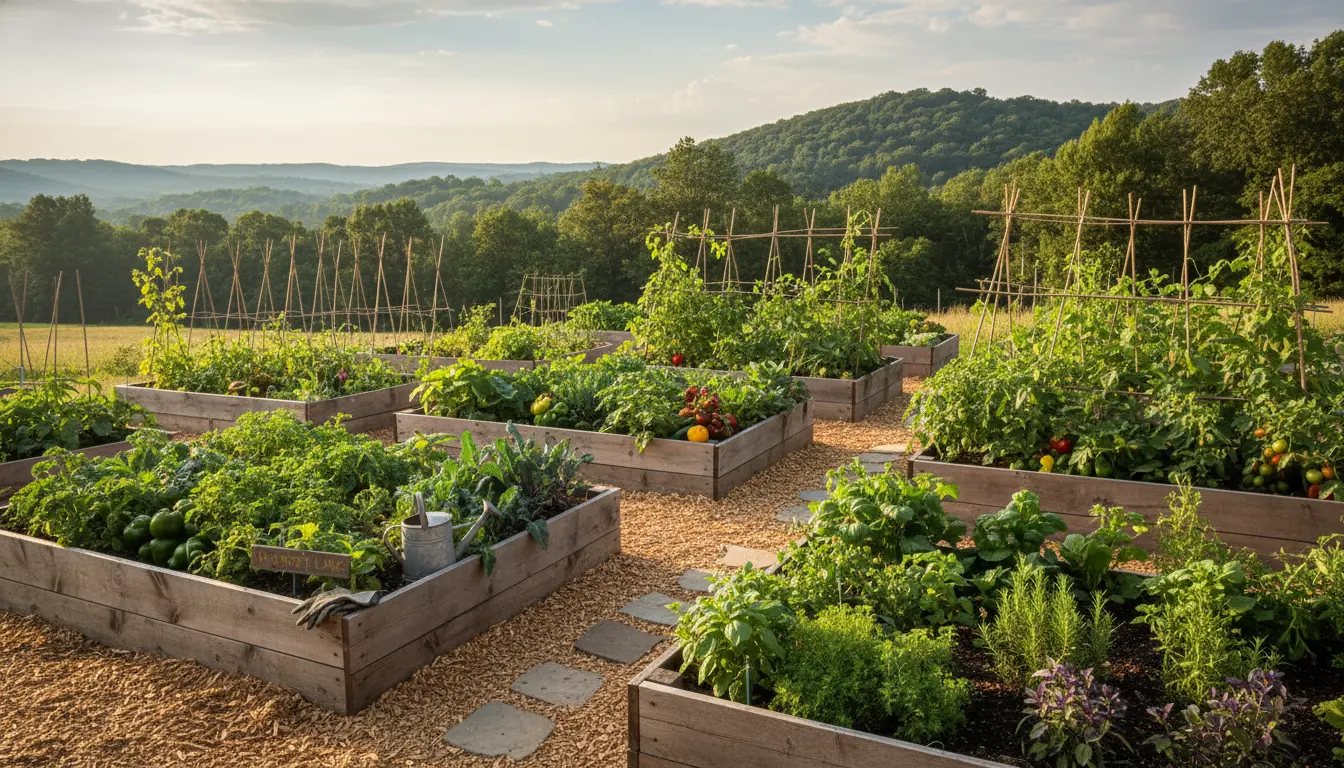
Getting started with your vegetable garden
Starting a vegetable garden is a practical way to grow fresh food, save money, and enjoy outdoor time. This guide explains clear steps you can follow, whether you have a backyard, balcony, or small urban plot.
Plan your vegetable garden
Good planning reduces wasted effort. Begin by choosing a location that gets at least 6 hours of direct sun each day. Observe the space for a few days to confirm sunlight and shade patterns.
Decide on the garden type: in-ground, raised beds, or containers. Raised beds and containers are ideal for small spaces and offer better soil control.
Vegetable garden layout and size
Match garden size to your available time. For beginners, a 4×8 foot raised bed or a few large containers is manageable.
- 4×8 raised bed: fits many common plants
- Containers: use for herbs, tomatoes, peppers
- Multiple small beds: easier to rotate crops
Choose what to grow in your vegetable garden
Select vegetables that you and your household will eat and that match your climate. Fast-growing, forgiving crops are best for beginners.
Good starter plants include lettuce, radishes, bush beans, cherry tomatoes, spinach, and herbs like basil.
Companion planting basics
Companion planting can improve yields and reduce pests. Examples:
- Tomatoes with basil to enhance flavor and deter pests
- Carrots with onions to reduce carrot fly damage
- Beans with corn for mutual support
Prepare soil for a productive vegetable garden
Soil quality is the most important factor for success. Test the soil pH if possible; most vegetables prefer pH 6.0–7.0.
Improve soil structure with organic matter. Mix in compost or well-rotted manure to increase fertility and drainage.
Steps to prepare garden soil
- Clear weeds and debris from the area.
- Loosen the top 8–12 inches with a fork or tiller.
- Add 2–4 inches of compost and mix thoroughly.
- Rake smooth and let settle for a few days before planting.
Planting and routine care for your vegetable garden
Follow seed packet dates or nursery transplant recommendations for your climate zone. Plant at the right depth and spacing to avoid crowding.
Water consistently. Young plants need regular moisture; aim for deep, infrequent watering rather than frequent shallow watering.
Mulch and fertilize
Apply a 2–3 inch layer of organic mulch to retain moisture, suppress weeds, and moderate soil temperature.
Use balanced organic fertilizer or side-dress with compost mid-season for heavier feeders like tomatoes and corn.
Common problems and troubleshooting in a vegetable garden
Pests, diseases, and nutrient deficiencies are typical challenges. Inspect plants regularly to catch issues early.
Simple responses include hand-picking pests, applying row covers to prevent insect damage, and improving air flow to reduce fungal disease.
Quick fixes
- Yellow leaves: check for overwatering or nitrogen deficiency.
- Wilting: check soil moisture and roots for rot or pests.
- Holes in leaves: inspect for caterpillars or slugs at night.
Most vegetable gardens yield the highest productivity when planted in succession. Plant quick crops like lettuce and radishes between slower crops to make the most of space.
Harvesting and saving seeds from your vegetable garden
Harvest vegetables at peak ripeness for best flavor and nutrition. Pick frequently to encourage more production, especially with beans and tomatoes.
If you plan to save seeds, allow some plants to fully mature and dry on the plant, and label varieties carefully.
Case study: Small urban raised-bed vegetable garden
Maria transformed a 4×8 foot raised bed on her apartment patio into a productive kitchen garden. She used a soil mix of 50% compost and 50% high-quality topsoil, and installed drip irrigation on a timer.
In her first season she grew cherry tomatoes, basil, lettuce, and bush beans. Regular mulching and weekly checks kept pest problems low. The raised bed produced enough fresh leaves and tomatoes for weekly meals, showing that small spaces can be very productive.
Practical tips to keep your vegetable garden thriving
- Start small and expand as you gain confidence.
- Keep a garden journal to track planting dates, varieties, and outcomes.
- Rotate crops yearly to prevent pest buildup and nutrient depletion.
- Use season extenders like row covers for earlier starts and later harvests.
Final checklist before you plant your vegetable garden
- Confirm sunny location and water access.
- Prepare soil with compost and correct pH if needed.
- Choose beginner-friendly vegetables that you will eat.
- Plan a watering and maintenance routine you can keep up.
Starting a vegetable garden is a step-by-step process that rewards planning and regular care. Follow these practical steps and adjust based on your local climate and space. Small, consistent actions lead to steady improvement and a reliable supply of fresh vegetables.