
Why start a vegetable garden
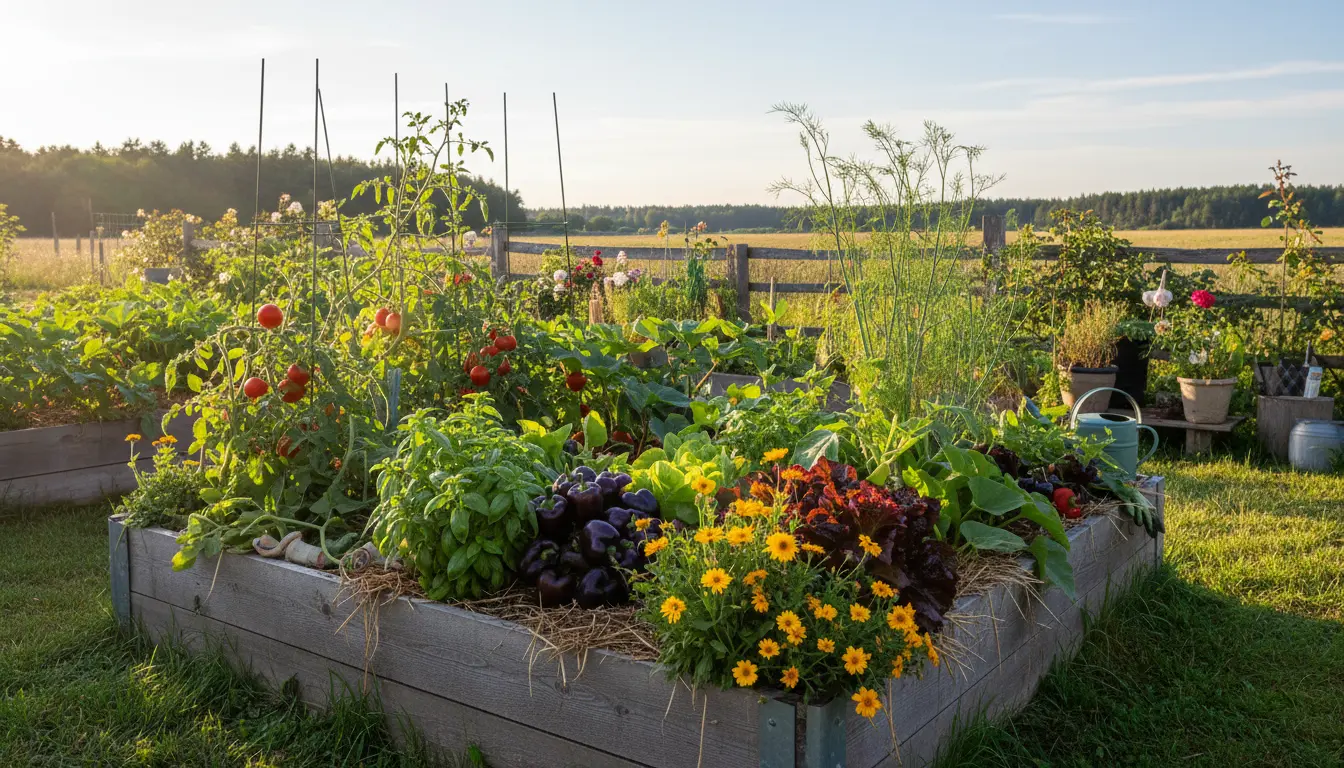
Starting a vegetable garden saves money, improves food quality, and gives a hands-on way to learn plant care. A small, well-planned garden can supply fresh produce through the season.
This guide explains practical steps to start a vegetable garden, from choosing a site to planting and harvesting.
Choose the right site to start a vegetable garden

Sunlight is the most important factor. Most vegetables need 6 to 8 hours of direct sun per day.
Look for a level spot with good drainage. Avoid low areas that collect water and places shaded by large trees.
Important site features
- Sun exposure: 6+ hours daily for most crops
- Drainage: soil should not stay waterlogged
- Access: near a water source makes watering easier
- Protection: a fence or barrier can keep out pests
Prepare soil before you start a vegetable garden
Good soil is the foundation of a healthy vegetable garden. Start by testing or observing the soil texture and fertility.
Amend heavy clay or sandy soils with organic matter to improve structure and water retention.
How to improve soil
- Add compost: spread 2–4 inches and work into the top 6–8 inches
- Use aged manure cautiously to add nutrients
- Consider a soil test to adjust pH and nutrient levels
Choose plants that match your climate and skill
Begin with easy vegetables that tolerate some mistakes. Consider growing tomatoes, lettuce, radishes, green beans, and herbs.
Select varieties labeled for your climate zone and sow dates to fit your local season.
Beginner-friendly vegetables
- Lettuce and other salad greens — fast and forgiving
- Radishes — mature in weeks and indicate garden readiness
- Green beans — reliable and space-efficient
- Cherry tomatoes — productive in containers or beds
Planting and spacing when you start a vegetable garden
Follow packet or label instructions for depth and spacing to avoid crowding. Crowded plants compete for light and nutrients.
Use raised beds or rows to organize plants and improve access for weeding and harvesting.
Example layout tips
- Compact beds: 4×8 foot beds allow easy reach from both sides
- Succession planting: sow lettuce every 2–3 weeks for a steady harvest
- Companion planting: place basil near tomatoes to maximize space
Watering and feeding your vegetable garden
Consistent moisture is crucial. Water deeply and less often to encourage strong roots rather than frequent shallow watering.
Mulch reduces evaporation and keeps soil temperatures steady. Organic mulches also break down and add nutrients over time.
Watering guidelines
- Water in the morning to reduce disease risk
- Check soil moisture with your finger: water when the top 1–2 inches are dry
- Drip irrigation or soaker hoses deliver water efficiently
Pest and disease basics for a new vegetable garden
Start with prevention: healthy soil and correct spacing reduce many problems. Monitor plants weekly for early signs of pests or disease.
Use physical barriers, hand-picking, or organic controls first. Reserve synthetic pesticides as a last resort.
Harvesting and preserving your first crops
Harvest vegetables at peak ripeness for best flavor and nutrition. Frequent harvesting often encourages more production.
Preserve surplus by freezing, canning, or sharing with neighbors to avoid waste and build local connections.
Common mistakes when you start a vegetable garden and how to avoid them
- Too much space at once: start small to learn and expand later
- Ignoring soil health: invest in compost and a soil test early
- Overwatering: encourages disease and weak roots
- Planting at the wrong time: check local frost dates and seed packet advice
Case study: Small raised bed success
Sarah, a city renter, started a single 4×8 foot raised bed. She planted lettuce, radishes, and cherry tomatoes in spring.
Using compost, drip irrigation, and weekly checks, she harvested fresh salad greens for two people through the summer. Her tomato plants produced continuously after regular pruning.
Key wins: consistent watering, compact plant choices, and weekly maintenance led to reliable yields from a small space.
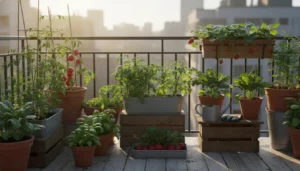
Many vegetables can be grown in containers. You can start a productive vegetable garden on a balcony using 5–10 gallon pots and good potting mix.
Quick checklist to start a vegetable garden
- Choose a sunny site near water
- Test and amend soil with compost
- Select beginner-friendly vegetables suited to your climate
- Plant with proper spacing and mulch to retain moisture
- Monitor for pests and harvest regularly
Final tips for new gardeners
Be patient and keep notes. Record planting dates, varieties, and results to improve each season.
Start small, focus on soil and sunlight, and enjoy the learning process. With simple care, you can grow fresh vegetables even in limited space.