
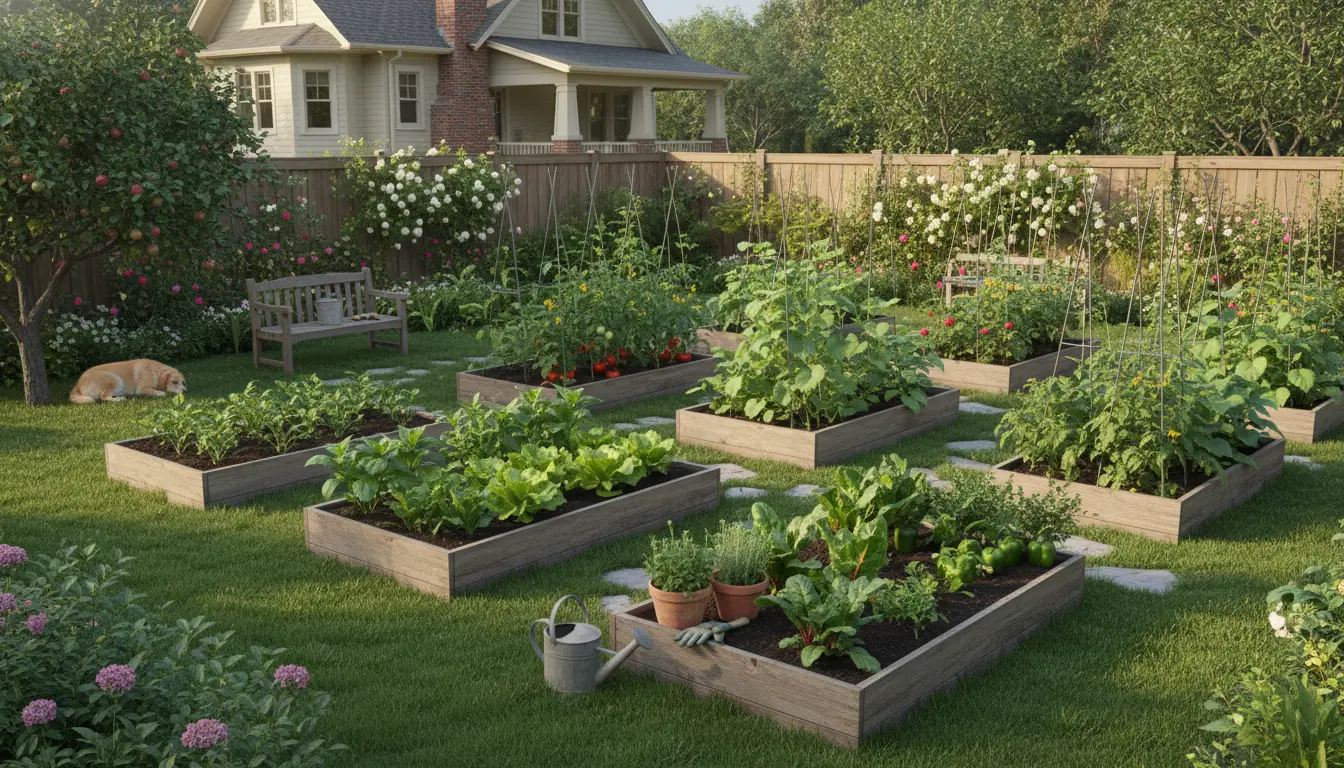
Overview: Why Start a Vegetable Garden
Starting a vegetable garden gives you fresh food, exercise, and control over what you eat. It is a cost-effective way to improve nutrition and reduce waste.
This guide explains how to start a vegetable garden in a small backyard or raised bed using simple methods any beginner can follow.
How to Start a Vegetable Garden: Step-by-Step
Follow these core steps to set up a productive garden. Each step is practical and requires minimal specialized tools.
1. Choose the Right Location
Pick a spot that gets at least 6 hours of sun daily. Most vegetables need full sun to produce well.
Also check for good drainage and easy access to a water source. Avoid low spots where water pools after rain.
2. Decide on Garden Type
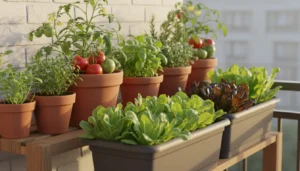
You can plant directly in the ground, use raised beds, or containers. Choose based on space, soil quality, and mobility needs.
- In-ground: Best if soil is deep and fertile.
- Raised beds: Easier to control soil and drainage.
- Containers: Suitable for patios and balconies.
3. Test and Improve Soil
Good soil is the foundation of a successful vegetable garden. Test soil pH with a simple kit or send a sample to a local extension office.
Most vegetables prefer a slightly acidic to neutral pH (6.0–7.0). Add compost to improve texture and nutrients.
Planting and Crop Choices for Beginners

Select vegetables that are easy to grow and match your climate. Start with a few types to avoid overwhelming yourself.
Easy Vegetables to Start With
- Tomatoes (determinate types for small spaces)
- Lettuce and salad greens
- Radishes (fast and forgiving)
- Beans (pole or bush varieties)
- Zucchini and summer squash
Timing and Seed vs. Starter Plants
Use local planting calendars to know frost dates. Some crops, like lettuce and radishes, can be direct-seeded. Others, like tomatoes, often perform better from transplants.
Start with a mix of quick growers and reliable transplants to build confidence and steady harvests.
Watering, Feeding, and Care
Proper watering and simple maintenance increase yields and reduce pests. Keep tasks consistent and manageable.
Watering Tips
- Water deeply and less often to promote strong roots.
- Morning watering reduces disease risk.
- Use drip irrigation or soaker hoses to save water and limit wet foliage.
Feeding and Mulching
Apply compost or a balanced organic fertilizer at planting and midseason for heavy feeders like tomatoes.
Mulch with straw, wood chips, or leaf mold to retain moisture, suppress weeds, and regulate soil temperature.
Common Problems and Simple Solutions
Pests and diseases are normal. Spot solutions early to prevent major losses.
Integrated Pest Practices
- Handpick large pests like caterpillars and beetles.
- Use row covers to protect young plants from insects and birds.
- Encourage beneficial insects by growing flowering herbs and native plants.
Disease Prevention
Space plants properly for air flow and rotate crops each year to reduce soil-borne disease. Remove and compost diseased material off-site.
Harvesting and Seasonal Care
Harvest frequently to encourage continued production. Learn the signs of ripeness for each crop.
At the end of the season, remove spent plants, add compost, and cover beds with mulch or a cover crop if you plan to rest the soil.
Preservation Options
- Freeze surplus vegetables like green beans and blanched tomatoes.
- Can or ferment excess produce to extend shelf life.
- Share or trade with neighbors to avoid waste.
Small Case Study: Sarah’s Small City Garden
Sarah had a 10-by-6-foot backyard and limited sunlight. She chose a raised bed and planted lettuce, radishes, tomatoes, and bush beans.
By adding compost and using drip irrigation, she harvested fresh salads and tomatoes all summer. Her investment was two raised beds and basic tools, paid back in food value within one season.
Some crops like radishes and lettuce can be harvested in as little as 25 to 30 days, making them ideal for quick success and learning in a new garden.
Quick Checklist to Start a Vegetable Garden
- Choose a sunny location and decide bed type.
- Test soil and add compost.
- Select easy crops for your climate.
- Plant at the right time (follow local frost dates).
- Water deeply, mulch, and feed as needed.
- Monitor pests and rotate crops seasonally.
Final Tips for New Gardeners
Start small and scale up. A few productive beds or containers are better than a neglected large plot.
Keep a simple garden journal to note planting dates, successes, and failures. This will improve results year to year.
With basic planning, regular care, and a few adaptable crops, anyone can start a vegetable garden and enjoy fresh homegrown produce.