
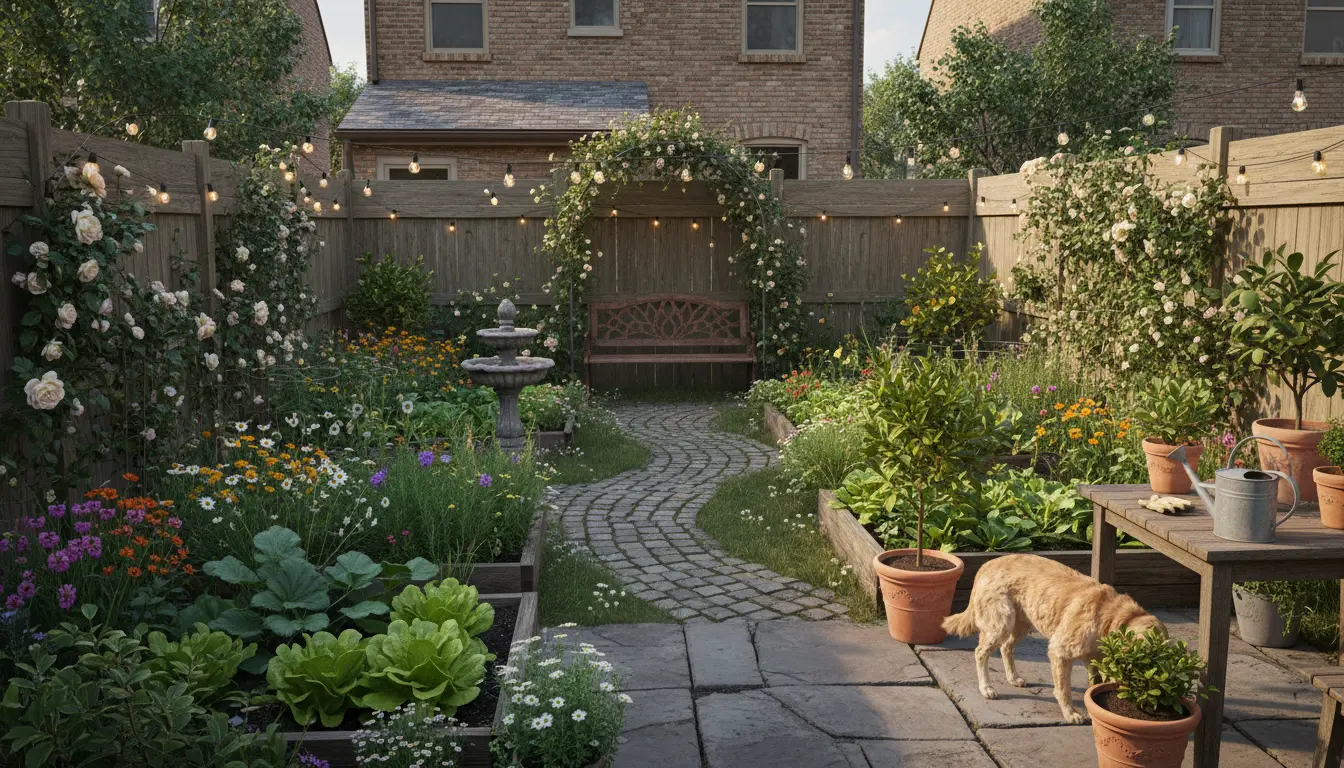
Why start a vegetable garden at home
Growing vegetables at home saves money, improves flavor, and gives you fresh produce on demand. It also reduces food miles and helps you control inputs like water and fertilizer.
This guide shows practical steps to start a small vegetable garden, whether you have patio containers or a tiny backyard bed.
Plan your small vegetable garden
Start by assessing space, light, and time. Most vegetables need 6–8 hours of direct sun, so map sunny spots for beds or containers.
Decide which vegetables you want based on taste, effort, and harvest window. For first-timers, choose easy crops like lettuce, radishes, tomatoes, and beans.
Key planning checklist
- Measure available space (square feet or container count).
- Record daily sun hours in likely spots.
- Choose 4–6 crops to start, mixing quick and long-season plants.
- Set a realistic weekly time for watering and basic care.
Choose containers or beds
Small gardens work well in raised beds, containers, or repurposed troughs. Containers are flexible and reduce weed pressure.
Use containers at least 12 inches deep for most vegetables. Ensure drainage holes and saucers to protect surfaces.
Container tips
- Use quality potting mix, not plain garden soil.
- Group pots by water needs to simplify irrigation.
- Consider vertical supports for vining crops like beans or peas.
Prepare soil and fertilizer
Soil health drives productivity. For beds, loosen soil to 8–12 inches and add compost at a 2–3 inch layer. For containers, use a commercial potting mix with slow-release fertilizer.
Test soil pH if possible; most vegetables prefer pH 6.0–7.0. Amend heavy clay with organic matter and sand for better drainage.
Planting: seeds vs. seedlings
Plant seeds for crops like beans, carrots, and radishes. Start seedlings for tomatoes, peppers, and brassicas to shorten the season.
Follow spacing and depth instructions on seed packets. Crowding reduces airflow and increases disease risk.
Simple planting schedule
- Early spring: peas, radishes, lettuce, spinach.
- After last frost: tomatoes, peppers, beans, squash.
- Late summer: fall broccoli, kale, and root crops for autumn harvest.
Watering and daily care
Consistent watering produces steady growth. Most veggies need about 1 inch of water per week, more in hot weather.
Water at the soil level early in the morning to reduce evaporation and disease. Mulch with straw or shredded leaves to retain moisture and suppress weeds.
Pest and disease management
Start with prevention: keep plants healthy, rotate crops annually, and remove diseased leaves promptly. Attract beneficial insects by planting flowers like marigolds or calendula nearby.
For small outbreaks, use hand-picking, barriers (row cover), or organic controls like insecticidal soap. Save chemical options as a last resort.
Harvesting and succession planting
Harvest regularly to encourage production. Many crops, like lettuce and beans, yield more if you pick continuously rather than waiting for a full maturity.
Plan succession plantings every 2–4 weeks for crops like lettuce and radishes to extend harvest through the season.
Start a vegetable garden on a budget
You don’t need expensive supplies. Reuse containers, start seeds indoors from saved packets, and build beds from reclaimed wood.
Compost kitchen scraps for free soil amendment. A small investment in quality soil will pay off in healthier plants and larger yields.
Growing herbs like basil near tomatoes can improve tomato flavor and attract pollinators. Companion planting can boost yields without extra chemicals.
Simple case study: A 10×4 foot raised bed
Maria converted a 10×4 foot corner of her backyard into a raised bed. She filled it with a 50/50 mix of compost and topsoil, then planted a combination of tomatoes, bush beans, lettuce, and carrots.
By grouping thirsty plants together, mulching, and watering twice weekly, she harvested fresh salad greens for months and three rounds of beans. Her initial investment in soil and compost paid back in a single season of produce.
Troubleshooting common problems
Yellow leaves often mean nutrient deficiency or overwatering. Wilting in midday heat may be normal if plants revive in evening, but persistent droop indicates water stress.
Slow growth can mean compacted soil or poor light. Adjust by adding organic matter or moving containers to brighter spots.
Final checklist to start a vegetable garden
- Pick 4–6 easy crops for your climate.
- Choose containers or a small bed and ensure 6+ hours of sun.
- Prepare soil with compost and correct pH.
- Plant seeds or seedlings at proper spacing and depth.
- Water consistently, mulch, and monitor pests.
Starting a small vegetable garden is manageable with a clear plan and basic care routines. Begin small, learn each season, and expand as you gain confidence.