
Starting a small vegetable garden is a practical way to grow fresh produce, save money, and enjoy outdoor activity. This guide walks through clear, actionable steps to plan, plant, and maintain a productive small vegetable garden.
Why start a small vegetable garden
A small vegetable garden fits patios, balconies, and tiny backyards. It reduces grocery trips and gives you better-tasting, nutrient-rich food.
Beyond food, gardening supports mental health, physical activity, and a connection to seasons and soil.
Planning your small vegetable garden
Good planning avoids wasted effort. Start by choosing the right location, determining garden size, and selecting a layout that suits your space.
Site selection for a small vegetable garden
Most vegetables need at least six hours of direct sun. Observe sunlight patterns for a week to confirm exposure.
Choose a level area with good drainage and easy access to water. If sunlight is limited, prioritize leafy greens and herbs that tolerate partial shade.
Garden size and layout
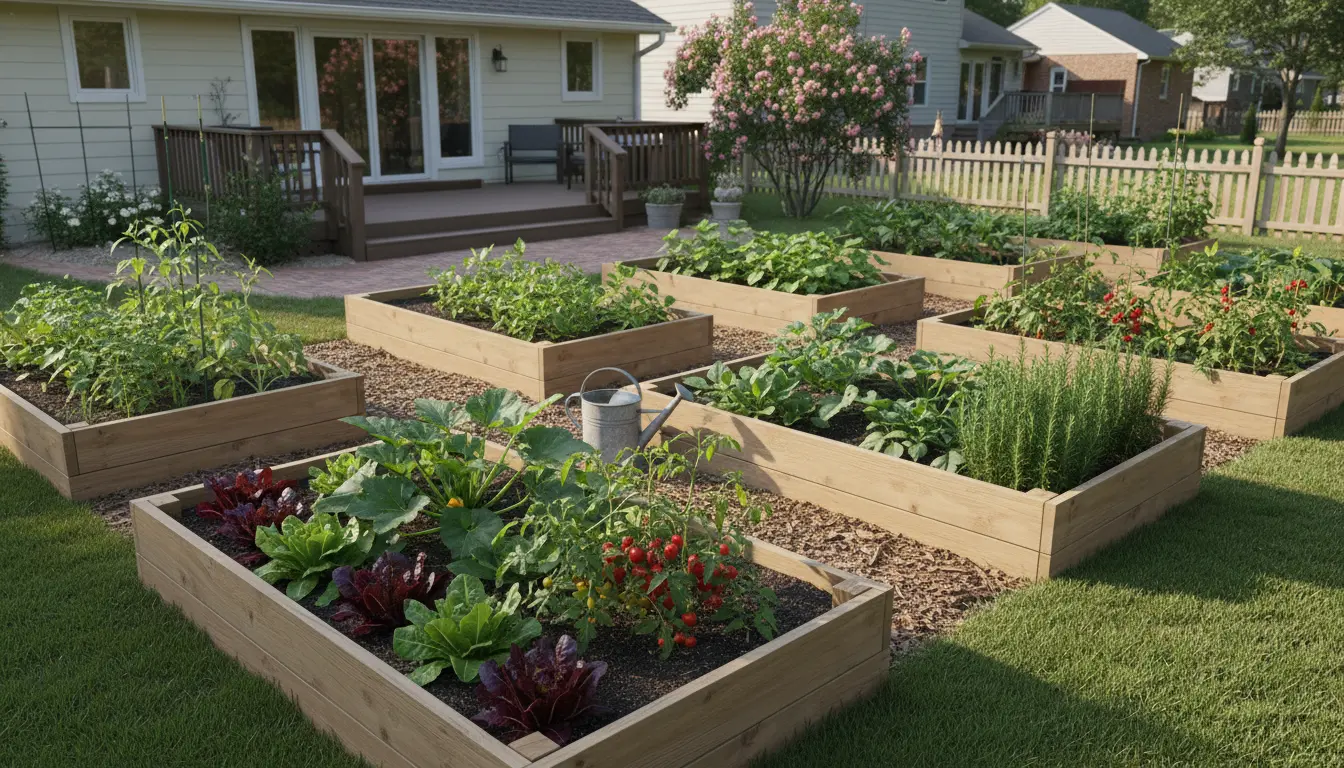
A productive small garden can fit in one or two 4×8-foot raised beds or several containers. Raised beds improve drainage and soil warmth.
Keep paths narrow to maximize growing space but wide enough for comfortable access (18–24 inches).
Preparing soil for a small vegetable garden
Soil quality is the single most important factor. Test or evaluate the soil before planting to reduce problems later.
Improving soil in a small vegetable garden
Most small gardens do well with a mix of native soil, compost, and a loose amendment like coconut coir or peat-free compost.
- Topsoil or raised-bed mix: provides structure.
- Compost: supplies nutrients and beneficial microbes.
- Bone meal or blood meal: optional slow-release nutrients.
Work compost into the top 6–8 inches of soil. For containers, use high-quality potting mix rather than garden soil.
What to plant in a small vegetable garden
Choose vegetables that match your climate, season, and kitchen needs. Prioritize high-yield, space-efficient crops.
Best crops for a small vegetable garden
- Leafy greens: lettuce, spinach, Swiss chard — quick and space-efficient.
- Herbs: basil, parsley, cilantro — great for containers and frequent harvests.
- Cherry tomatoes: high yield per plant when staked or caged.
- Peppers: compact varieties thrive in containers or small beds.
- Bush beans and dwarf peas: provide large harvests in small footprints.
Use vertical supports for cucumbers and indeterminate tomatoes to save horizontal space.
Planting and maintenance in a small vegetable garden
Regular care keeps productivity high. Key tasks are watering, fertilizing, pruning, and pest management.
Watering and feeding
Water deeply and less frequently to encourage strong roots. Aim for consistent moisture, especially for seedlings and fruiting crops.
Apply a balanced organic fertilizer at planting and follow with light feedings every 3–4 weeks during the season.
Pest and disease control
Start with prevention: rotate crops, remove debris, and choose disease-resistant varieties.
- Handpick pests like caterpillars and slugs.
- Use row covers early in the season to protect young plants.
- Introduce beneficial insects like ladybugs for aphid control.
Harvesting and storing from a small vegetable garden
Harvest frequently to encourage continued production. Pick leafy greens young for best flavor and harvest tomatoes when fully colored.
Store produce promptly: cool leafy greens, refrigerate herbs in a jar with water, and use or preserve excess tomatoes and peppers.
Container gardens can produce as much as raised beds if you use high-quality potting mix and concentrate on high-yield crops like herbs, lettuce, and compact tomatoes.
Small case study: A 4×8 raised bed that feeds a family
Maria, an apartment owner with a small balcony, built a 4×8 raised bed on her patio. She filled it with compost-rich mix and planted cherry tomatoes, basil, spinach, and dwarf beans.
After the first season she reported weekly salads, multiple jars of tomato sauce, and fresh herbs nearly year-round using succession planting. The compact design allowed easy maintenance and high yields from a small footprint.
Troubleshooting common problems in a small vegetable garden
If plants show yellow leaves, check for nutrient deficiencies and overwatering. Stunted growth often signals poor soil or root-bound containers.
Slow emergence usually points to poor seed-to-soil contact or cold soil; use row covers or start seeds indoors to avoid this.
Practical checklist for starting a small vegetable garden
- Pick a sunny site with easy water access.
- Decide on beds or containers and measure available space.
- Amend soil with compost and choose a quality potting mix for containers.
- Select 4–6 crops suited to your space and season.
- Plant in succession and use vertical supports to save space.
- Water consistently and feed every few weeks with organic fertilizer.
- Monitor pests and remove problems early.
Starting a small vegetable garden is achievable with modest time and a little planning. Focus on soil, sunlight, and regular, simple care to get the best returns from limited space.