
Plan Your Small Vegetable Garden
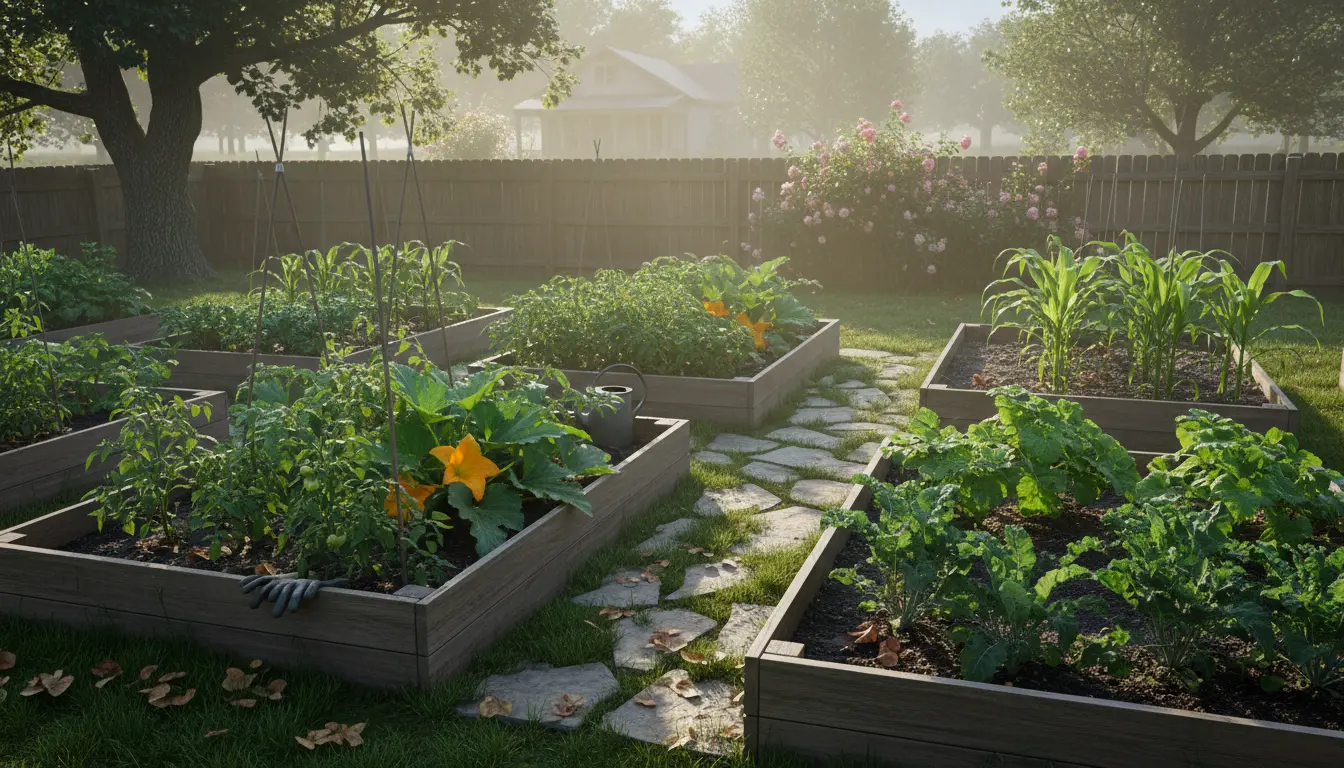
Starting a small vegetable garden begins with planning. Choose a sunny spot, decide which vegetables you want, and measure how much space you have.
Many common vegetables need six or more hours of direct sun. If sunlight is limited, select leafy greens and herbs that tolerate partial shade.
Choose the Right Location for a Small Vegetable Garden
Look for a flat area with good drainage and easy access to water. Avoid low spots that collect cold air or prolonged water.
Consider proximity to your kitchen to make harvesting and maintenance convenient.
Decide Garden Type and Layout
Small gardens work well with containers, raised beds, or compact in-ground plots. Each option has pros and cons depending on soil quality and budget.
Raised beds warm faster in spring and give better drainage, while containers are flexible for patios or balconies.
Layout Ideas for a Small Vegetable Garden
- Single raised bed 4×8 feet for mixed vegetables.
- Three to five containers for herbs and salad greens.
- Vertical trellis for vining crops like beans and cucumbers to save ground space.
Prepare Soil and Improve Fertility
Soil quality matters more than garden size. Test the soil pH and texture so you can amend it correctly.
Good garden soil is crumbly, drains well, and contains organic matter. Add compost and, if needed, balanced organic fertilizer.
Soil Preparation Steps for a Small Vegetable Garden
- Remove weeds and debris from the chosen area.
- Loosen the top 8-12 inches of soil with a fork or tiller.
- Work in 2-4 inches of compost and mix evenly.
- Level the bed and water to settle the soil before planting.
Select Plants and Timing
Choose vegetables suited to your climate and season. For small gardens, pick high-value, space-efficient crops.
Examples include tomatoes, peppers, lettuce, radishes, bush beans, and herbs.
Planting Tips for a Small Vegetable Garden
- Stagger plantings of fast crops like lettuce to extend harvest.
- Use compact or bush varieties labeled for containers or small spaces.
- Follow seed packet or plant tag spacing to avoid overcrowding.
Watering and Mulching Practices
Consistent watering is critical for vegetable productivity. Shallow, frequent watering stresses plants; deep, infrequent watering encourages strong roots.
Mulch conserves moisture, suppresses weeds, and moderates soil temperature. Apply 2-3 inches of organic mulch after soil has warmed.
Watering Schedule for a Small Vegetable Garden
- Young seedlings: keep soil consistently moist until established.
- Established plants: water deeply 1-2 times per week depending on weather.
- Use soaker hoses or drip irrigation to deliver water directly to roots.
Manage Pests and Diseases
Small gardens can be productive with low chemical use if you follow basic integrated pest management (IPM) steps. Monitor plants and identify problems early.
Encourage beneficial insects, use row covers for protection, and remove diseased foliage promptly.
Simple Pest Control Methods
- Hand-pick larger pests like caterpillars and beetles.
- Introduce or attract predators such as ladybugs and lacewings.
- Use organic treatments like insecticidal soap when necessary.
Harvesting and Rotation
Harvest regularly to encourage more production. Pick leafy greens when young for best flavor and harvest tomatoes when fully colored.
Practice crop rotation year to year to avoid soil-borne diseases and nutrient depletion even in small plots.
Crop Rotation Tips for Small Vegetable Gardens
- Move families of plants to different beds each season (e.g., tomatoes with beans, then root crops, then brassicas).
- Use containers to rotate crops if limited by space.
Planting marigolds near tomatoes can reduce nematode damage in some soils. Companion plants can improve pest control and pollination naturally.
Small Real-World Case Study
Case: A 10×6 foot backyard bed in Portland produced continuous salads and tomatoes for a family of three. The gardener used raised beds, compost, and drip irrigation.
By choosing compact tomato varieties, staggering lettuce plantings, and trellising cucumbers, the garden yielded fresh produce from late spring to first frost with minimal maintenance.
Quick Checklist to Start a Small Vegetable Garden
- Select sunny location and measure available space.
- Choose garden type: raised bed, containers, or in-ground.
- Prepare soil: remove weeds, add compost, test pH if possible.
- Pick vegetables suited to your season and space.
- Set up watering: soaker hose, drip, or regular hand-watering.
- Mulch, monitor pests, and harvest regularly.
Final Tips for a Successful Small Vegetable Garden
Start small and expand as you gain confidence. Keep a simple journal of planting dates and yields to learn what works in your microclimate.
Enjoy the process: small gardens can supply fresh food, reduce grocery costs, and provide satisfying outdoor work.