
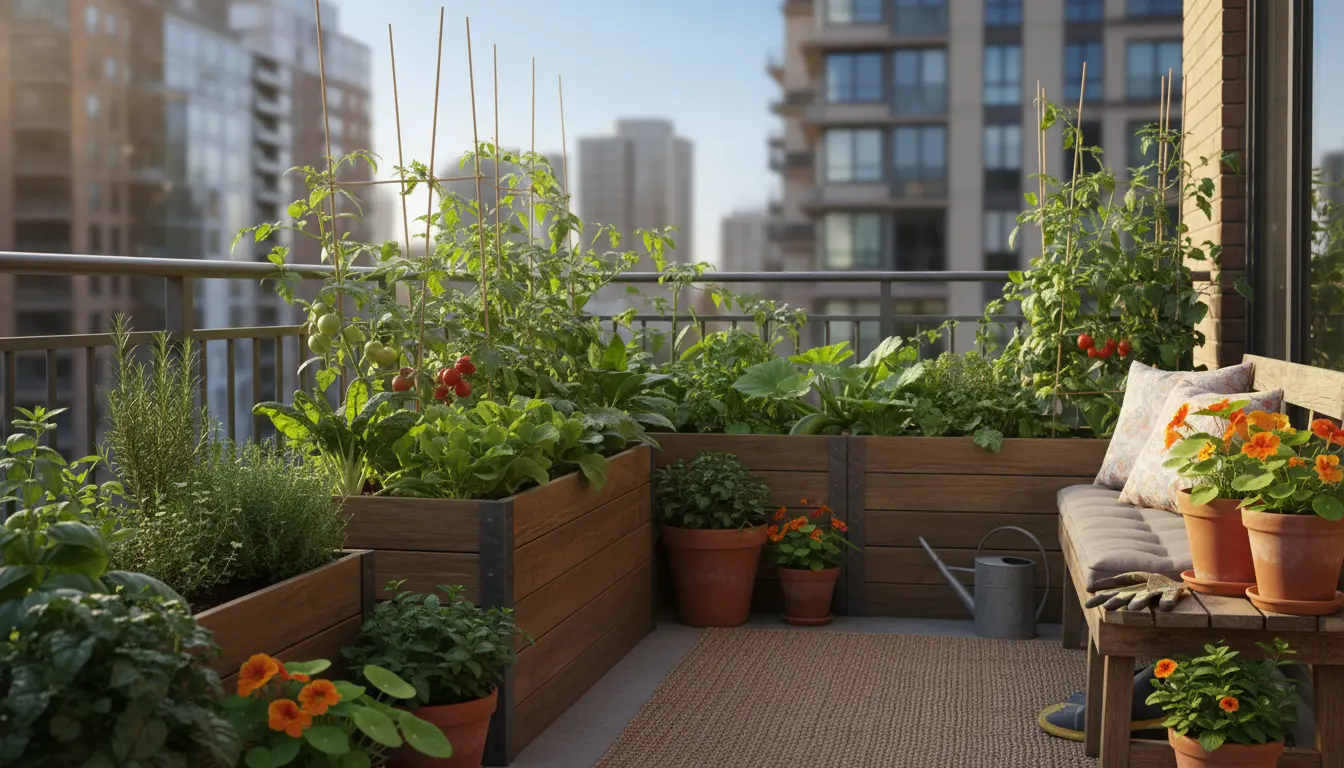
Why a Small Vegetable Garden Works
Starting a small vegetable garden gives quick results and fits limited space. It reduces grocery costs and improves fresh food access.
Small gardens are easier to manage and less time consuming than large plots. They are ideal for balconies, patios, and small yards.
Planning Your Small Vegetable Garden

Good planning saves mistakes. Decide goals, space, and what vegetables you actually eat.
Choose a Site for Your Small Vegetable Garden
Most vegetables need 6–8 hours of direct sunlight. Pick the sunniest spot you have for your small vegetable garden.
Consider access to water, wind protection, and convenience for daily care. Containers or raised beds are great for poor soil.
Select Containers or Beds
Options for a small vegetable garden include containers, raised beds, and in-ground rows. Containers are portable and low-maintenance.
- Containers: use 5–10 gallon pots for tomatoes and larger plants.
- Raised beds: ideal for multiple crops and deeper roots.
- In-ground: best if soil is healthy and well-draining.
Soil and Compost for a Small Vegetable Garden
Soil quality is the most important factor in a small vegetable garden. Aim for a loose, fertile, well-draining mix.
Create a mix of topsoil, compost, and a small amount of sand or perlite for drainage. Add slow-release organic fertilizer if needed.
How to Test and Improve Soil
Do a simple jar test to check drainage: soil should settle within a day and not remain waterlogged. Or buy a basic soil test kit.
To improve soil, add compost, aged manure, and organic matter. This boosts nutrients and water retention for your small vegetable garden.
Choosing Vegetables for a Small Vegetable Garden
Select vegetables that provide the most yield in a small area and suit your climate. Prioritize fast-growing and high-value crops.
- Fast growers: lettuce, radishes, spinach
- High yield: tomatoes, peppers, bush beans
- Space-savers: trellised cucumbers, vertical peas
Planting Tips
Follow seed packet spacing and depth. For small spaces, use succession planting to harvest continuously.
Interplant herbs or quick greens between slower-growing crops to maximize space in a small vegetable garden.
Watering and Feeding Your Small Vegetable Garden
Consistent moisture is key to steady growth. Water deeply and less frequently to encourage strong roots.
Mulch around plants to retain moisture and suppress weeds in a small vegetable garden. Use organic mulches like straw or shredded bark.
Fertilizing Schedule
Feed vegetables with a balanced organic fertilizer at planting and again mid-season. Leafy greens benefit from extra nitrogen.
Avoid over-fertilizing fruiting crops; excess nitrogen can reduce flowers and fruit set.
Pest and Disease Management in a Small Vegetable Garden
Watch for common pests like aphids, slugs, and caterpillars. Early detection keeps problems small and manageable.
- Handpick larger pests or use beer traps for slugs.
- Introduce beneficial insects like ladybugs for aphid control.
- Rotate crops and remove diseased plants to limit disease spread.
Organic Control Methods
Use insecticidal soaps, neem oil, or diatomaceous earth for targeted organic control. Read labels and apply carefully.
Companion planting can reduce pest pressure by attracting beneficial insects or masking crops.
Container-grown tomatoes can produce nearly as much fruit per plant as ground-grown ones when given 5 gallons of soil and regular feeding.
Harvesting and Ongoing Care for a Small Vegetable Garden
Harvest regularly to encourage production. Pick leafy greens when young and ripen fruits at peak flavor.
Keep a simple maintenance routine: water, inspect for pests, and remove spent plants to prepare for the next round.
Season Extension Tips
Use row covers, cloches, or a small cold frame to extend growing seasons in a small vegetable garden. This adds weeks of production.
Small Real-World Case Study
Case: Anna’s Balcony Garden. Anna had a 6-foot balcony and wanted fresh herbs and salad greens.
She used three 10-inch deep containers and a small trellis. In her first season she grew basil, cherry tomatoes, leaf lettuce, and a vertical cucumber.
By rotating crops and using compost, Anna harvested weekly salads and two dozen cherry tomato clusters. Her secret was sunlight monitoring and regular watering with a simple drip bottle.
Quick Checklist to Start a Small Vegetable Garden
- Pick the sunniest site and consider containers or raised beds.
- Use quality soil and add compost before planting.
- Choose 4–6 easy crops suited to your space and diet.
- Water deeply, mulch, and feed mid-season.
- Inspect weekly and act quickly on pests or disease.
Final Tips for Small Vegetable Garden Success
Start small and expand after one season. Learning from mistakes is part of the process.
Keep records of planting dates and yields to improve next season. Small, consistent steps lead to a productive garden.