
How to Start a Small Vegetable Garden: First Steps
Starting a small vegetable garden is practical and rewarding. This guide covers the basics so you can plan and plant with confidence.
Pick a location for your small vegetable garden
Choose a spot that gets at least six hours of sunlight daily. If full sun is not available, select plants that tolerate partial shade.
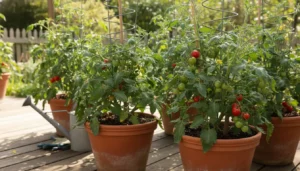
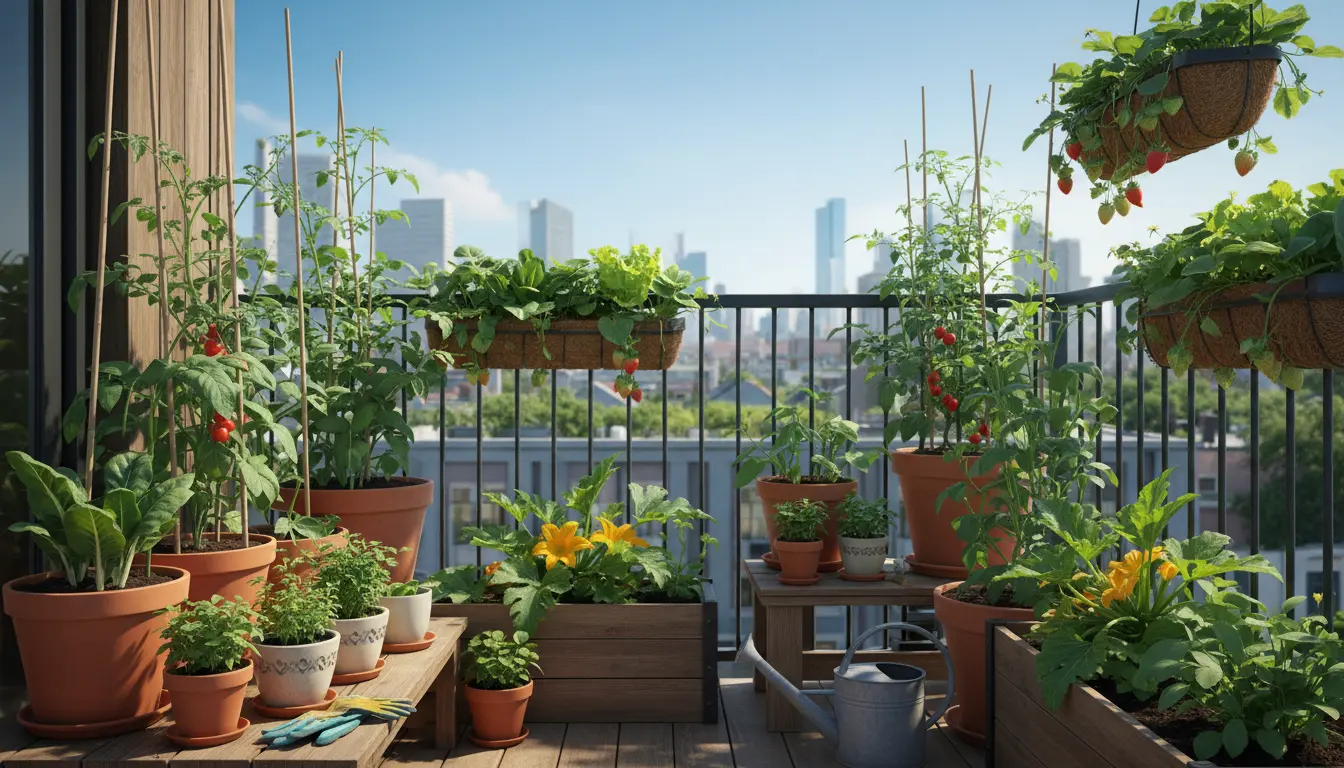
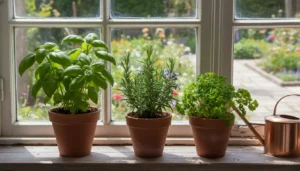
Consider access to water and how easily you can reach the bed for maintenance. For limited space, balconies, patios, or a sunny windowsill can work well.
Decide between ground beds and containers
Containers are ideal for tight spaces and give more control over soil. Raised beds offer better drainage and less bending while gardening.
- Containers: pots, grow bags, or repurposed wooden boxes.
- Raised beds: defined edges, filled with a light, fertile mix.
- In-ground: best where soil is healthy and drainage is good.
Soil and Fertility for a Small Vegetable Garden
Healthy soil produces healthy plants. Focus on a loose, well-draining mix rich in organic matter.
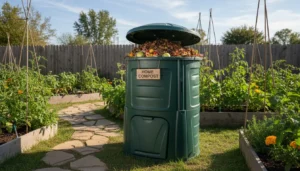
For containers, use a commercial potting mix blended for vegetables. For beds, mix compost into the top 6-8 inches of soil.
Simple soil test and amendments
Check soil texture and drainage by digging a small hole and filling it with water. If water drains within a few hours, drainage is acceptable.
Add compost, well-rotted manure, or a balanced organic fertilizer based on plant needs. A neutral pH suits most vegetables.
Choosing Plants for a Small Vegetable Garden
Select easy, space-efficient crops to maximize yield and reduce maintenance. Start with fast-growing or compact varieties.
- Leafy greens: lettuce, spinach, arugula.
- Herbs: basil, parsley, chives.
- Compact fruiting plants: cherry tomatoes, dwarf peppers, bush beans.
- Root crops: radishes, baby carrots, small beets.
Consider succession planting to keep the garden productive through the season. Plant quick crops between slower-growing ones.
Companion planting in small spaces
Use companion planting to improve pest control and pollination. Pair basil with tomatoes or marigolds near vegetables to deter pests.
Watering, Light, and Routine Care
Consistent watering is critical in small gardens, especially containers that dry out fast. Water deeply rather than frequently to encourage strong roots.
- Morning watering reduces evaporation and disease risk.
- Check soil moisture with your finger; water when the top inch is dry.
- Mulch around plants to retain moisture and suppress weeds.
Pest and disease basics
Inspect plants weekly for pests or early disease signs. Handpick larger pests and use soapy water sprays for soft-bodied insects.
Good airflow, proper spacing, and avoiding overhead watering reduce fungal problems.
Harvesting and Seasonal Tips
Harvest vegetables at the recommended size to keep plants productive. Regular harvesting encourages more fruit or leaves to form.
Save seeds only from open-pollinated varieties and label containers with planting dates to track progress.
Extending the season in small vegetable gardens
Use row covers, cloches, or small cold frames to protect against early frost and extend production into cooler months.
Case Study: A Small Balcony Vegetable Garden
Maria had a 4×6 foot balcony and no prior garden experience. She chose three large containers and a hanging planter to start.
Her choices: cherry tomatoes in a large pot, basil and parsley in medium containers, and lettuce in the hanging planter. She used store-bought potting mix and added compost once a month.
Within six weeks she harvested baby greens and later picked several cherry tomatoes. Regular watering each morning and monthly feeding kept plants healthy.
Quick Checklist to Start a Small Vegetable Garden
- Pick a sunny location with water access.
- Choose containers or build a raised bed.
- Use quality soil or potting mix and add compost.
- Select compact, fast-growing varieties for limited space.
- Set a watering routine and inspect plants weekly.
- Harvest regularly and rotate crops seasonally.
Final tips for success
Start small to build confidence and scale up as you learn. Keep a simple notebook to track planting dates and what worked or didn’t.
With modest time and consistent care you can enjoy fresh vegetables even in very small spaces.